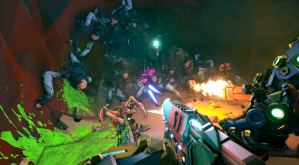
Sony's MIA Live-Service Game Delivers Predictable Extraction Gameplay
New details have surfaced regarding Sony's MIA live-service game, Fairgame$, confirming that its upcoming multiplayer experience is heading in exactly the direction industry observers would anticipate. Originally announced in 2023 as a "competitive heist experience," reports from Insider Gaming now reveal specifics on a core mode called Cargo Heist. This mode appears to lean heavily into extraction mechanics, a staple genre for modern live-service titles seeking to retain player engagement through high-stakes loops.
The gameplay structure is divided into three distinct phases designed to test coordination and risk management. First is the Break In phase, where players must hunt for vault codes while collecting cash to upgrade their characters' skillsets. Following this preparation, the Drill phase sees teams breach the vault interior to fight for control of the valuable cargo. Finally, the Extract phase requires survivors to carry the stolen goods to a designated extraction site before time runs out or enemies intervene.
Why This Structure Feels Familiar to Gamers
While Fairgame$ may introduce other modes in the future, only the Cargo Heist loop has been detailed so far. However, the mechanics described have already sparked comparisons to Bungie's Marathon, a game known for its intense extraction-based gameplay. The similarities suggest that Sony is doubling down on proven formulas rather than risking unproven innovations.
Here is how the Cargo Heist mode reportedly functions:
- Phase 1 (Break In): Players search for vault codes and gather cash to enhance skills.
- Phase 2 (Drill): Teams infiltrate the vault and engage in combat to secure cargo.
- Phase 3 (Extract): Survivors must transport the cargo to a safe extraction point.
The Business Model Behind the Heist
Although specific pricing details remain under wraps, reports indicate that Fairgame$ will adhere to a standard live-service business model. This approach typically relies on microtransactions for cosmetic items and battle passes, ensuring a continuous revenue stream while players grind through heists. Given Sony's history with multiplayer titles like Helldivers 2 and their extensive catalog of live-service experiments, this direction aligns perfectly with corporate expectations.
The predictable nature of the gameplay loop raises questions about whether Fairgame$ can differentiate itself in a crowded market. With Sony's MIA live-service game leaning so heavily on extraction mechanics, players may find themselves in familiar territory unless future updates introduce unique twists to the formula. For now, the focus remains on perfecting the heist cycle that has become synonymous with modern multiplayer success stories.