Lines of code materialize in a terminal window, predicted with uncanny accuracy by an interface that feels less like a tool and more like a collaborator. This seamless interaction between developer intent and machine execution defines the current frontier of software engineering.
However, a massive shift in infrastructure is on the horizon as SpaceX is working with Cursor to redefine the industry. The company has officially entered the generative AI arena, striking a landmark deal with the prominent AI-integrated code editor to develop a next-generation platform for coding and knowledge work.
The $60 Billion Contingency for SpaceX and Cursor
The partnership extends far beyond simple integration; it includes a staggering financial provision that could reshape the venture capital landscape later this year. SpaceX is working with Cursor under a deal that includes an option to acquire the startup for $60 billion, a figure that dwarfs almost any recent acquisition in the software space.
Should the company choose not to pursue a full takeover, the agreement remains robust. SpaceX remains committed to paying $10 billion for specific development milestones related to their shared AI objectives.
Scaling AI via the Colossus Supercomputer
At the heart of this technological marriage is SpaceX’s massive-scale hardware. The company intends to leverage its Colossus supercomputer, a facility that reportedly possesses the equivalent computing power of one million Nvidia H100 chips.
By pairing Cursor's sophisticated software distribution and developer user base with this unprecedented level of raw compute, SpaceX is attempting to leapfrog current limitations in model training speed and scale.
The Convergence of Talent and Infrastructure
This move is the logical progression of a growing ecosystem centered around Elon Musk’s interconnected tech interests. The lines between xAI, SpaceX, and Cursor have already begun to blur through strategic resource shifts:
- Compute Sharing: Recent reports indicate that xAI has begun renting significant portions of its data center capacity to Cursor to facilitate new model training.
- Talent Migration: High-level engineering leadership, including Andrew Milich and Jason Ginsberg, recently transitioned from Cursor to join xAI, reporting directly to Musk.
- Infrastructure Synergy: The integration of SpaceX’s heavy-duty hardware with Cursor's front-end developer experience creates a vertically integrated stack that is difficult for smaller startups to replicate.
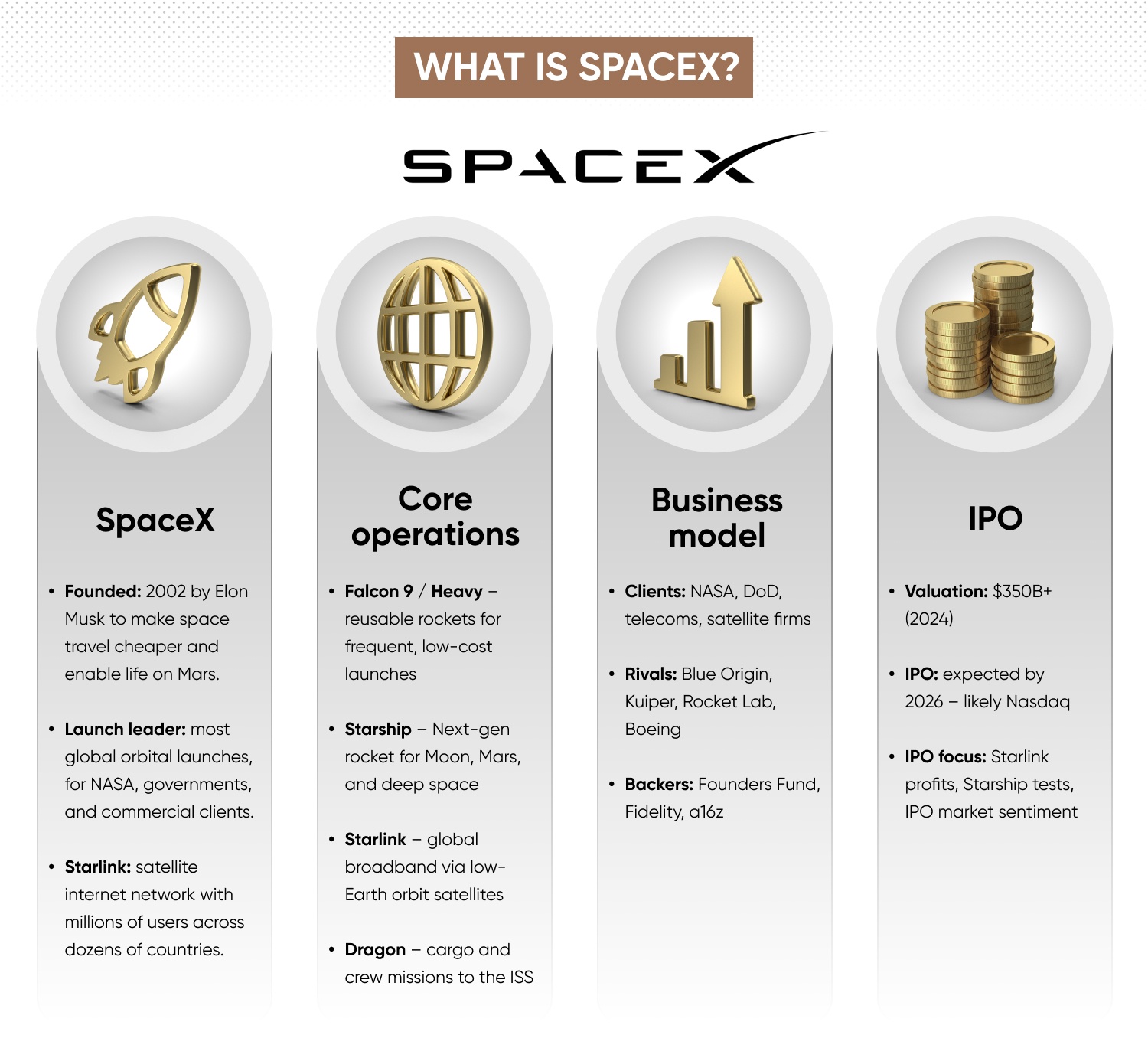
The strategic importance of this alignment becomes even clearer when viewed through the lens of SpaceX’s anticipated public offering. For investors, the potential acquisition offers a way to see tangible value extracted from the massive capital expenditures required by SpaceX's space and infrastructure projects.
Cursor's Meteoric Valuation Timeline
The financial trajectory of Cursor has been nothing short of incredible, reflecting the intense hunger for dominant AI developer tools. To understand the scale of the $60 billion option, one must look at the company's recent funding history:
- January 2025: Valued at $2.5 billion.
- May 2025: Valuation climbed to $9 billion.
- November 2025: Reached a post-money valuation of $29.3 billion following a $2.3 billion Series D round.
The Challenge of Third-Party Model Dependency
Despite this incredible growth, significant hurdles remain for the partnership. Currently, Cursor relies on third-party models from Anthropic and OpenAI to power its core features.
This creates an architectural dependency that could prove fatal in a long-term arms race. To truly justify a $60 billion price tag, the SpaceX-Cursor alliance must move beyond being a sophisticated interface for existing LLMs. Instead, they must produce proprietary models capable of competing with the industry leaders.
The success of this venture will ultimately depend on whether the sheer brute force of the Colossus supercomputer can overcome the software gap. If SpaceX can successfully transition Cursor from an aggregator of external intelligence to a self-sustaining, model-agnostic powerhouse, they may have just engineered the most significant vertical integration in the history of modern computing.