The Stark Divide Between AI Insiders and Public Perception
The Stanford report highlights growing disconnect between AI insiders and everyone else, revealing a fractured landscape where technological optimism clashes with public anxiety. While industry architects obsess over the theoretical horizon of Artificial General Intelligence (AGI), the general public is increasingly worried about concrete realities like their next paycheck and rising utility bills. This growing disconnect is no longer just anecdotal; it is a quantified crisis of trust that threatens to overshadow the promise of AI innovation.
The Expert-Reality Chasm Widens
The Stanford University annual report on the AI industry, released this past Monday, captures a psychological and ideological rift that was previously dismissed as noise. On one side sit the AI insiders, a group where 56% express optimism that AI will positively impact the U.S. economy over the next 20 years. These leaders often operate in a bubble of technological determinism, focusing on managing existential risks like AGI rather than immediate socioeconomic displacement.
Conversely, the general public—particularly younger demographics—is experiencing a collective awakening to AI's disruptive potential. According to data cited in the report:
- Nearly two-thirds of Americans believe AI will lead to fewer jobs over the next two decades.
- This contrasts sharply with the 73% of experts who see AI as a net positive for employment.
- The sentiment among Gen Z has turned sour, with young people growing more angry despite nearly half using AI tools daily or weekly.
This disconnect is not merely about technology; it is a crisis where stakes feel personal rather than philosophical. While 84% of experts are confident in positive outcomes for medical care, only 44% of the public shares this optimism. The narrative has shifted from "what can this do?" to "who does this hurt?", creating a scenario where technological progress feels like an adversarial force.
Tangible Fears vs. Abstract Horizons
The divergence in opinion is most evident when examining specific societal domains where AI is expected to take center stage. The report highlights several key areas where the gap between expert prediction and public expectation has become unbridgeable:
- Employment: While experts predict a positive impact on work dynamics, 64% of Americans foresee a reduction in job availability, fueling anxiety about wage stagnation.
- Healthcare: The promise of AI-driven diagnostics is met with skepticism by the public, who fear errors or lack of transparency in life-critical decisions.
- Economic Stability: Only 21% of the public agrees that AI will boost the economy, citing fears of wealth concentration and market volatility compared to 69% of experts.
- Energy Consumption: As data centers consume massive amounts of electricity, citizens are increasingly concerned about their personal power bills rising to meet this demand.
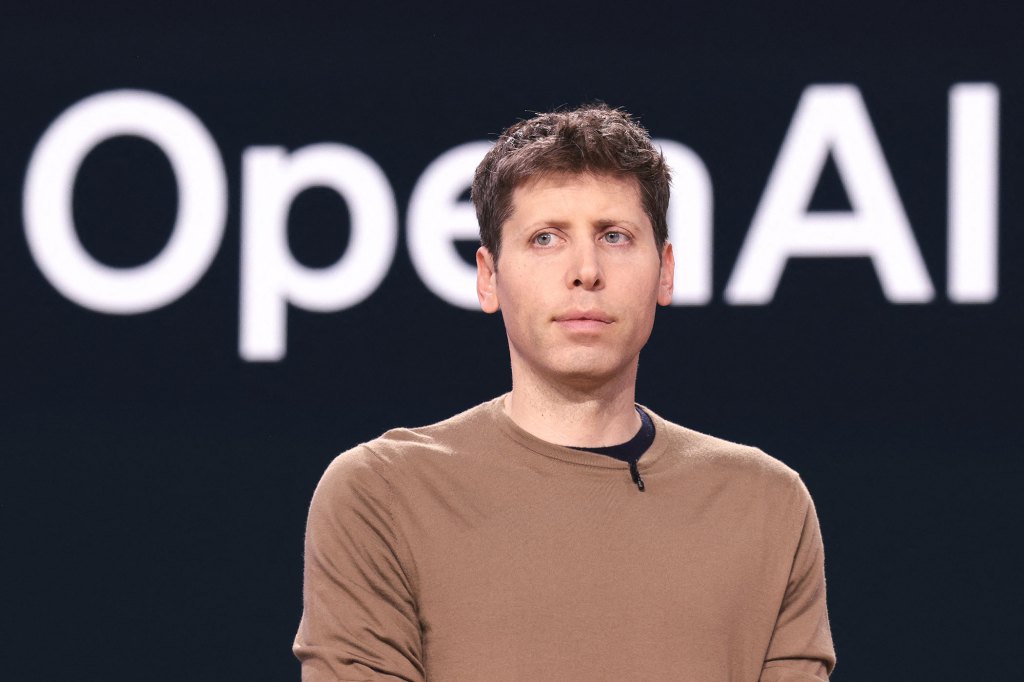
This anxiety is not merely theoretical; it has manifested in disturbing real-world behaviors. The online reaction to the attack on Sam Altman's home revealed a segment of the community that views violence as a legitimate form of protest against technological acceleration. On social media platforms, comments praising the assault echoed sentiments seen after high-profile corporate tragedies, with some users suggesting a "revolution" is needed to curb perceived excesses.
The Trust Deficit and Regulatory Landscape
Beyond immediate fears about jobs and safety, the report identifies a significant trust deficit regarding government oversight. In the United States, trust in the federal government to regulate AI responsibly has plummeted to just 31%, the lowest among nations surveyed. This stands in sharp contrast to Singapore, where 81% of respondents expressed confidence in their government's ability to manage AI regulation effectively.
The lack of faith in American regulatory bodies creates a vacuum that could exacerbate the divide between those building the technology and those living with its consequences:
- 41% of Americans believe current federal regulations are insufficient.
- Only 27% think they will go too far, suggesting a desire for more robust oversight rather than deregulation.
Yet, despite these concerns, there is a sliver of hope. Globally, the perception that AI offers more benefits than drawbacks rose slightly from 55% in 2024 to 59% in 2025. However, this optimism is fragile; the percentage of people who feel "nervous" about AI has ticked up from 50% to 52%. As data centers expand and integration deepens, the industry faces a critical choice: continue prioritizing the race toward AGI or recalibrate to address the very real concerns of the population.
The Path Forward Requires Action
The path forward requires acknowledging that for the public, AI is not an abstract concept about superintelligence; it is a tangible force reshaping their financial security and daily routines. If the industry fails to bridge this growing disconnect, the widening gap may evolve from a difference in opinion into a full-blown social fracture. The promise of artificial intelligence risks being overshadowed by the reality of human resistance unless immediate socioeconomic concerns are addressed with the same urgency as theoretical breakthroughs.