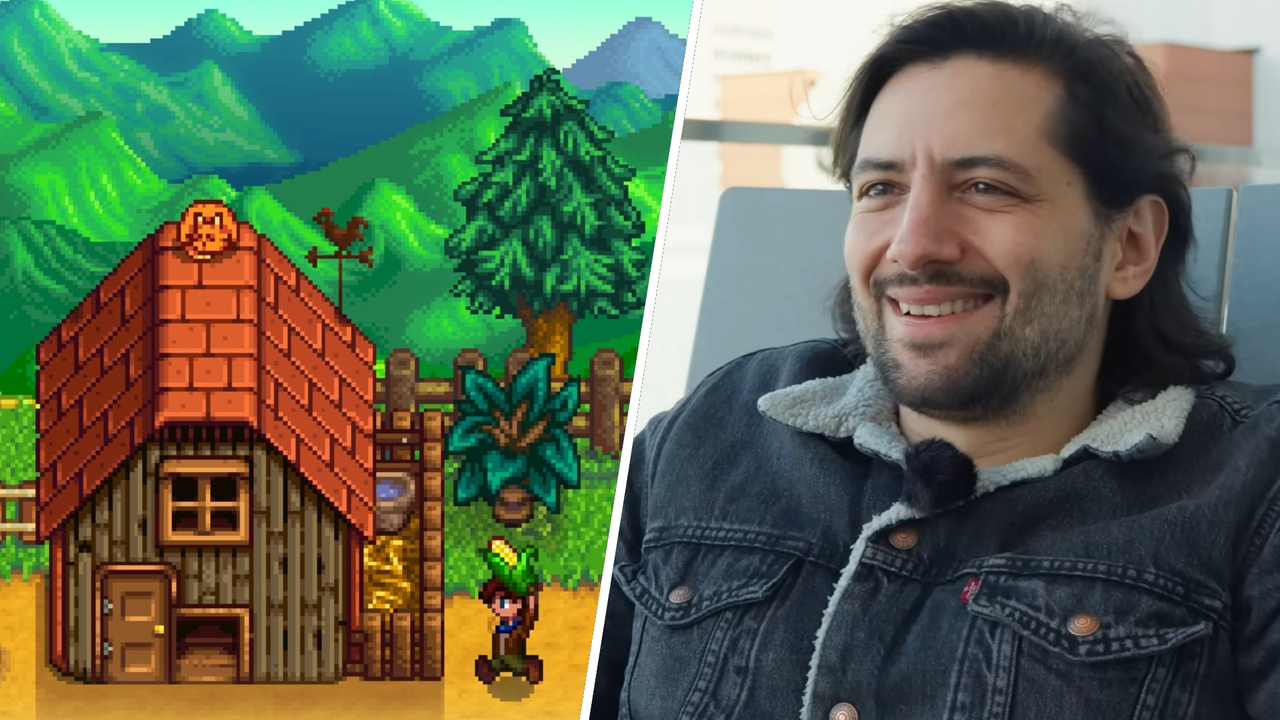
As Stardew Valley celebrated its 10-year anniversary earlier this year, creator Eric "ConcernedApe" Barone took a moment to reflect on the game's enduring legacy. Despite being one of the most successful titles in recent gaming history, the cozy farming simulator remains free of microtransactions—a decision driven by Barone’s personal philosophy regarding player connection versus profit.
Prioritizing Community Over Profit
In a recent interview with GameInformer, Barone explained that his refusal to implement predatory monetization is a matter of personal happiness. He noted that he values the affection of his audience far more than potential extra revenue.
"I just genuinely value the love of the players more than the money that I could squeeze out of everyone," Barone stated. "I just know that that would not bring me as much happiness as being beloved by the community. So it’s like, to me, it’s kind of a no-brainer."
Barone even admitted that this approach might seem self-serving in a way that benefits his own well-being:
- Chasing Dollars vs. Respect: Barone views the choice as a trade-off between immediate profit and long-term community admiration.
- Personal Happiness: He prefers the feeling of being respected by players over simply accumulating more wealth.
- Community Connection: The "magical feeling" of player engagement is his primary motivator.
A Legacy of Free Content Updates
This philosophy is evident in how Barone handles the game's lifecycle. Since its initial release, Stardew Valley has received six major updates, none of which required additional payment from the player base. This includes the massive 1.6 update, which introduced:
- New farm types
- Bonus chickens
- Extensive new patch notes and content
While such a model is rare in the modern gaming industry, Barone remains humble about his choices. He avoids viewing himself as a moral figurehead, stating that it is always better to believe you can improve rather than settling on being "great."
The Magic of Authentic Living
The themes within Stardew Valley—returning to a more natural, authentic way of living—seem to resonate deeply with players seeking an escape from an increasingly chaotic world. Barone believes the game taps into fundamental human goals and desires.
"Ultimately, I just want to bring magic to people," Barone added, comparing the feeling he wants to provide to the ethereal sensation of watching a sunset. "I want to delight people with magical feelings."
While the game has achieved massive commercial success—selling tens of millions of copies and even outperforming major franchises like Call of Duty in its second year—Barone’s focus remains on the experience rather than the bottom line. Through his dedication, he has proven that a developer can be immensely successful while still putting the player first.