Since its debut as "Project Century" at The Game Awards 2024, Stranger Than Heaven has been generating massive hype within the gaming community. While several short teaser trailers have kept the momentum going, we finally received a much deeper look during the Xbox Presents: A Special Look at Stranger than Heaven presentation.
This new footage provides a concrete look at the gameplay mechanics, the narrative scope, and how this title serves as a Yakuza prequel within the broader Like a Dragon universe. The connection to the established franchise is impossible to miss, with the infamous Tojo Clan being mentioned in the very first scene of the reveal.
A Deep Dive Into the Story of Stranger Than Heaven
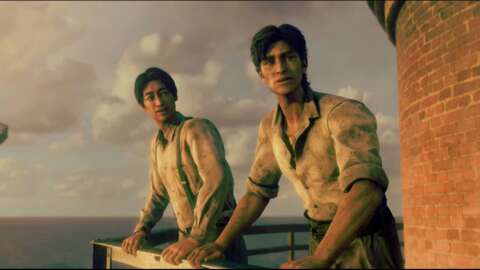
The narrative follows the life of Makoto Daito, a character voiced and modeled after the talented actor Yu Shirota. The story explores the identity of a young man born to an American father and a Japanese mother, struggling with his place in the world.
Following the death of his father, Makoto finds himself living as an outcast in America during the early years of 1915. In a desperate search for belonging, he stows away on a vessel in a San Francisco harbor bound for Japan. This journey marks the beginning of an epic saga that spans:
- 50 years of historical progression.
- Five distinct periods of Japanese history.
- A personal struggle for acceptance and identity.
Connecting to the Yakuza Prequel Universe
What makes Stranger Than Heaven particularly exciting for longtime fans is its potential to expand the lore of the Yakuza/Like a Dragon series. By setting the story in an earlier era, the game offers a unique opportunity to explore the foundations of Japanese organized crime and the historical roots of the clans we know today.
As Makoto navigates the changing landscape of Japan, players will witness a period of immense cultural shift. The presentation suggests that while the scale is intimate and character-driven, the implications for the Yakuza prequel timeline are massive, bridging the gap between early 20th-century history and the modern-day streets of Kamurocho.