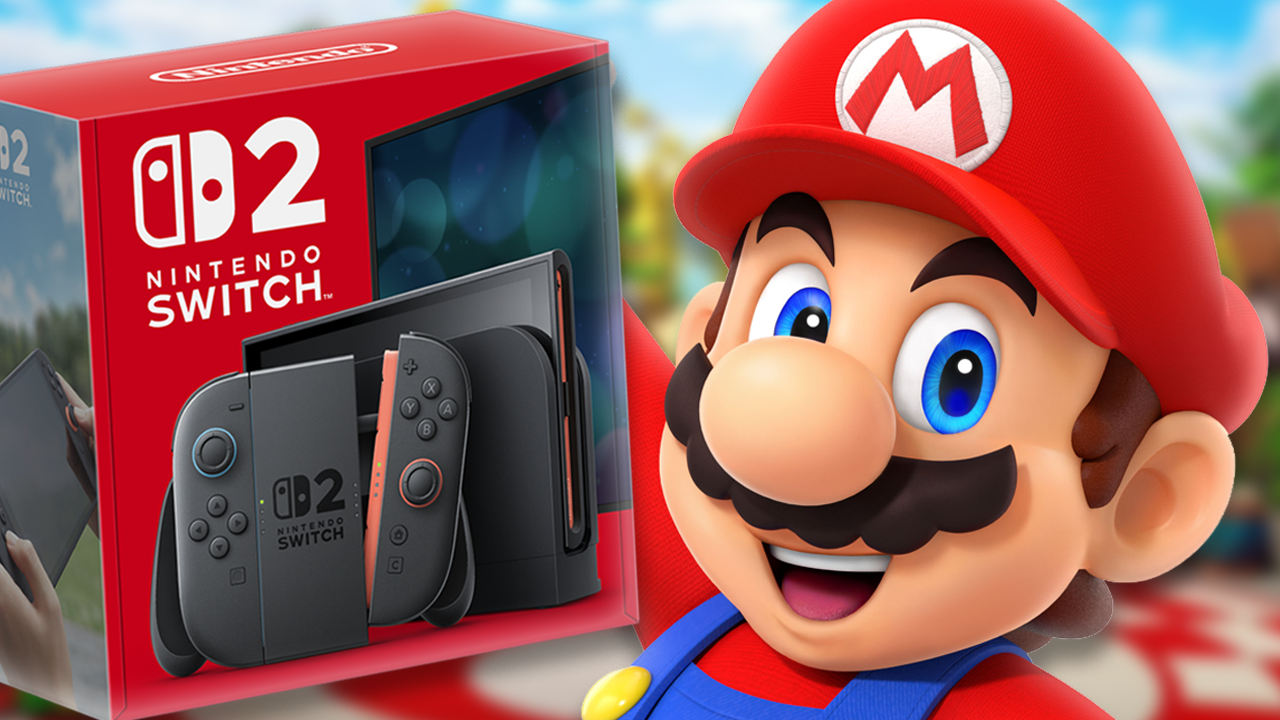
Nintendo might be receiving a refund for the money it spent on U.S. tariffs, but it claims it's under no obligation to pass that money back to consumers — even though they paid higher prices for Switch 2 products.
Shortly before launch last year, Nintendo raised the price of Switch 2 accessories and subsequently announced a price rise for the original Switch. The company — like every electronics manufacturer — has seen its financial margins under pressure due to rising component prices and, last year, the U.S. tariffs rolled out by the Trump administration. Switch 2 pre-orders in the U.S. and Canada was even delayed as a result.
A year later, and the U.S. Supreme Court has now deemed those tariffs were illegal, with refunds promised to businesses who paid them from a collective $160 billion tariff refund. But what about the consumers who paid more, in response to the tariffs? A proposed class action lawsuit is brewing, calling for Nintendo to share its refund with Switch purchasers — but the company itself has said it has no reason to do so.
As reported by Game File, Nintendo has asked for the proposed legal action to be dismissed as customers "received exactly what they bargained and paid for." In other words, it was the customers' decision to buy a product at the stated price at the time, regardless of the reasons why that price may have been higher due to tariffs.
"The common thread among Plaintiffs' claims is that it is somehow unfair," Nintendo wrote, "that Nintendo has not retroactively adjusted its prices for completed sales in response to the outcome of the tariff litigation. But that is now how commercial transactions work.
"Nintendo or one of its retailers set a price for each product, and consumers decided whether that price was worth paying. Those who bought Nintendo's products received exactly what they bargained and paid for: a console, game and/or accessory at a price to which both parties agreed. The money Plaintiffs paid represents the purchase price of the goods they wanted and received; Plaintiffs are not entitled to a rebate simply because of intervening legal developments related to tariffs."
Nintendo goes on to argue that it raised the cost of Switch accessories and consoles due to a myriad of reasons — not just tariffs — including the costs of memory, labor and shipping. It also absorbed all of the impact of tariffs on the Switch 2, which remains at its launch price today (though will very shortly be going up in cost).
"Unlike many of its market peers, Nintendo did not simply increase each product’s price by the amount of tariffs it paid on that product or impose an across-the-board tariff surcharge," the company stated. "Instead, Nintendo imposed modest and selective price adjustments, and it chose to bear the costs of tariffs on some of its most popular products of 2025, including its flagship console, the Nintendo Switch 2.
"If a consumer did not want to pay the advertised price, they were free to abstain from purchasing the product or seek out competing products," Nintendo concluded (not that Xbox or PlayStation have been immune to price rises, either). A judge will now rule on whether to allow the proposed class action suit to continue, or side with Nintendo and have it dismissed.
Tom Phillips is IGN's News Editor. You can reach Tom at [email protected] or find him on Bluesky @tomphillipseg.bsky.social