Team Group CEO warns that DRAM and SSD prices will still rise
The explosive demand for AI servers has turned the memory market into a high‑stakes arena.
DRAM and SSD prices will still rise as the supply chain struggles to keep up, and Team Group’s chief executive, Gerry Chen, says the trend is only getting stronger.
What the CEO said about the near‑future
During a recent interview with Hermitage Akihabara, Chen outlined the current landscape.
“AI‑related demand is 40‑50 % of the total supply. We expect this demand to continue to increase, and the majority of memory produced between 2026 and 2027 already has its customers.”
He added that the supply shortage is not limited to DRAM; NAND flash memory is also tight, creating a holistic deficit that could persist until 2028.
“The overall memory market is likely to continue experiencing supply shortages,” Chen noted.
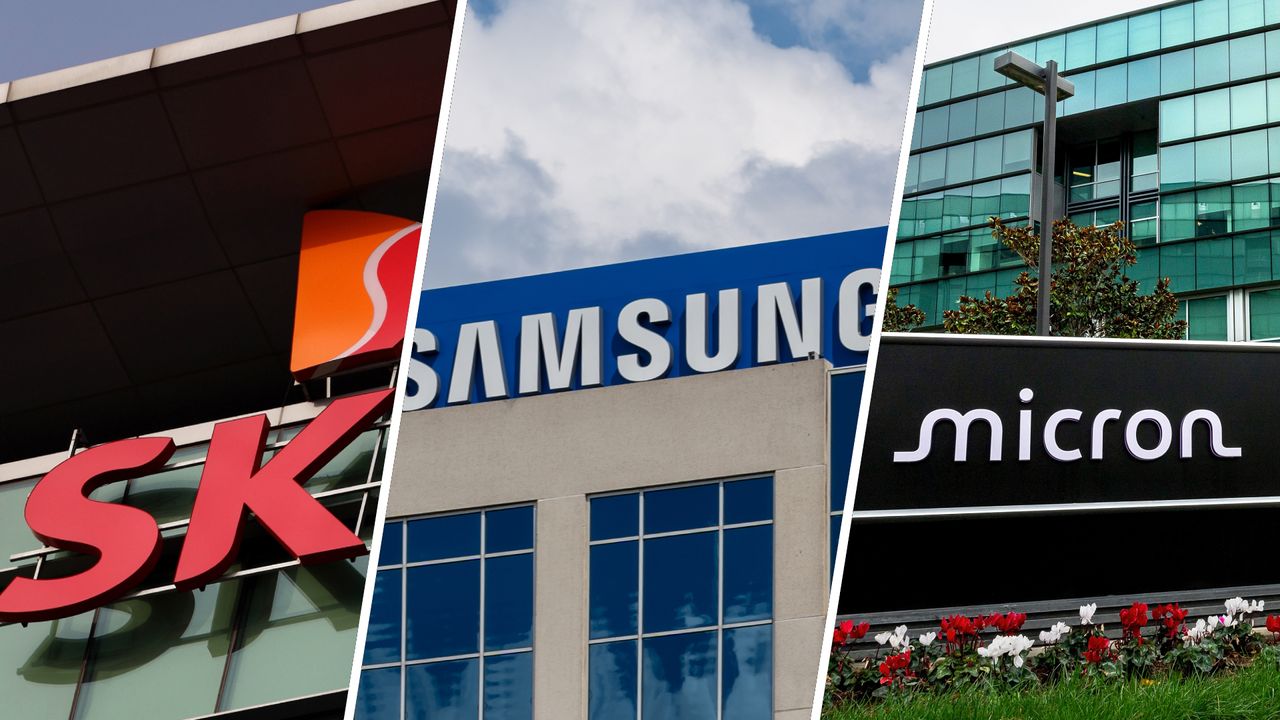
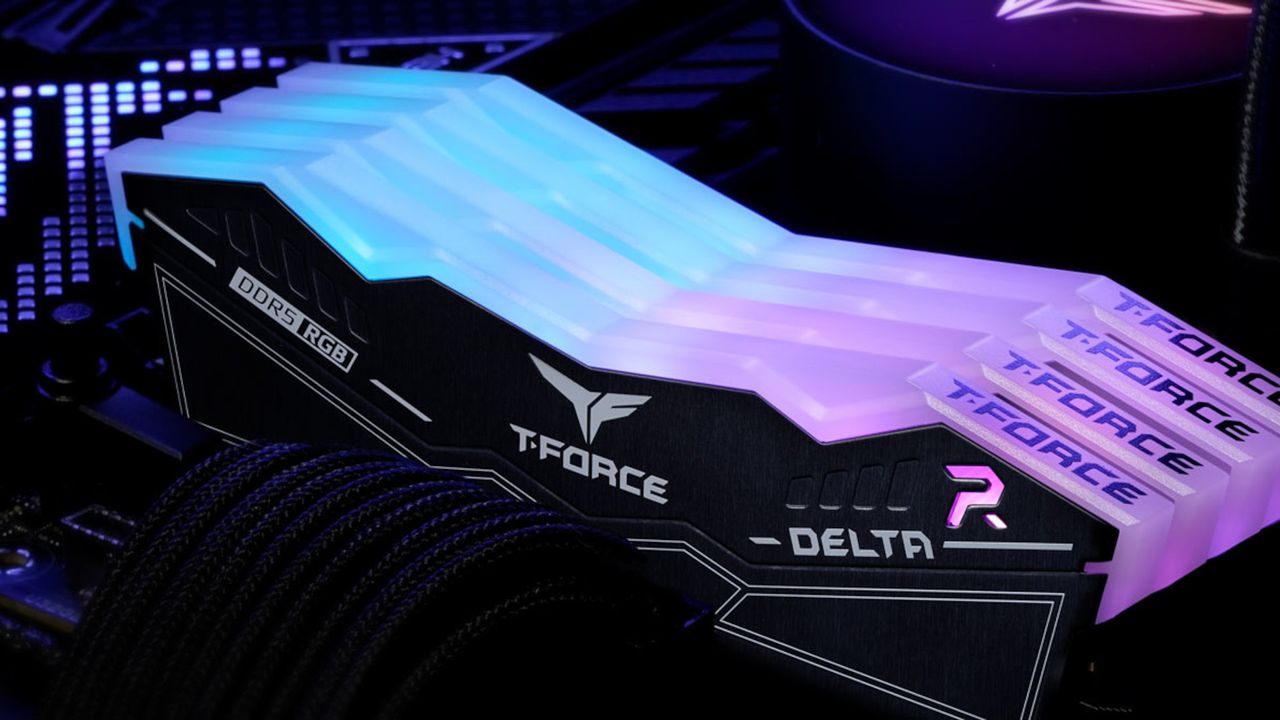
Team Group does not manufacture raw chips. Instead, it purchases modules from SK Hynix, Micron and Samsung, then turns them into its own DDR5 memory kits and SSDs. Because the conversion step is not 100 % efficient, the company’s output is even more constrained, putting it at the front line of the supply squeeze.
Prices for PCs and components
When asked about pricing trends, Chen gave no upbeat sign.
“I believe prices will rise further. While server product prices have already increased significantly, the general PC market is still relatively low.”
Server prices are climbing at roughly 30 % per quarter, a rate that could spill over into the consumer market. Chen warned that as the server sector tightens, more raw components will be diverted to that market, leaving less for ordinary consumers.
“If that sector continues to get worse, more of the raw component supply will be switched to the server market, leaving even less for the general consumer.”
A concrete illustration: a 1 TB NVMe drive that cost $230 a year ago is now over $500.
“If that comes to pass, the parts that are in the highest demand will see much bigger price hikes, and that unfortunately means DDR5 and SSDs.”
Takeaway for shoppers
The CEO’s clear message is that the best time to buy is now.
Unless you’re prepared to wait until well into 2028, it’s wiser to purchase memory today.
“If you need memory, we recommend purchasing it as soon as possible,” Chen advised.
- DRAM and SSD prices will still rise
- AI server demand is the main driver
- Supply shortages expected through 2028
- Current consumer prices may increase sharply
In short, the memory market is on a tightrope, and the DRAM and SSD prices will still rise unless you act before the next price surge.