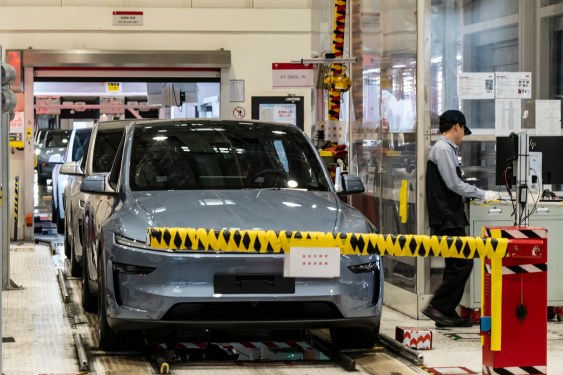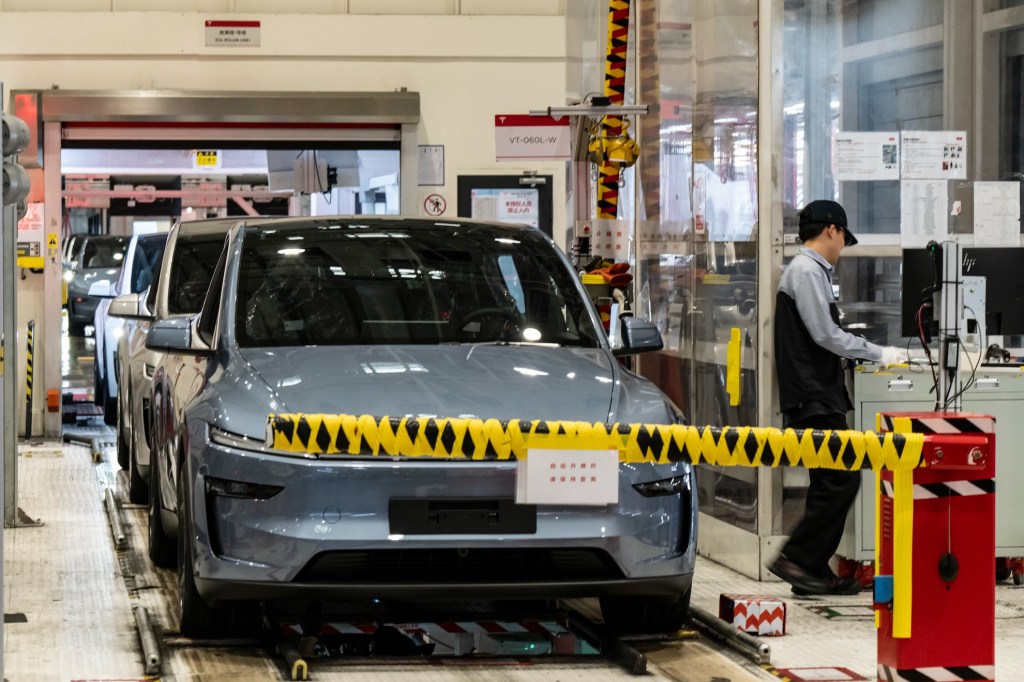
Can a manufacturing giant successfully pivot to a high-margin software model while its core product market faces significant regulatory headwinds? Recent data confirms that Tesla Q1 revenue rises, driven by EV sales and FSD subscriptions, suggesting that despite a turbulent path, the company is finding unexpected stability in its digital ecosystem. Despite shifting federal incentives and fluctuating demand, the automaker reported a notable uptick in both revenue and profit.
Why Tesla Q1 Revenue Rises: The Software Safety Net
The expansion of software-as-a-service (SaaS) offerings is playing a critical role in the company's financial health. Tesla reported quarterly revenue of $22.38 billion, representing a 16% increase from the $19.3 billion generated during the same period in 2025. This growth was largely underpinned by automotive revenue, which climbed to $16.2 billion from $13.96 billion a year prior.
Crucially, this performance was bolstered by the expansion of Tesla’s digital services. The number of subscribers to the Full Self-Driving (FSD) advanced driver assistance system reached 1.28 million. This surge provides a high-margin cushion that traditional hardware sales can no longer guarantee alone.
Delivery Delays and Market Pressures
However, underlying vehicle metrics present a more complex narrative. While production numbers remained robust at 408,386 vehicles, global deliveries fell short of analyst expectations, totaling only 358,023 units against a projected 368,000. This discrepancy suggests an increasing buildup of inventory in the market.
The removal of the $7,500 federal tax credit by the previous administration has placed pressure on the broader EV sector. Consequently, manufacturers are being forced to compete more aggressively on price and software utility rather than just environmental credentials. As a result, seeing how Tesla Q1 revenue rises, driven by EV sales and FSD subscriptions, highlights the importance of recurring service revenue.
Navigating the Transition from EVs to AI
The financial results reveal a company caught in a precarious middle ground. While year-over-year figures show improvement, recent quarterly trends indicate a downward trajectory from the peak revenues seen in late 2025. For instance, Q3 and Q4 of the previous year saw much higher revenue marks of $28 billion and $24.9 billion, respectively.
Elon Musk has been transparent about the "awkward" phase this transition represents. The CEO has frequently warned that the company is navigating a financially sensitive shift from being an electric vehicle manufacturer to becoming a leader in AI and robotics.
Key financial highlights from the Q1 report include:
- Total Revenue: $22.38 billion (up 16% YoY)
- Automotive Revenue: $16.2 billion
- Net Income: $477 million (compared to $409 million in Q1 2025)
- Free Cash Flow: $1.44 billion
- FSD Subscriptions: 1.28 million active users
The Verdict: A High-Stakes Pivot
The success of Tesla’s long-term strategy depends entirely on its ability to move beyond the chassis. While the growth in FSD subscriptions provides a buffer, the company's valuation is increasingly tied to the promise of autonomous autonomy and robotic integration.
The current expansion of Robotaxi services into cities like Dallas and Houston represents the first tangible step toward this future. However, access remains highly restricted and unproven at scale.
Ultimately, Tesla is attempting to execute one of the most difficult pivots in industrial history. If the company can leverage its massive data advantage from the FSD fleet to dominate the autonomous software market, current volatility will be a mere footnote. However, if the transition to AI stalls while hardware demand fluctuates, it remains to be seen if the Tesla Q1 revenue rises, driven by EV sales and FSD subscriptions trend can be sustained long-term.