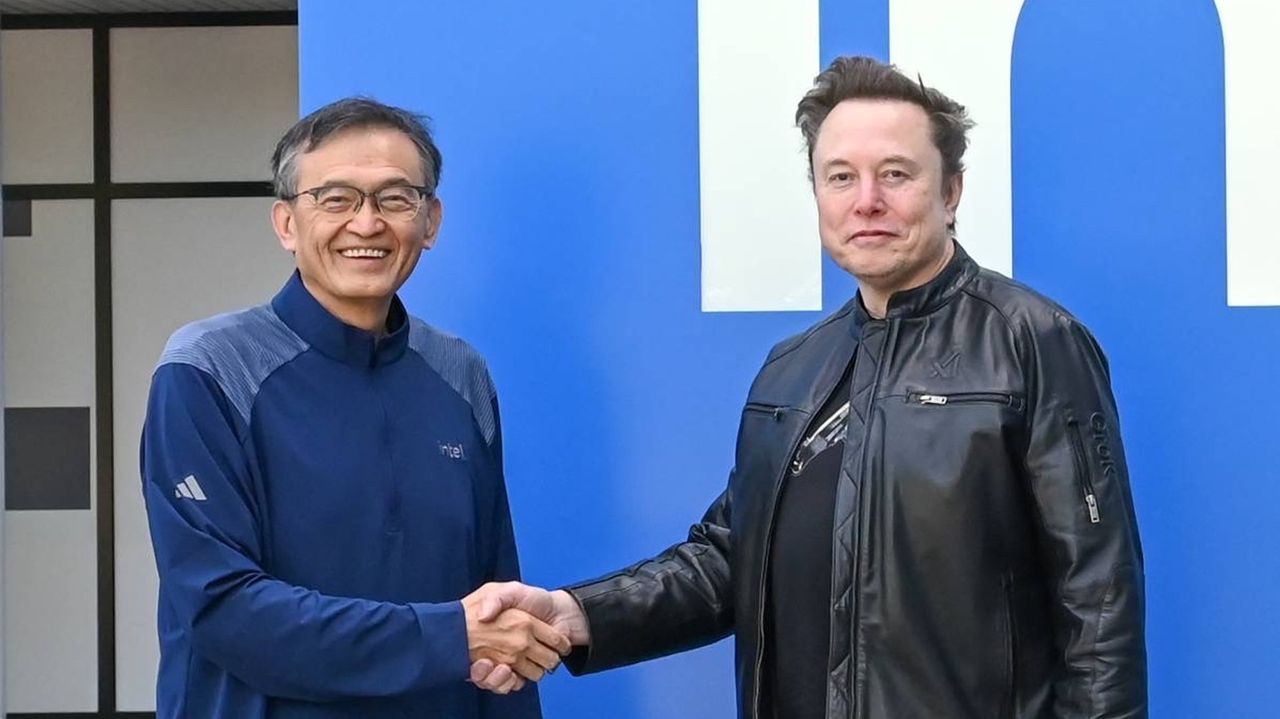
During a recent Tesla earnings call, Elon Musk announced that Tesla plans to utilize the upcoming Intel 14A node to manufacture chips for his ambitious Terafab project. This follows an earlier collaboration this month between Intel and Musk aimed at refactoring silicon fab technology.
The Massive Scale of the Terafab Project
The Terafab project represents Musk's bold venture into producing custom silicon to ensure his various enterprises are not bottlenecked by global supply chain issues. As CPU shortages continue to squeeze the industry, Musk is looking to create an internal ecosystem of high-performance hardware.
Once the project reaches full scale, the chips produced will be intended to power:
- Tesla electric vehicles and autonomous driving systems
- Advanced humanoid robotics
- xAI computing requirements
- SpaceX data centers located in space
Moving Beyond Intel 18A to Intel 14A
While much of the industry's recent focus has been on Intel 18A—the process former CEO Pat Gelsinger famously pledged to "bet the whole company on"—the focus is now shifting toward even more advanced technology. We are already seeing 18A architecture in mobile processors like Panther Lake, with desktop-focused Nova Lake expected later this year.
However, for the long-term requirements of the Terafab project, Musk is looking further ahead to the Intel 14A node. While Intel previously indicated they were in no hurry to push the process into full swing until demand was confirmed, having Tesla as a primary customer should provide the necessary momentum.
A Strategic Partnership for Foundry and Packaging
The collaboration appears to extend beyond simple wafer production. Industry insiders suggest that Intel’s foundry and packaging services will be a central component of this agreement, involving key figures like Lip-Bu Tan.
This move is a significant win for Intel's foundry division, which has been actively working to expand its list of external customers. With Musk officially on board for Terafab, Intel now has a high-profile anchor customer secured for the future of the Intel 14A era.
Musk on the Future of the Partnership
Musk expressed significant optimism regarding the maturity of the technology by the time Tesla's hardware needs reach peak demand.
"We plan to use Intel's 14A process, which is state-of-the-art and in fact not yet totally complete," Musk stated. "But given that by the time Terafab scales up, 14A will be probably fairly mature or ready for prime time. 14A seems like the right move. And we have a great relationship with Intel. A lot of respect for the CEO, the CTO, and the new team there. So we think it's going to be a great partnership."
Renewed Momentum for Intel
This deal arrives at a pivotal moment for Intel’s financial health. Following a multi-year agreement with Google, Intel's market cap has recently climbed higher than it has been in over 25 years. This resurgence marks a refreshing departure from the stagnation and manufacturing hurdles the company faced in recent years.
As Intel continues to push forward with hardware refreshes, such as the Arrow Lake Core Ultra 200-S 'Plus', the industry will be watching closely to see if this momentum can be sustained.