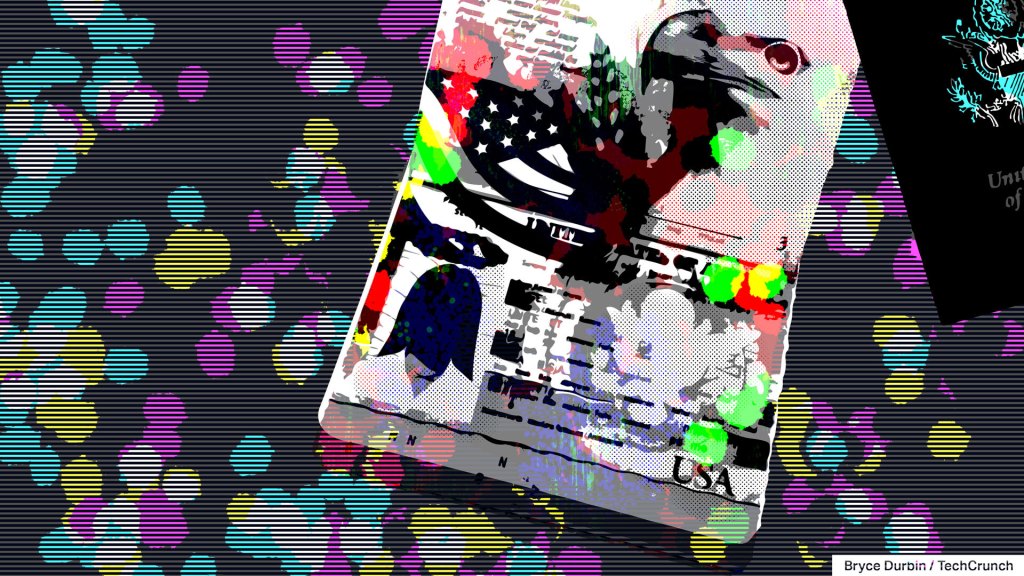
The rise of digital government services has brought convenience to millions, yet it has also created new vulnerabilities that cybercriminals are increasingly exploiting. In recent years, state agencies have moved toward centralized databases and online portals to streamline access to services, but this shift has also made them prime targets for data breaches. Now, a recent incident involving Texas’s state government has exposed the risks of such digital transformation, as hackers gained access to the personal information of over 3 million individuals, including driver’s licenses and passport numbers.
A Breach of Critical Identity Data
The breach, uncovered by Texas’s attorney general, involves the unauthorized access of sensitive personal information, including email addresses, phone numbers, and residential addresses of license holders. The affected data was managed by a third-party vendor handling hunting and fishing licenses, though the vendor's identity remains undisclosed. The breach highlights a growing trend of cybercriminals targeting government systems, which often hold vast amounts of personally identifiable information (PII) that can be exploited for identity theft, phishing, or even more severe financial fraud.
- The breach affected over 3 million individuals
- No vendor was named, and the nature of the breach remains unclear
- The Texas Parks & Wildlife Department has not commented publicly on the incident
The Implications of a Government Data Leak
For the residents of Texas, this breach is more than a data security issue — it’s a threat to personal privacy and financial security. The exposure of driver’s licenses and passport numbers can be particularly dangerous, as these documents are often used to verify identity in critical situations, from opening bank accounts to traveling abroad. The potential for misuse is vast, and the long-term consequences could be severe for those affected.
In the broader context, this breach underscores a critical flaw in the way many state agencies manage their digital infrastructure. As more services move online, the risk of a single point of failure increases. Third-party vendors, while essential for efficiency, can introduce new risks if not properly vetted and monitored. This incident serves as a warning to other states and federal agencies that even well-intentioned digital modernization efforts can expose citizens to significant threats if not secured properly.
A Call for Strengthened Cybersecurity Protocols
As the frequency and sophistication of cyberattacks continue to rise, the need for robust cybersecurity frameworks in government operations has never been more urgent. The Texas breach is part of a larger pattern — in 2023 alone, multiple states have reported significant data breaches, each exposing sensitive information. These incidents are not just technical failures but systemic issues that require coordinated action from policymakers, cybersecurity experts, and the private sector.
Experts suggest that proactive measures such as multi-factor authentication, continuous monitoring of network traffic, and stricter access controls could mitigate the risk of such breaches. Moreover, increased transparency from government agencies and stronger penalties for data security failures may push organizations to prioritize cybersecurity as a core function, not just an afterthought.
The Texas data breach serves as a sobering reminder of the vulnerabilities that exist in our digital infrastructure. As the line between public and private data continues to blur, the responsibility to protect citizens’ information must be taken seriously at every level. With the right policies and technological safeguards, the risk of future breaches can be minimized — but only if the lessons from Texas are heeded in time.