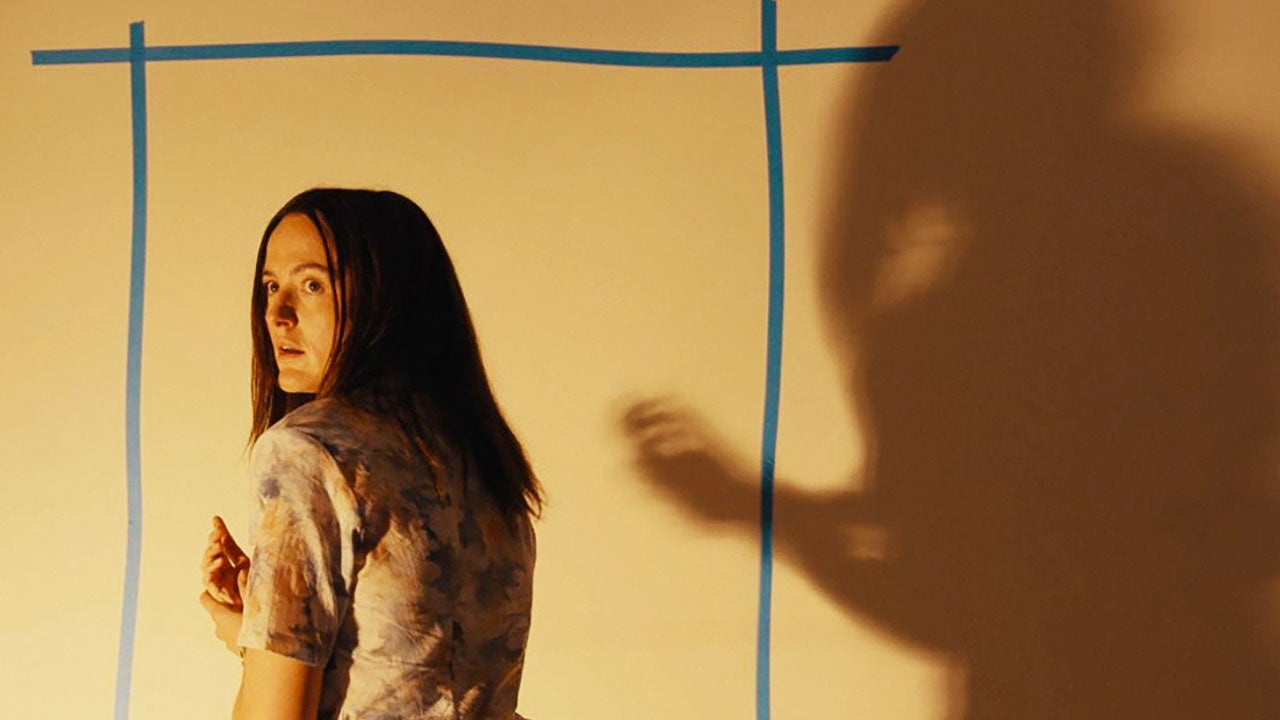
The Christophers Review: A Hidden Masterpiece from Steven Soderbergh
The Christophers review reveals a stunning return to form for Steven Soderbergh, who brings his signature heist energy to the intimate world of art forgery. Arriving in limited theatres on April 10 before opening nationwide on April 17, this introspective drama marks Soderbergh's first straightforward feature since his 2013 Liberace biopic, Behind the Candelabra. While the director has recently experimented with a diverse genre smorgasbord ranging from COVID thrillers to haunted house movies, The Christophers stands out as a deceptively simple tale of an aging painter and an ingénue. Despite being confined largely to two apartments and a pub, the film bubbles with the same excitement found in his previous heist hits like Logan Lucky or the Ocean's Trilogy.
A Deceptive Con and Shifting Power Dynamics
Written by Ed Solomon, The Christophers is a wonderfully intriguing narrative that serves as Soderbergh's most introspective work to date. The plot follows Lori Butler (Michaela Coel), a stagnating art school graduate working as a noodle cart operator who is recruited by an old classmate for a high-stakes con. The scheme unfolds through three critical phases:
- Securing the Position: Lori lands a job as a personal assistant to Julian Sklar (Ian McKellan), a brusque, controversial art world legend she once admired before his public "cancellation."
- The Forgery Mission: She is tasked with covertly completing an unfinished series of portraits known as The Christophers.
- The Exit Strategy: These works are intended to be sold by Julian's ungrateful and bumbling children, Barnaby (James Corden) and Sallie (Jessica Gunning), only after his death.
Throughout the runtime, information regarding who knows what shifts constantly, ensuring a constant subversion of power as the premise evolves. Initially, Julian appears meekly recording Cameo videos for fans with no recent sales, but his mischievous ego soon takes over when he decides to dig up The Christophers himself just to destroy them. Complications and suspicions ping-pong back and forth until, roughly halfway through the movie's snappy 100 minutes, everyone's cards are (more or less) on the table.
Defining the Artist: A Clash of Egos and Vulnerabilities
From this point forward, The Christophers deepens in unexpected ways, shifting focus to the core dilemma of what actually defines an artist and the nature of arts criticism. Lori firmly believes she perfectly understands Julian's methods, yet the film questions whether she—or he—can ever truly know the creative process. While Soderbergh initially captures their dynamic with a wry remove, often framing McKellan's inappropriate wit alongside Coel's subdued reactions in wide shots, his camera eventually ventures closer as these central queries turn inward.
This visual shift forces both leads to confront themselves regarding the Christophers mystery. Although it is slightly disappointing that The Christophers does not become a film of process despite threatening to do so multiple times, Soderbergh's conception of his characters remains entirely lucid. We may never see Julian's actual artwork or Lori's meticulous counterfeiting in detail, but the motivations driving them are crystal clear:
- Coel creates a beguiling mystery as Lori draws hard professional lines while attempting to win Julian's trust.
- McKellan reveals hidden vulnerabilities beneath repulsive and often hilarious verbal instincts.
Julian is portrayed as an immense pain, from his demand that guests use different doors for each visit to his insistence on sexualizing conversations or sarcastically debating the ethics of doing so. Like McKellan himself, Julian is a queer icon who has fallen victim to the generational gap, perhaps intentionally using this status to be a martyr rather than focusing on new work. Alongside Bill Condon's The Good Liar, The Christophers stands as some of McKellan's best and most considered late-career work, turning his ostentatious affectations into a mask for deep insecurity.
On the other end of the performance spectrum lies Coel's quieter, more measured approach, reading from an entirely different text. Her subdued naturalism and mysteriously feline features make the audience watch in anticipation precisely when Julian's boastful obnoxiousness might push them away. Lori harbors her own secret motives that are meted out slowly as the film progresses. Combined with McKellan's livewire performance, she becomes a lightning rod, grounding Julian's late-stage crisis in emotional considerations that range from immediately obvious to major plot twists requiring several scenes of context.
This is not to suggest The Christophers is a movie one can easily "spoil"; gradually discovering what makes Lori tick says just as much about her character as it does about Julian's celebrity stature and the fragile relationship between artists and their admirers. Perhaps Soderbergh and Solomon each have their own "Lori" out there—a muse, an adversary, or some combination of both—driving this compelling human drama to its conclusion.