Last week, Microsoft raised the prices of its Xbox consoles. The cheapest Xbox Series S model, originally positioned as a low-cost entry point in this console generation, will be $499.99 by August 1, 2026. Meanwhile, the PlayStation 5 Pro has jumped in price by $200 since its debut in 2024. The console market is changing, and it’s not looking good for consumers.
The smoking gun is the chip shortage caused by artificial intelligence and the construction of data centers across the world. Tech giants, including Microsoft, are buying up large quantities of memory in order to power their AI tools. This doesn’t seem like a short term shortage, either, with some experts expecting it to last until 2030.
Alongside the chip shortage, player habits have changed significantly over the last decade. Any handheld device can double as a game console now, and the younger generation is more likely to play Roblox on their phone than pick up a $600 console to play God of War. Grand Theft Auto VI will likely give console sales a significant bump, even with the price hikes, but monumental releases like GTA 6 don’t happen often.
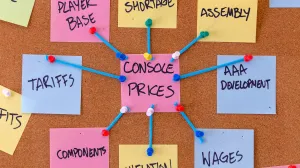
https://youtu.be/4FatSqS3VYYIn this video, senior video producer Jake Dekker attempts to break down the volatility in the console market. He digs into the chip shortage, AAA development costs, inflation, the loss leader strategy, and how manufacturing costs adjust with scale. He sits down with Mat Piscatella, an industry analyst with decades of experience, to dive into the details. These price increases don’t happen in an economic vacuum, though. Wages have stagnated and everything has gotten more expensive across the board. Writer and professor Jake Steinberg shares insight on how these price increases are emblematic of wider economic decay.
Video game consoles likely won’t go away entirely, but as consumers get priced out of consoles, that audience will shrink over time. This will have innumerable implications and ramifications across the industry as platform holders, developers, and publishers reassess their strategies.