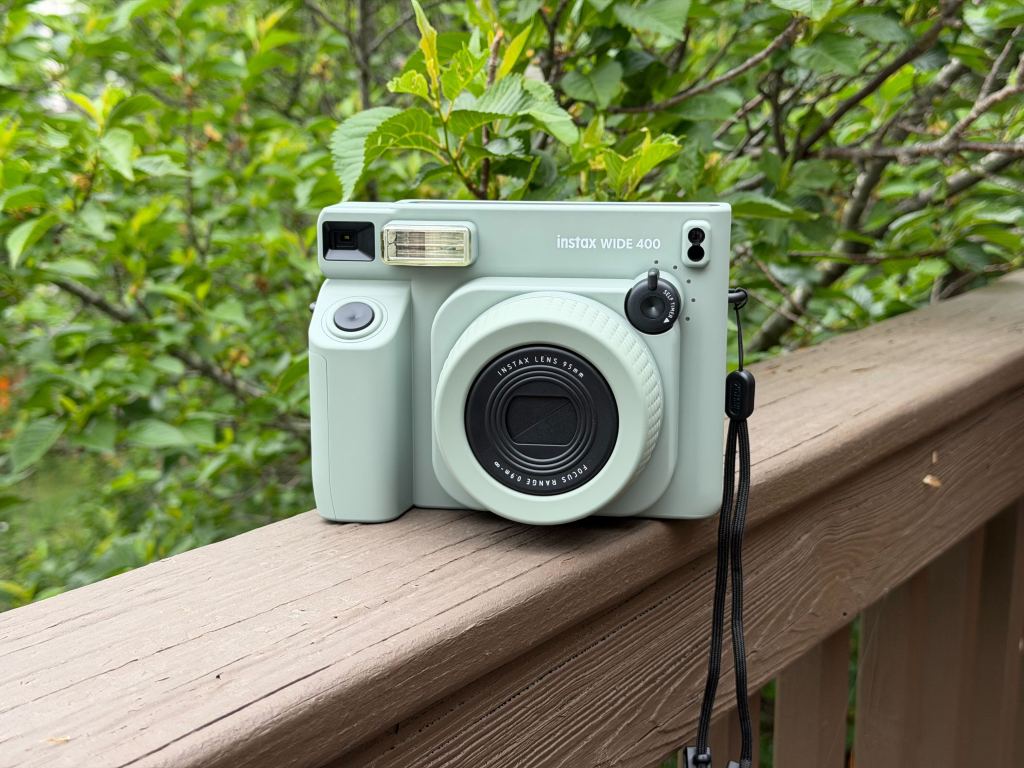
The Instax Wide 400 builds on instant photography’s simplicity and stretches it, literally. Fujifilm’s latest point-and-shoot proves that thoughtful design can completely redefine what a compact camera achieves. By expanding the physical format while keeping the workflow effortless, this model delivers a fresh take on an analog classic.
The Instax Wide 400: Expanding the Frame Without Compromising Simplicity
The standout upgrade is the print size, which measures 62 × 99 mm. This is roughly double the dimensions of standard Instax Mini images, giving photographers significantly more room for composition. The extra space shines when capturing landscapes, group shots, or detailed close-ups. Despite the larger output, the camera retains Fujifilm’s signature one-button operation. Critical functions like flash exposure and autofocus are fully automated, ensuring accessibility doesn’t take a hit as the image dimensions grow.
Balancing Size and Usability
Carrying a larger instant camera means accepting a different footprint, and the device measures 162 mm × 98 mm and weighs 1.4 pounds. Its noticeable bulk often draws attention in public spaces, sometimes even sparking conversations over coffee or gelato. To offset the challenge of posing with the camera, Fujifilm included a robust 10-second self-timer. It offers countdowns complete with both visual and auditory cues to keep you in sync. A small film indicator on the rear panel also prevents mid-shoot interruptions by showing exactly how many exposures remain.
Film Options and Color Identity
Instant photography thrives on creative expression, and Fujifilm supports this through diverse film finishes. The camera supports several border styles to match your aesthetic vision:
- Standard white frame for a clean, classic look
- Black frame for a dramatic, editorial feel
- Metallic borders for a modern, reflective touch
- Monochrome film for striking black-and-white results
While Fujifilm supplies standard white-bordered stock by default, swapping to alternate finishes like green tones adds a playful edge that complements the camera’s bold form factor. These specialized borders allow users to tailor the final print to their specific creative goals without needing external editing software. Each 20-sheet pack typically retails between $25 and $28, keeping ongoing costs manageable for hobbyists and casual shooters alike.
Practical Considerations and Trade-offs
No instant camera is entirely immune to environmental challenges, and lighting remains a critical factor. In high-contrast environments, such as dense foliage set against a bright sky, details can easily blur without careful exposure management. However, this limitation rarely impacts the overall experience during typical daylight shooting sessions. For those who want to push the camera’s limits, Fujifilm offers a close-up lens attachment that significantly improves macro focusing performance. This accessory directly addresses the focus limitations common in similarly sized setups.
Conclusion: Redefining Instant Photography’s Boundaries
The Instax Wide 400 successfully proves that simplicity and physical expansion are not mutually exclusive. Fujifilm delivers a compelling tool for both beginners and experienced shooters who refuse to compromise on quality or convenience. As analog trends continue to reshape the photography landscape, this model highlights how incremental innovation can elevate an iconic medium. The camera maintains the spirit of immediacy while adapting to contemporary creative demands.
Coverage from events like TechCrunch Disrupt 2026 further underscores Fujifilm’s strategic positioning at the intersection of heritage craftsmanship and modern consumer demand. Whether you are documenting weekend gatherings or crafting standout landscape images, the Wide 400’s blend of practicality and distinct personality keeps it highly relevant. For anyone exploring how instant photography adapts to today’s needs, this camera stands out as both a tribute to tradition and a clear vision for the future.