A perfectly chiseled physique, a wide grin, and deep brown eyes flicker across an Instagram feed, posing mid-celebration in front of the Coachella Ferris wheel. To the thousands of followers scrolling through Jae Young Joon’s profile, he is a rising star in K-pop adjacent influencer culture, complete with music releases and lifestyle vlogs. However, a cursory glance at his biography reveals a startling truth: there is no human behind the muscles. This profile is part of a growing movement of synthetic personas, specifically within the rising trend of AI gay thirst traps.
The Mechanics Behind AI Gay Thirst Traps
The creation of Jae Young Joon is the work of Luc Thierry, a Canadian developer who transitioned from YouTube K-pop content to generative modeling. For Thierry, the goal isn''t necessarily to deceive, but to provide a form of digital escapism. He views his AI characters as a modern equivalent to television protagonists, where the audience "role-plays" within a curated fantasy.
This practice is far from solitary. A coordinated group of creators operates via private group chats, treating their synthetic avatars as a collective stable of talent. This ecosystem relies on several key strategies:
- Cross-Platform Collaboration: Creators frequently have their AI models "interact," such as a recent post featuring Jae and the character Santos Walker gazing at a waterfall.
- Narrative Expansion: Characters are given backstories, such as being ushered into Hollywood by fictional producers to attend film premieres.
- Coordinated Visibility: The group uses shared engagement tactics to boost the algorithmic reach of all members simultaneously.
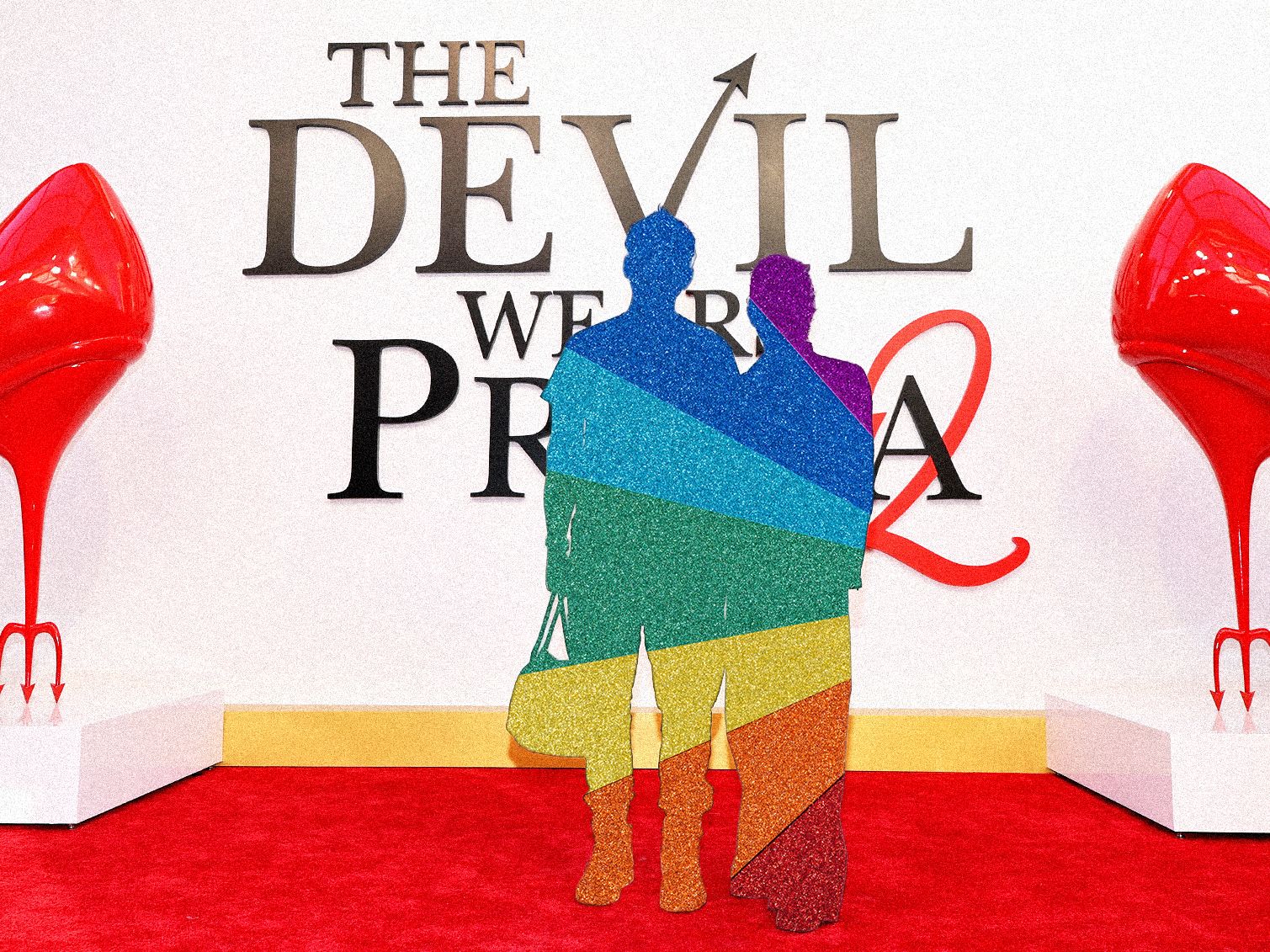
This coordinated effort reached a fever pitch recently when characters "Santos Walker" and "Caleb Ellis" appeared to crash the red carpet for the premiere of The Devil Wears Prada 2. While some observers mistook the stunt for a paid brand partnership, it was actually a calculated move by the creators to "break the internet" through sheer narrative audacity.
The Ethics of Synthetic Perfection
As these avatars become more convincing, they bring significant sociological baggage. The primary criticism leveled against accounts like Jae’s is the propagation of unrealistic body standards. Within the gay community, where body image is already a high-stakes topic, the introduction of flawlessly proportioned, hyper-muscular digital men in AI gay thirst traps can exacerbate existing dysmorphia and pressure.
The debate often centers on the line between transparency and manipulation. While creators like Thierry include disclaimers in their bios, the sheer visual impact of the content often overrides the text for the casual scroller. This creates a tension between:
- Transparency: The technical disclosure that the image is computer-generated.
- Immersion: The creative desire to maintain a "fourth wall" so the fantasy remains intact.
Critics argue that even with disclaimers, these accounts set a dangerous precedent for the future of branded content. If an influencer can be 100% controllable and lacks the "human error" or controversies of real people, they become the ultimate tool for automated marketing.
The Frontier of Synthetic Influence
Despite the backlash, the economic potential of this technology is undeniable. While Thierry notes that brand partnerships remain rare due to industry wariness, the infrastructure for a new economy is already forming. He has even moved toward launching Born2BeAI, an agency dedicated to managing these digital assets, alongside a community specifically for gay AI male models called Virtuomo.
The trajectory of this medium appears to be following the path set by established AI influencers like Lil Miquela, who has successfully secured deals with global brands like Prada and Samsung. As generative tools become more accessible and the distinction between "real" and "rendered" continues to erode, we are entering an era where the most influential personalities on our screens may never have breathed a single breath of real air. The question for the industry is no longer whether these AI gay thirst traps can exist, but how much influence we are willing to grant them.