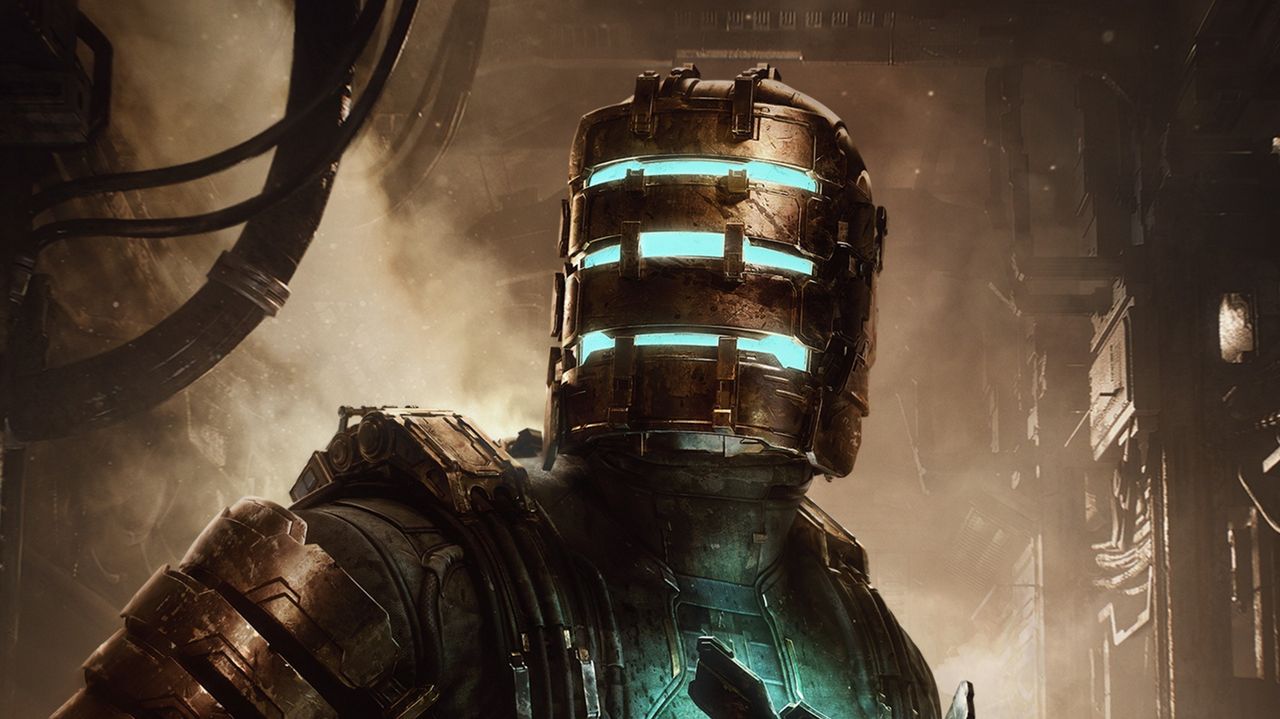
Why Dead Space 4 Is Unlikely to Happen
The hope for a fourth entry in the Dead Space franchise appears to have faded, largely due to the harsh realities of modern game development economics. Producer Chuck Beaver, who worked on all three original titles, recently revealed to FRVR that the series lacks the financial potential to justify a new project in today’s market.
According to Beaver, the "juice" simply isn't there to satisfy Electronic Arts' executive leadership. When executives from the original series pitched a fourth game to EA in the past, the response was effectively a dismissal. That rejection seems to have been the final word for the foreseeable future, as Beaver explained that the numbers just aren't there to make a sequel viable.
The Rising Cost of AAA Horror
Beaver highlighted that the barrier to entry for horror games has shifted dramatically. During the era of former EA vice president Frank Gibeau, selling five million units was the threshold needed to keep the Dead Space franchise alive. Today, that figure has skyrocketed.
Given the inflated costs of modern development, Beaver estimates that a Dead Space title now needs to sell approximately 15 million units to justify its existence to the C-suite.
This shift has created a high-stakes environment for big-budget titles. As Take-Two CEO Strauss Zelnick recently noted, the industry has become a "high-stakes game for big boys only." The cost of failure has risen so sharply that publishers are increasingly risk-averse, seeking only the safest, most profitable investments.
The Hunt for the 'Next Fortnite'
Beyond raw sales numbers, there is a deeper structural problem facing single-player horror games. Beaver pointed out that modern publishers are no longer just looking for hits; they are hunting for the "next Fortnite."
The industry demand has shifted toward perennial moneymakers that offer endless monetization options and live-service engagement. In this context, traditional single-player experiences are viewed as a "dinosaur fossil of a business model."
This sentiment is reflected in recent corporate strategies. EA CEO Andrew Wilson stated in 2025 that games must "directly connect to the evolving demands of players who increasingly seek shared-world features and deeper engagement." This philosophy contributed to EA classifying Dragon Age: The Veilguard as a failure, despite its critical and fan reception, because it failed to break beyond its core audience.
The Harsh Reality of Modern Horror Markets
While the desire for a Dead Space revival is strong among fans, the market data supports Beaver’s pessimistic outlook. The franchise, now nearly 20 years old, struggles to find the massive audience required for a new AAA installment.
The 2023 Dead Space remake was critically acclaimed but did not achieve blockbuster sales figures. Similarly, The Callisto Protocol, a spiritual successor led by original executive producer Glen Schofield, met with a flat response. Schofield, who left Striking Distance less than a year after the game’s launch, hinted in 2025 that he may be done making games entirely.
Until the industry finds a way to make single-player horror profitable without live-service mechanics—or until Beaver’s joked-about future where AI makes game creation effortless—the Dead Space franchise will likely remain a relic of a different era.