The boundary between cultural homage and intellectual property theft is rapidly dissolving under the weight of generative AI marketing. For decades, internet memes have existed in a legal gray area, often perceived as part of a digital commons that belongs to no one and everyone simultaneously. However, as artificial intelligence startups begin to integrate recognizable, copyrighted iconography into high-visibility advertising campaigns, the distinction between "tribute" and "unauthorized use" is becoming a central battleground for the future of creative ownership.
The Subterrified Infringement: Artisan’s Ad Campaign
A recent discovery in a subway station has brought this tension to the forefront of the ongoing debate regarding generative AI ethics. An advertisement for the AI startup Artisan, which promotes its "Ava" AI Business Development Representative (BDR), appears to have repurposed the iconic "This is fine" character. The artwork, originally created by KC Green as part of his webcomic Gunshow, depicts an anthropomorphic dog sitting calmly amidst a raging fire. In the Artisan iteration, the dialogue has been altered to state, "[M]y pipeline is on fire," effectively hijacking the emotional resonance of the original work to sell automation software.
KC Green’s reaction to the campaign was immediate and condemnatory. Taking to social media, Green clarified that he had never granted permission for his work to be utilized in this commercial context. The artist described the incident as a direct instance of theft, mirroring the very way many argue AI models are trained on scraped data without consent. Beyond merely criticizing the usage, Green issued a more radical call to action, urging passersby to "vandalize" the advertisement if they encountered it in the wild.
In response to inquiries regarding the unauthorized use of the character, Artisan has adopted a posture of cautious diplomacy. The company stated that they hold Green’s work in high respect and are attempting to engage with him directly to resolve the matter. While they have scheduled discussions with the artist, the damage to their brand's reputation among the creative community may already be done. This incident highlights a growing friction point where disruptive technology meets established copyright protections.
A Pattern of Provocation
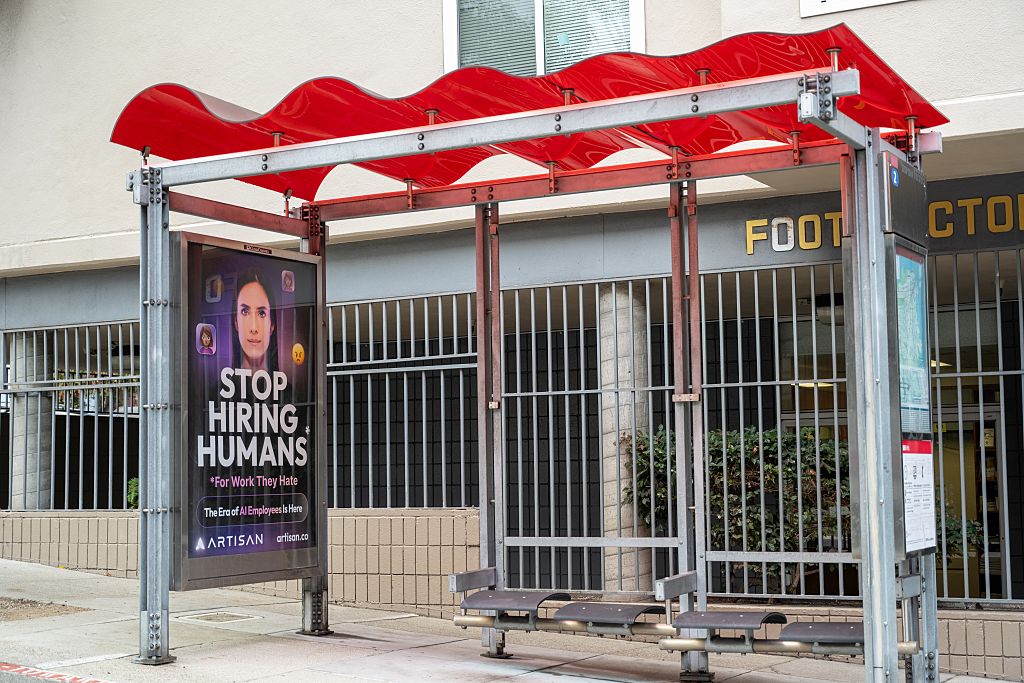
The controversy surrounding Artisan is not an isolated event in the company’s marketing history. The startup has frequently leaned into "shock" advertising to garner media attention, often utilizing messaging that borders on the adversarial. Previous billboard campaigns from the firm have featured slogans such as "Stop hiring humans," a provocative statement that the company's CEO, Jaspar Carmichael-Jack, later attempted to contextualize by claiming the message targeted specific job categories rather than humanity at large.
This strategy of using high-friction messaging creates several significant risks for the burgeoning AI sector:
- Alienation of Creative Talent: By targeting the very demographics whose data fuels their models, startups risk creating a hostile ecosystem.
- Legal Precedent Vulnerability: Aggressive use of copyrighted characters invites litigation that could result in restrictive court rulings.
- Brand Devaluation: Utilizing "stolen" aesthetics can lead to a perception of lack of originality and ethical bankruptcy.
The recurring theme in Artisan's outreach appears to be the exploitation of existing cultural capital to build brand awareness. While this may result in short-term visibility, it ignores the long-term necessity of building intellectual property respect within the tech industry.
The Legal Frontier for Digital Creators
The legal landscape for artists is currently being reshaped by these high-profile disputes. Green is not the first creator to face the appropriation of their characters for commercial gain; the precedent set by cartoonist Matt Furie in his battle against Infowars over "Pepe the Frog" remains a landmark case. In that instance, the unauthorized use of a character for political and commercial messaging led to significant legal friction and eventual settlement, proving that even the most pervasive memes can be subject to the rigors of the law.
For creators like Green, the struggle is as much about time and energy as it is about financial compensation. The artist noted that the necessity of pursuing legal representation "takes the wind out of my sails," forcing him to divert attention from his primary passion—storytelling—toward the complexities of the American court system. This exhaustion is a growing trend among digital illustrators who find themselves acting as unpaid enforcers of their own copyrights.
As AI-driven companies continue to scale, the industry faces a pivotal moment. The decision to bypass traditional licensing in favor of "meme-jacking" may provide quick marketing wins, but it sets a dangerous precedent for an era defined by automated content generation. Ultimately, the sustainability of the AI revolution may depend on whether these firms can learn to innovate without cannibalizing the very culture they aim to augment.