Unlocking the 'Jank' 90s FPS Potential in Duke Nukem: Zero Hour
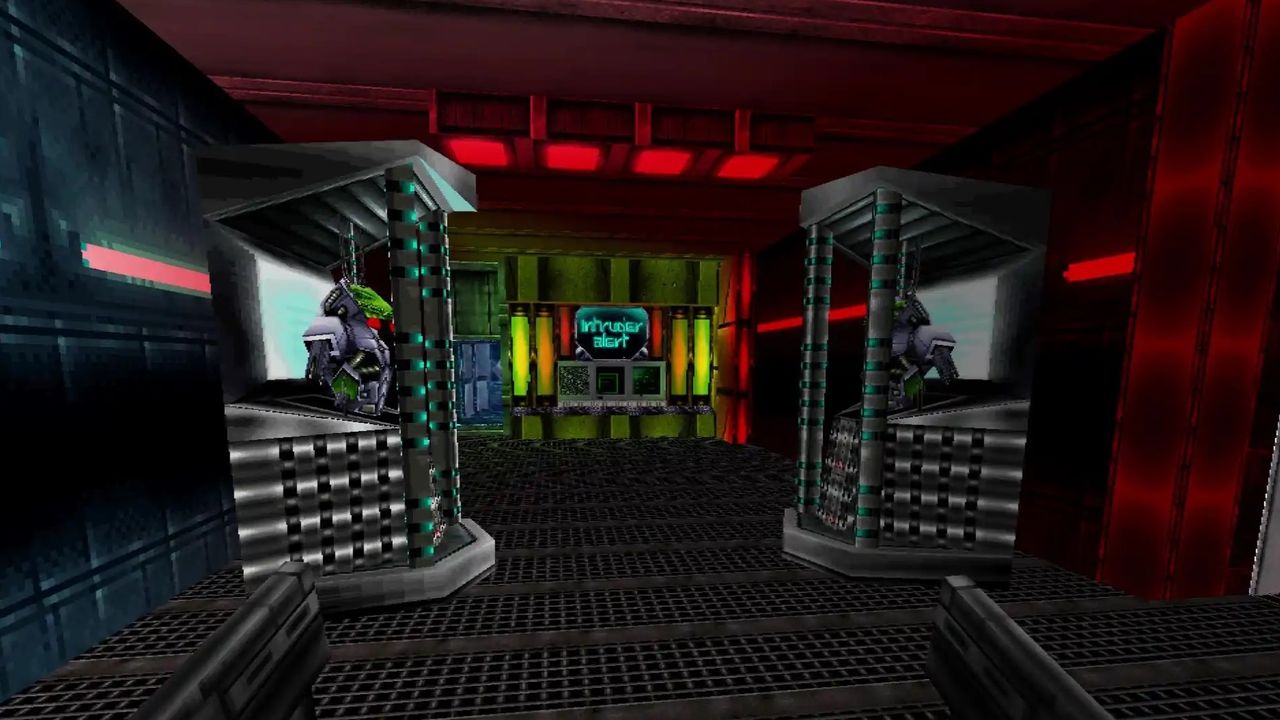
The most enduring legacy of Duke Nukem: Zero Hour Overclocked isn't the obscure Nintendo 64 platformer it was designed to be, but rather a dormant potential for first-person chaos that has finally been unlocked by a dedicated team. For years, this game sat as a curio—a third-person shooter with awkward camera angles and a lackluster weapon roster, often relegated to footnote status in the broader Duke Nukem canon. Now, Duke Nukem: Zero Hour Overclocked, an ambitious modpack for PC, has reimagined the experience entirely by stripping away its console identity and forcing it into the brutalist mold of a 'jank' 90s FPS. This isn't merely a visual patch; it is a fundamental architectural overhaul that treats the source material as raw clay rather than a preserved artifact.
Deconstructing Console Identity for Authentic Retro Chaos
The core philosophy behind Overclocked is the rejection of modern polish in favor of an authentic, chaotic retro feel. The modpack functions not as a single monolithic installation but as a modular suite of tweaks designed to transform the game's DNA from a third-person shooter into a mouse-and-keyboard FPS. By default, Zero Hour relies on analog stick movement and an auto-aim system that feels sluggish by modern standards; Overclocked replaces this with snappy mouselook and dedicated keybinds that mimic the responsiveness of Duke Nukem 3D or Quake. The modders have meticulously reworked the jumping mechanics to feel less like a platformer and more like a shooter, allowing for precise verticality during intense gunfights.
The transformation extends beyond mere controls into the very rhythm of combat, introducing features essential to the genre:
- Alt-fire integration: New weapons receive dedicated secondary fire modes, adding layers of tactical depth previously absent from the original design.
- Recoil feedback: An optional viewmodel recoil system provides visual and tactile feedback upon firing without compromising aim stability.
- Crouch toggles: A dedicated crouch mechanic allows for cover-based tactics essential to the FPS genre but missing in the source code.
These changes collectively shift the player's relationship with Duke from a passive observer navigating levels to an active participant dominating them, effectively erasing the memory of the N64 controller entirely.
First-Person Perspective as the Defining Feature
Perhaps the most daring intervention is the conversion of the camera itself, moving the experience from behind Duke's shoulder directly into his eyes. This shift requires more than simply repositioning a virtual lens; it demands a complete reconfiguration of animation states and aiming behaviors to prevent motion sickness or gameplay dissonance. The modpack adjusts movement animations so that Duke's posture aligns naturally with a first-person view, ensuring that sprinting, crouching, and interacting feel organic rather than jarringly unnatural.
Furthermore, the visual overhaul includes specific graphics cheats and HUD adjustments that emulate the gritty, low-fidelity aesthetic of mid-90s PC shooters. The interface is stripped of console-specific prompts, replacing them with diegetic or minimalist elements that prioritize immersion over hand-holding. Even the sound design receives a tune-up to match the aggressive audio profile of Duke Nukem 3D, ensuring that the sonic landscape complements the new visual perspective. This attention to detail suggests a deep respect for the era's design language, where player feedback was often delivered through raw, unpolished sensory data rather than cinematic cues.
Community Verdict and the Future of Modding
The project has already garnered significant attention within the preservation and modding communities, with Scott Miller, founder of 3D Realms, praising the conversion on social media as a mode that "should have been included in the original release." This sentiment underscores the broader realization that Zero Hour was always better suited to the FPS format than the third-person perspective it was forced into by hardware limitations. While the original game received mixed ratings upon its 2001 release, Overclocked offers a compelling argument for how specific design choices can fundamentally alter a game's reception decades later.
For enthusiasts looking to experience this reimagined Duke Nukem, the modpack is available via its official repository, though it requires access to the original N64 ROM file—a necessary legal gray area for preservationists and collectors alike. The success of Zero Hour Overclocked serves as a testament to the power of community-driven development to breathe new life into forgotten titles. It demonstrates that even games with perceived fatal flaws can be reborn when viewed through the lens of creative problem-solving and a clear vision for their potential. As the modding scene continues to evolve, projects like this remind us that the history of gaming is not just about what was released, but what could have been, or in this case, what finally has been.