Tomodachi Life: Living the Dream Review — A Personal Simulation with Social Limits
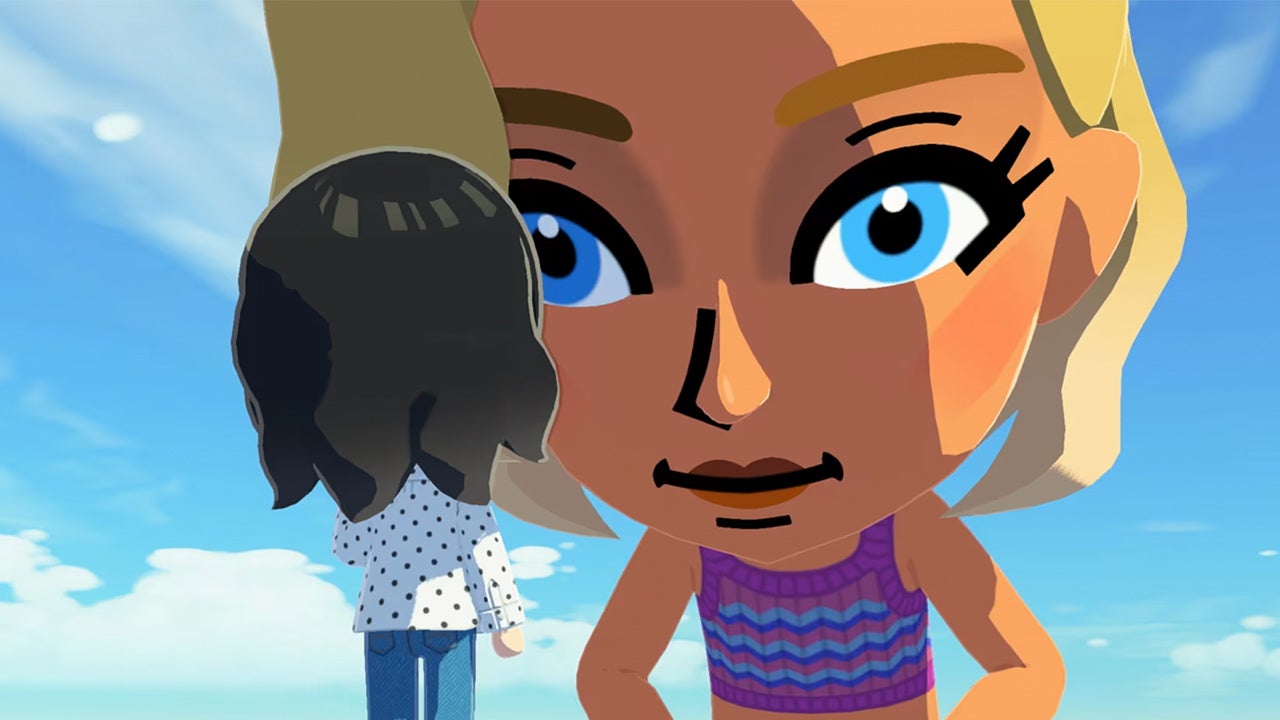
My island in Tomodachi Life: Living the Dream is a big, digital dollhouse. It’s brought to life by hilarious recreations of myself, my friends, celebrities, and fictional characters built with its in-depth Mii Maker. This Tomodachi Life: Living the Dream experience offers childlike fun to dress them up, feed them dinner, and meddle in their fictional romantic drama. Unlike a kid’s toy, each Mii has a life, mind, and uncanny voice of its own, resulting in a deeply funny and equally personal civilization simulator that constantly rewards your creativity.
The more ideas you give it, the more fun you get out of it as you form a colony of Miis that ends up being a direct reflection of you: your personality, inside jokes, and silliest suggestions. It spits out share-worthy clips like a factory – which is why I can’t get over how difficult (or impossible, in some cases) it is to share my favorite moments, characters, and creations. What good are toys if you can’t play with your friends, or at the very least show them off? It turns what should be an extremely social experience into a disappointingly isolating one, and that major issue puts a dark cloud over this otherwise delightful paradise.
The Mii Maker Overhaul vs. Social Isolation
Before you can observe your island residents, you have to create them, and a lot of my 35 hours in Living the Dream were spent designing Miis in its revamped version of the Mii Maker. If you’re coming straight from Tomodachi Life on 3DS, this is a big upgrade. It features lots of customizable hair options where you can mix and match styles for the bangs and the back, secondary hair colors, and far more flexibility when it comes to things like eye shape and pupil details. Oh, and Miis can have ears now! These custom characters look better than ever, as all of Tomodachi Life benefits from the jump to HD resolution with sharp graphics that still maintain the simplistic charm of the original.
I’ve never been the best at designing Miis, but thanks to the advanced capabilities of this new tool, I felt really great about the character I made for myself. However, I was also forced to get good at making Miis because sharing them with others is extremely limited. It’s restricted to local wireless, meaning you can only send a character you’ve made to someone in the same room.
This restriction creates a significant hurdle compared to previous entries:
- The 3DS Legacy: In the original Tomodachi Life, you could save any Mii to a QR code and post it online, allowing people around the world to scan it instantly.
- Current Limitation: The Switch version restricts sharing to local wireless only, an enormous downgrade that prevents global community interaction.
I’m not the most artistically inclined person out there, and I know lots of people planning to play Living the Dream will probably be in the same boat. I love so many of the Miis I’ve seen people making in the demo, but instead of feeling excitement when I see a fantastic creation online, I feel a pang of disappointment knowing there’s no way for me to get that exact character on my island. Sure, I could put in the work to try and recreate it myself, but I know my limitations: It just wouldn’t be nearly as good.
Workarounds for Importing Miis
Fun fact: Those 3DS QR codes I mentioned are still active, and there is one ridiculous workaround to bring ancient Miis from the internet into your new island. You can break out your old 3DS and scan a Mii QR code, copy that Mii to any amiibo you have laying around, scan the amiibo on your Switch, and finally import the Mii into your game. I added a bunch of my old 3DS Miis to Living the Dream this way, including official Nintendo-made Miis of Shigeru Miyamoto, Reggie Fils-Aimé, and many others.
If you’re one of the roughly two million people who bought the Switch remaster of Miitopia, you can smuggle Miis through its sharing tools, too. However, due to its unique makeup system, lots of them don’t transfer very accurately. In 2026, does it really make sense that the most reliable way to directly share Miis across the globe requires 15-year-old hardware, plastic toys, and a bunch of busy work? I don’t think so. It’s just sad that artistic ability puts a limit on your potential in Living the Dream in a way it really didn’t last time. To get the most out of it, you’ll have to love making Miis – or at least accept that you’ll spend a ton of your time in the character creator.
Building a Vibrant Island Community
It’s a shame Living the Dream stumbles in such a major way, because I adore the rest of it so much. Once you have a few characters roaming around – a huge improvement from the 3DS version where your island was a large menu instead of one interconnected space – it gets really fantastic. I started by adding myself, my fiancée, and two of my all-time favorite Major League Baseball players.
I’m so impressed by how accurate and detailed the personality customization is. By simply adjusting a few sliders, each Mii is assigned one of 16 personality types, and I found they captured the exact essence of the person I was recreating more often than not. For example, I was labeled as a Perfectionist with the following description: “Reserved. At a glance: aloof. Logical, tenacious, cautious. Speaks matter-of-factly. Imaginative and inspired. Happiest when creating something. Finds beauty in everyone and everything.” If you know me, that’s spot on.
Nintendo is also making good on a decade-old promise to make the next Tomodachi Life more inclusive than the last one. You can set pre-existing relationships to ensure Miis of real-world family members don’t fall in love with each other, and select pronouns and dating preferences. Treating your Miis well by feeding them food they like, gifting them clothes and treasures, or introducing them to others will increase their happiness and cause them to level up.
It’s a great loop: Seeing how they react to different items is fun on its own – if you give them a pet, you’ll often see them walking it outside – and the rewards for leveling them up allow you to personalize them even more. While the sharing limitations are frustrating, the core simulation of an island life where your creations have unique minds remains a deeply rewarding experience.