Could the removal of a single physical component — the brake pedal — mark the beginning of a new era in transportation, one where human drivers are no longer necessary? The Trump administration’s Department of Transportation (DOT) has proposed changes to federal vehicle regulations that would allow companies to skip including brake pedals in vehicles designed to be driven exclusively by automated driving systems. This move is seen by some as a regulatory breakthrough for firms like Tesla and Zoox, which are developing fully autonomous vehicles that do not include traditional steering wheels or pedals. If the proposal is approved, it could pave the way for a faster deployment of self-driving cars, reducing the need for companies to request exemptions for each new vehicle design.
A Shift in Regulatory Priorities
The proposed changes align with a broader trend of deregulation in the transportation sector. In recent years, the National Highway Traffic Safety Administration (NHTSA) has sought to streamline regulations for autonomous vehicles, including removing requirements related to windshield wipers, defogging systems, and tire placards. These changes are part of what NHTSA Administrator Jonathan Morrison has called "reimagining the regulatory framework" to support automated vehicle (AV) innovation.
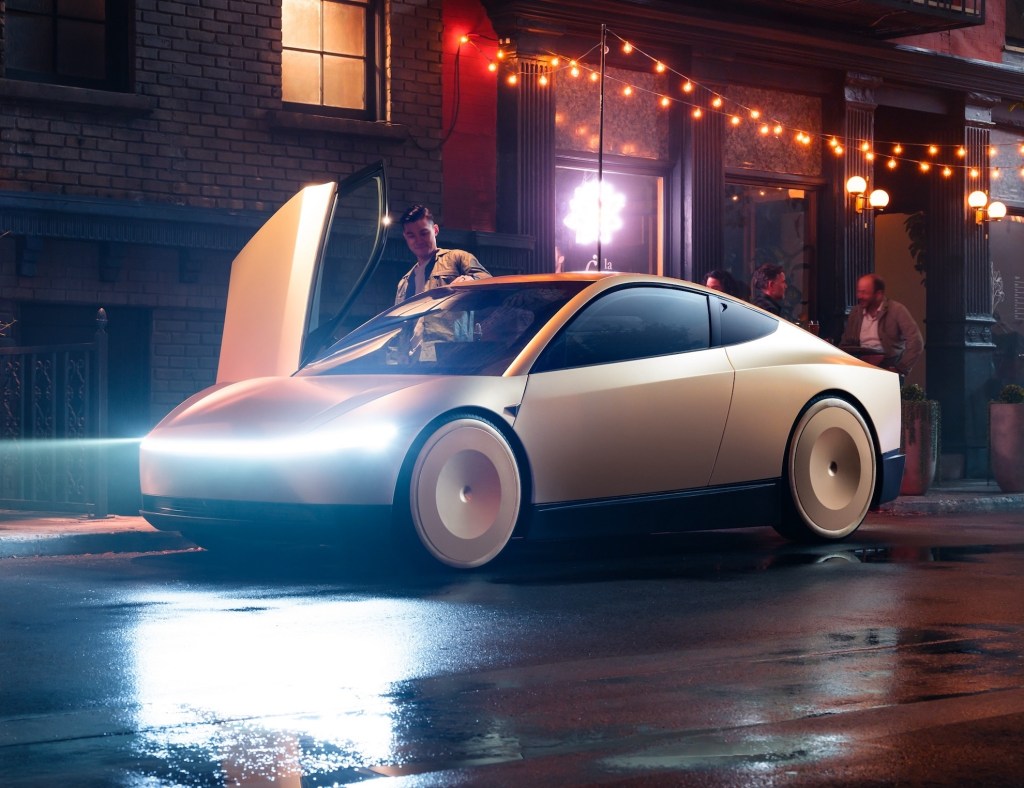
The implications of removing brake pedals are particularly significant for Tesla. The company has been working on its Cybercab, a two-seater designed for full autonomy, and has not pursued exemptions for its current models. Instead, CEO Elon Musk has emphasized the importance of regulatory approval for nationwide deployment. This proposal could eliminate a key hurdle in that process, potentially accelerating the company’s timeline for mass production.
The Road Ahead for Autonomous Vehicles
Tesla has already begun testing its robotaxi service in Austin, Texas, gradually phasing out safety drivers. Zoox, now under Amazon, has applied for exemptions to operate its purpose-built robotaxi, though it is still awaiting approval for commercial use. Companies using modified versions of traditional cars, like Waymo, have not faced the same restrictions, as their vehicles retain manual controls.
The proposal has sparked debate over safety and accountability. Critics argue that removing essential components like brake pedals could lead to unforeseen risks, while supporters see it as a necessary step to foster AV innovation. The 30-day public comment period is a crucial step in determining the future of these regulations.
As the race to develop and deploy fully autonomous vehicles intensifies, regulatory decisions will play a defining role in shaping the future of transportation. If the Trump administration’s proposal is adopted, it could signal a turning point — a moment when the line between human-driven and machine-driven transport begins to blur. The coming months will reveal whether this shift is a step forward or a leap into the unknown.