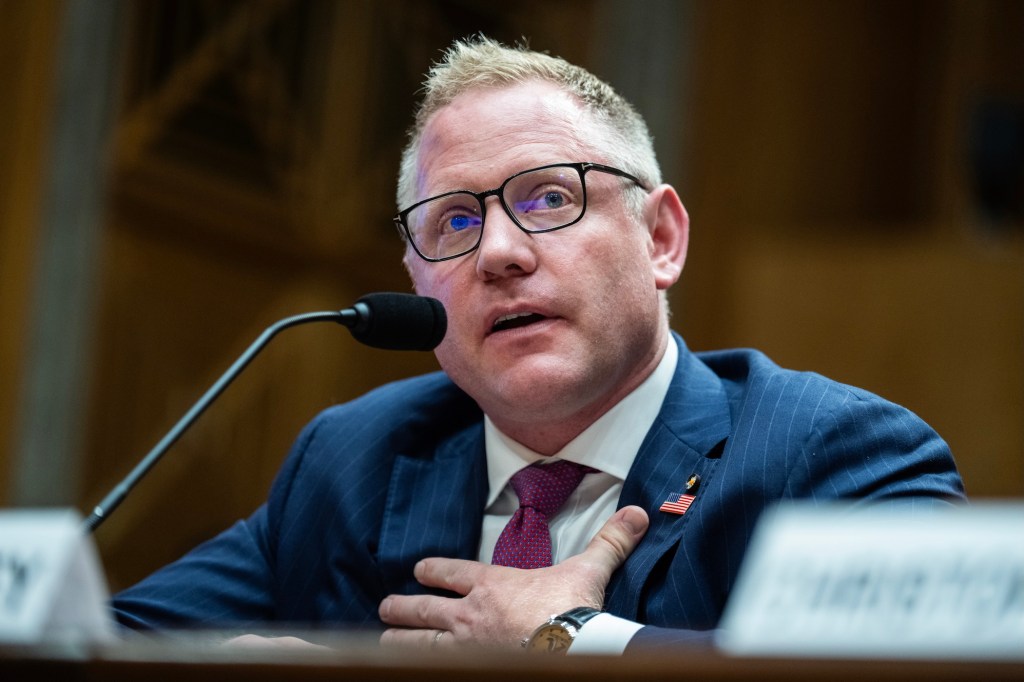
The cybersecurity landscape is facing intense instability as Trump's pick to run US cyber agency CISA has officially requested to withdraw from consideration. While the United States faces an era of unprecedented digital warfare, the institution tasked with coordinating its defense is struggling to secure even its most basic administrative foundation. The recent decision by Sean Plankey marks a significant setback in the effort to stabilize federal cyber defenses.
The Fallout of Trump's Pick to Run US Cyber Agency CISA Withdrawing
The withdrawal follows a protracted legislative battle that has left the agency's future in limbo. In a formal letter addressed to the White House, Plankey requested that the Trump administration rescind his nomination. He cited an insurmountable hurdle within the U.S. Senate, noting that a majority vote was no longer attainable after more than a year of navigating the confirmation process.
This deadlock was not caused by concerns over cybersecurity expertise, but rather by political friction involving unrelated maritime issues. Specifically, Senator Rick Scott (R-FL) reportedly leveraged his position to block the nomination due to a dispute regarding a Coast Guard contract.
The fact that a disagreement over a procurement issue could derail the leadership of the nation's primary cyber defense agency highlights the increasingly fragmented nature of federal appointments. This collateral damage from partisan politics leaves CISA without a permanent, Senate-confirmed leader at a time when continuity is most critical.
Leadership Volatility and Budgetary Pressures
The vacancy left by Trump's pick to run US cyber agency CISA adds to a growing pattern of leadership instability within the agency. Since the departure of Madhu Gottumukkala in February, Nick Andersen has been serving as the acting director.
This follows an equally brief and tumultuous tenure by Gottumukkala, who was appointed only to oversee the agency on a temporary basis for less than a year. This "revolving door" of leadership prevents the long-term strategic planning required to combat sophisticated state-sponsored actors.
CISA is currently navigating an operational environment defined by extreme resource scarcity and political scrutiny:
- Significant budget reductions, including a White House request to slash funding by more than $700 million.
- Persistent administrative hurdles, such as recurring government shutdowns and employee furloughs.
- Allegations of censorship stemming from the agency's previous efforts to mitigate election misinformation.
- Escalating external threats and a rising frequency of coordinated cyberattacks against U.S. infrastructure.
The Strategic Risk of a Permanent Vacancy
The absence of a permanent director creates a strategic vacuum that cannot be filled by acting officials indefinitely. While acting directors can maintain day-to-day operations, they often lack the political capital and long-term mandate necessary to drive large-scale policy changes or secure massive budgetary increases from Congress.
The administration’s push for budget cuts is framed by claims that CISA has overstepped its bounds, specifically regarding its role in monitoring digital discourse. These fiscal constraints are particularly dangerous when paired with the agency's mandate to protect critical infrastructure from increasingly capable adversaries.
As the administration decides on its next nominee, the agency remains in a state of defensive crouch, focused more on internal survival than external fortification. If incoming leadership cannot break this cycle of political obstruction and budgetary erosion, CISA risks becoming a hollowed-out version of its former self. The ability of the United States to defend its digital sovereignty depends on the institutional stability of the agencies tasked with that defense.