Two Massive Earthquakes Struck Venezuela. Thousands Are Feared Dead
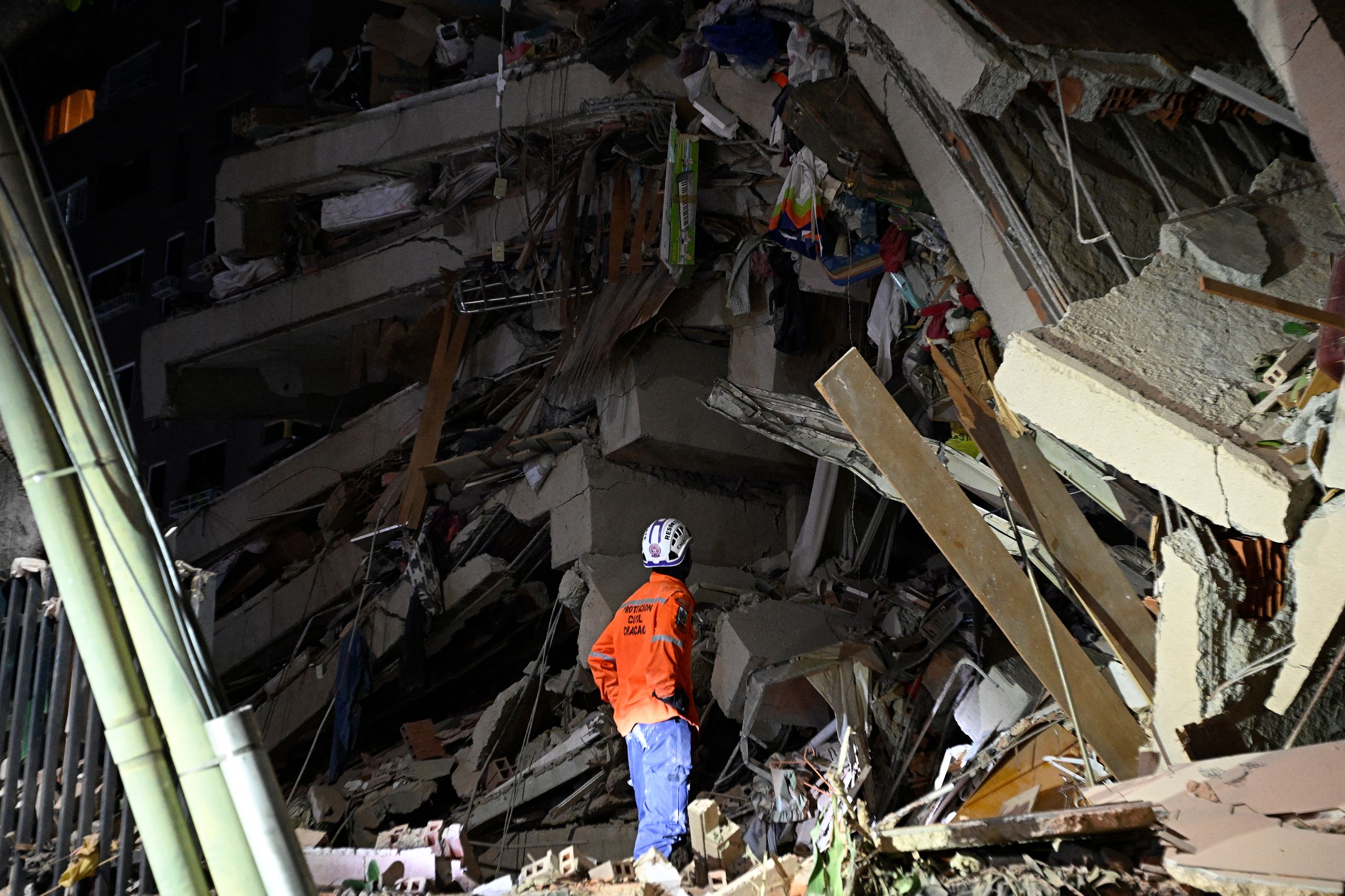
Venezuela has been left reeling after two powerful earthquakes, measuring 7.0 and 7.5 on the Richter scale, struck within less than a minute of each other on Wednesday evening. The quakes, the most significant to hit the country since 1900, have left thousands of people missing, with thousands feared dead and over 971 confirmed injured. The tremors were centered near the northwestern town of Yumare and were felt as far south as the capital, Caracas, where residents scrambled for safety as buildings collapsed and infrastructure crumbled under the force.
A Nation on the Brink of Collapse
Venezuela's vulnerability to natural disasters has been compounded by years of political and economic instability. The country’s crumbling infrastructure, poorly maintained buildings, and lack of emergency preparedness have worsened the impact of the quakes. According to the United States Geological Survey, models suggest the final death toll could exceed 10,000, a number that has been echoed by families who have reported more than 10,000 missing through a public website tracking those affected.
The quakes struck in the early evening, when many people were at home. The largest quake, measuring 7.5, was the strongest in the region since 1900. The country’s largest airport in Maiquetía was closed due to extensive damage.
Political Turmoil Adds to the Crisis
The disaster has collided with Venezuela’s ongoing political upheaval. Interim President Delcy Rodríguez, sworn in after the arrest of former leader Nicolás Maduro, declared a state of emergency and urged citizens to evacuate damaged homes. In a nationally televised address, she called for unity, asking medical professionals to report for duty and emphasizing the need for infrastructure recovery. The quakes have tested the resilience of a nation already strained by hyperinflation, food shortages, and a lack of basic services.
The US has responded swiftly, with Secretary of State Marco Rubio announcing the deployment of search and rescue teams, medical resources, and humanitarian aid. President Donald Trump pledged support through a post on Truth Social, describing Venezuela’s new leadership as “our new and great friends.” However, the effectiveness of international aid remains uncertain, given the country’s history of restricted access for foreign assistance and its complex political landscape.
A Call for Global Preparedness
The devastation in Venezuela highlights a growing global concern: the increasing frequency and intensity of seismic events due to both natural and human factors. While earthquakes cannot be predicted with absolute certainty, the lack of preparedness in regions prone to such disasters is a critical issue. The quakes in Venezuela serve as a stark reminder of the importance of earthquake-resistant construction, early warning systems, and robust emergency response protocols.
The situation has also sparked a broader conversation about the role of international cooperation in disaster relief. As climate change and urbanization continue to reshape the planet, the need for coordinated efforts to mitigate the impact of natural disasters has never been more urgent. The response to the Venezuela quakes will likely influence future policies on international aid, disaster preparedness, and the responsibilities of global powers in times of crisis.
In the coming days and weeks, the focus will remain on search and rescue operations, medical support, and the restoration of critical infrastructure. The world is watching as Venezuela faces one of the most severe natural disasters in its recent history, with the hope that the country can emerge stronger from the ruins.