How many times have we been told that real-world data is the most valuable asset for training autonomous vehicles? And yet, Uber is now preparing to collect it at an unprecedented scale.
A Fleet of Data Collectors, Not Ride-Hailers
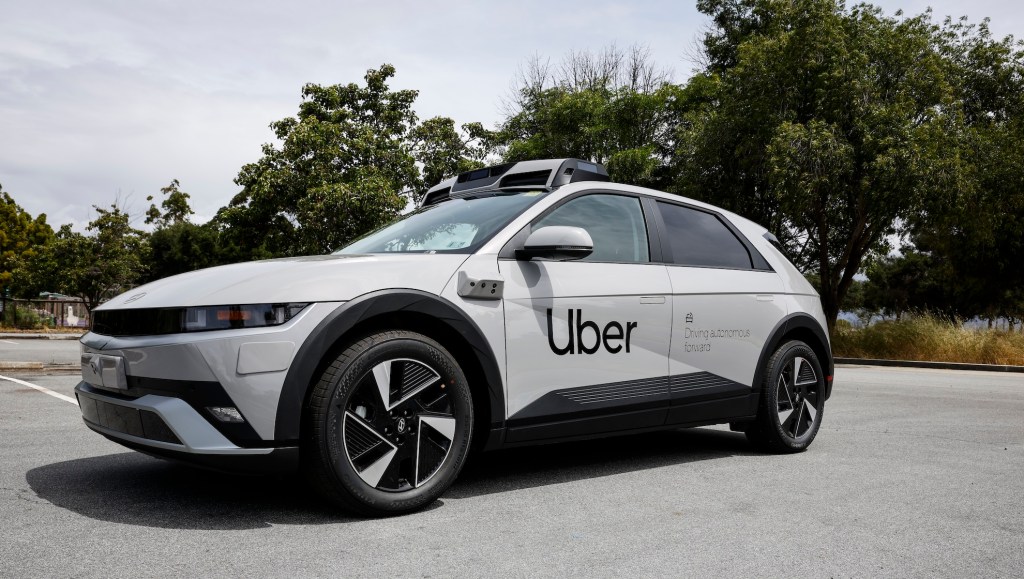
Uber’s upcoming deployment of 500 specially equipped Hyundai Ioniq 5 vehicles signals a major shift in the company’s strategy. These are not cars for passengers, but data collection units designed to feed the growing ecosystem of autonomous vehicle developers. The vehicles are outfitted with 14 cameras, eight solid-state lidar sensors, and nine radars, allowing for 360-degree, time-synchronized views of the driving environment. This level of detail is crucial for training machine learning models that must make split-second decisions in unpredictable conditions.
The retrofitting of these vehicles is being handled by Roush Performance, a firm known for its expertise in vehicle modifications. The data will be processed through Nvidia's Dual Drive Thor, a powerful autonomous vehicle computer that has already been used in multiple commercial and research projects. Uber’s willingness to evolve the sensor configuration as partner needs change suggests a flexible and adaptive approach to data gathering.
Why This Scale Matters
Uber's push into AV data collection is not just about volume—it’s about geographical diversity and real-world edge cases. The company has already amassed data from thousands of vehicles across dozens of cities, but the new Ioniq 5 fleet is intended to expand that dataset even further. This includes data from Lucid Air vehicles used by fleet partners in the U.S. and Europe over the past two years.
By focusing on real-world environments, Uber aims to provide AV developers with training data that includes everything from urban traffic chaos to rural road hazards. That’s a significant advantage over simulation-based training, which can often miss the nuances of unpredictable human behavior and environmental factors.
- The fleet will collect 2 million miles of data per month, a massive increase in the amount of real-world training material available.
- Uber’s AV Labs will analyze this data to improve the accuracy and reliability of autonomous systems.
- The company’s goal is to provide AV partners with a comprehensive, time-synchronized view of driving scenarios.
- This effort is part of Uber’s broader restructuring, including the launch of its Uber Autonomous Solutions division.
A New Era for Autonomous Vehicle Development
Uber’s move highlights a growing trend in the autonomous vehicle industry: the democratization of high-quality training data. Previously, only a handful of companies had the resources to gather and process such vast datasets. Now, with Uber’s initiative, a wider range of developers and startups can access the same level of detail, potentially accelerating the pace of innovation.
As the company ramps up its data collection efforts, it’s also positioning itself as a key player in the AV ecosystem. While it sold its self-driving division to Aurora in 2020, this new venture suggests that Uber remains deeply invested in the future of autonomous mobility, albeit through a different business model.
The coming months will determine whether this strategy pays off. If Uber can deliver a diverse, high-quality dataset to its partners, it could help bring the promise of autonomous vehicles closer to reality. For now, the world is watching to see if 500 data-hungry Ioniqs can truly drive the future.