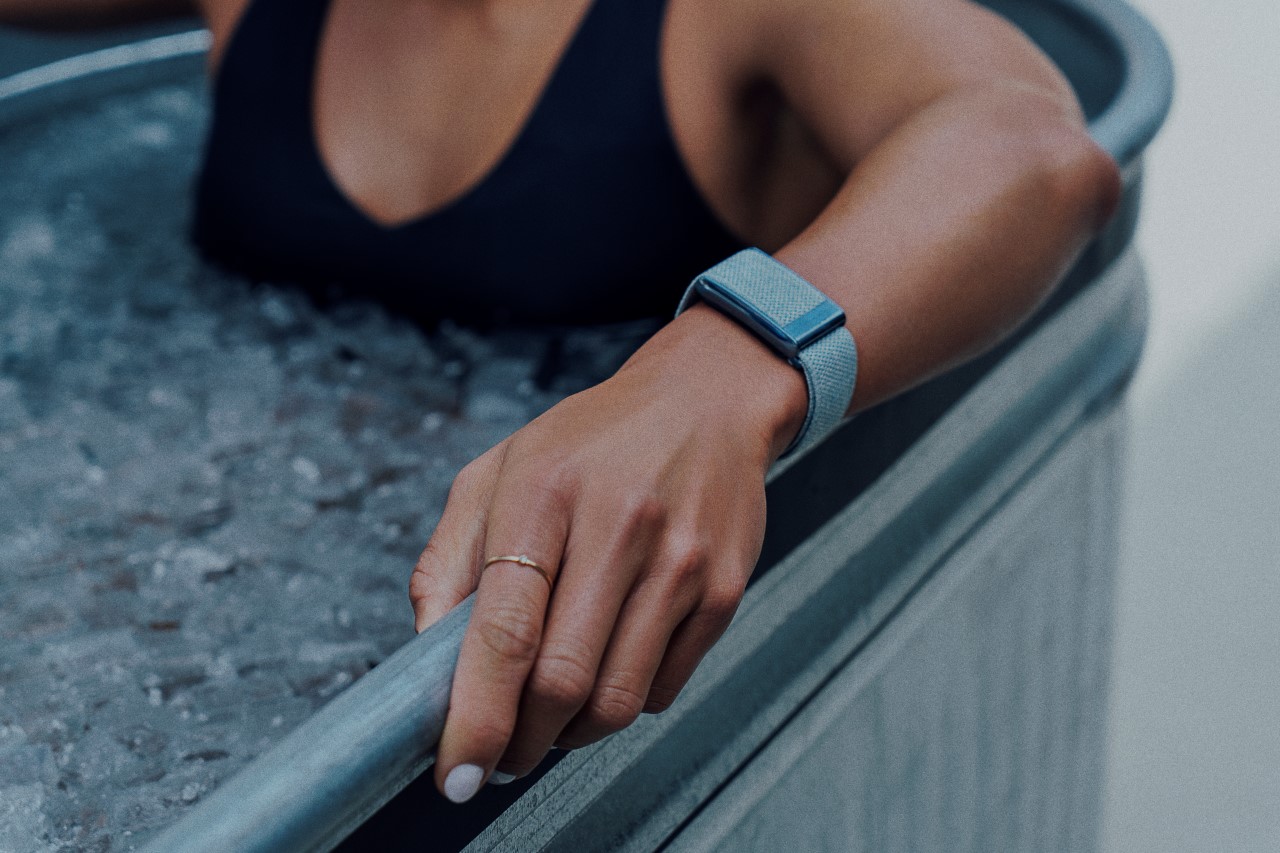
Google is shaking up the wearable market with a bold new concept: the Fitbit Air. Designed to compete directly with screenless fitness trackers like the Whoop band, this new device focuses on deep biometric insights without the distraction of a digital display.
Advanced Health and Fitness Tracking via Fitbit Air
The core appeal of the Fitbit Air lies in its ability to provide comprehensive, 24/7 health monitoring. By removing the screen, Google is pivoting toward a "set it and forget it" approach, allowing users to focus on data rather than notifications.
The device is packed with sophisticated sensors designed to track your body's most critical metrics, including:
- Continuous Heart Rate Monitoring: 24/7 tracking of your pulse and heart rhythm.
- A-fib Alerts: Specialized monitoring for irregular heart rhythms to provide early warnings.
- Blood Oxygen (SpO2) Levels: Essential data for understanding respiratory health and sleep quality.
- Recovery Metrics: Detailed insights into resting heart rate and heart rate variability (HRV).
- Sleep Analysis: Comprehensive breakdown of sleep stages and total duration.
A New Era of Screenless Wearables
By mirroring the functionality of premium screenless trackers, the Fitbit Air aims to bridge the gap between casual fitness enthusiasts and hardcore athletes. The focus shifts away from glanceable notifications and toward a holistic view of long-term wellness trends.
With features like heart rate variability and irregular rhythm detection, Google is positioning this device as a powerful tool for preventative health. Whether you are monitoring recovery after an intense workout or tracking sleep patterns, the Fitbit Air provides the deep-dive data necessary to optimize your physical performance.