Security Protocols in High-Stakes Diplomacy
Diplomatic travel involving adversarial nations consistently tests the boundaries of operational security and public perception. In contemporary U.S.-China relations, the interplay between symbolic gestures and tangible risks has intensified amid accusations of espionage, intellectual property theft, and covert data collection. The recent directive for travelers departing on Air Force One to discard gifts, pins, and burner phones underscores a recalibrated approach to OPSEC (operational security) in an environment where even minor oversights can yield significant geopolitical consequences.
Contextualizing the Directive
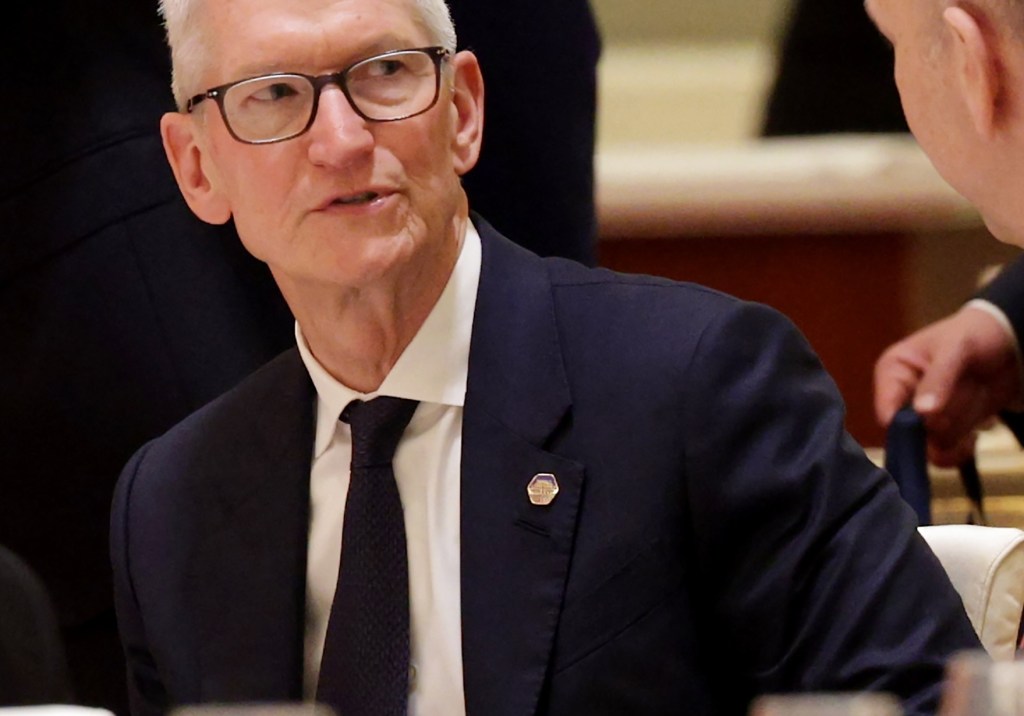
- White House officials and press personnel surrendered items such as burner phones, credential badges, and lapel pins before boarding the presidential aircraft.
- Gifts collected during meetings were reportedly disposed of in a bin at the stairwell area of Air Force One.
- Participants included high-profile figures: President Trump, Apple CEO Tim Cook, Nvidia’s Jensen Huang, and Secret Service agents.
- No official explanation was provided, though security considerations dominate similar protocols when state actors negotiate sensitive terms.
Rationale Behind Item Disposal
The removal of burner phones suggests acute concern over potential surveillance or data exfiltration. Burner devices are often designed for short-term use and immediate destruction once compromised, aligning with the cybersecurity posture required when engaging entities suspected of advanced intelligence operations. Pins and badges—while seemingly innocuous—could contain embedded tracking chips or unique identifiers, creating vectors for later exploitation.
Gifts, too, are not exempt from scrutiny. In diplomatic settings, objects exchanged can harbor hidden technology, serve as mnemonic devices for sensitive information, or simply provide covert communication channels. By discarding them preemptively, authorities reduce the risk of post-trip analysis that might reveal otherwise concealed intentions or affiliations.
Broader Implications for National Security
The episode reflects a pattern observed across multiple administrations: heightened vigilance against espionage risks in bilateral engagements with strategic competitors. Accusations from both sides regarding surveillance activities and cyber intrusions have fostered mutual distrust, compelling stricter internal controls within delegations. This operational discipline also signals to allies and adversaries alike that the U.S. prioritizes safeguarding classified information over ceremonial displays of reciprocity.
Moreover, the directive implicitly acknowledges that public perception must coexist with rigorous security practices. While officials may minimize discussion of specific threats, the visible disposal of items serves both a practical purpose and a communicative one—demonstrating that the government takes counterintelligence seriously without escalating tensions through overt confrontation.
Industry Trends and Operational Evolution
The increased emphasis on minimum essentials during diplomatic travel parallels emerging best practices across sectors where sensitive negotiations occur. Corporations engaging with foreign governments now routinely enforce stricter device hygiene, including mandatory factory resets or hardware wipes before journeys involving critical personnel. Similarly, defense contractors handling classified projects incorporate OPSEC training into standard operating procedures to preempt accidental leaks.
This evolution also highlights how modern diplomacy blends traditional protocol with cutting-edge security measures. As state actors employ increasingly sophisticated methods to extract intelligence, even minor objects become potential liabilities requiring systematic mitigation strategies. Such protocols extend beyond technology; they encompass attire, documentation, and behavioral norms designed to limit incidental disclosure of operational details.
Conclusion
While the directive may appear administrative on the surface, it encapsulates a strategic pivot toward proactive defense against evolving threats in an interconnected world. By enforcing stringent rules around personal items, officials reinforce institutional resilience without compromising the appearance of cooperative engagement. As U.S.-China interactions remain fraught with complexity, such measures serve as silent guardians—preserving national interests while navigating the delicate dance of diplomacy. Security cannot be assumed; it must be meticulously engineered at every level of interaction, from handshakes to hardware disposal.