Valve Clarifies Its Stance on Steam Machine Pricing and Open Systems
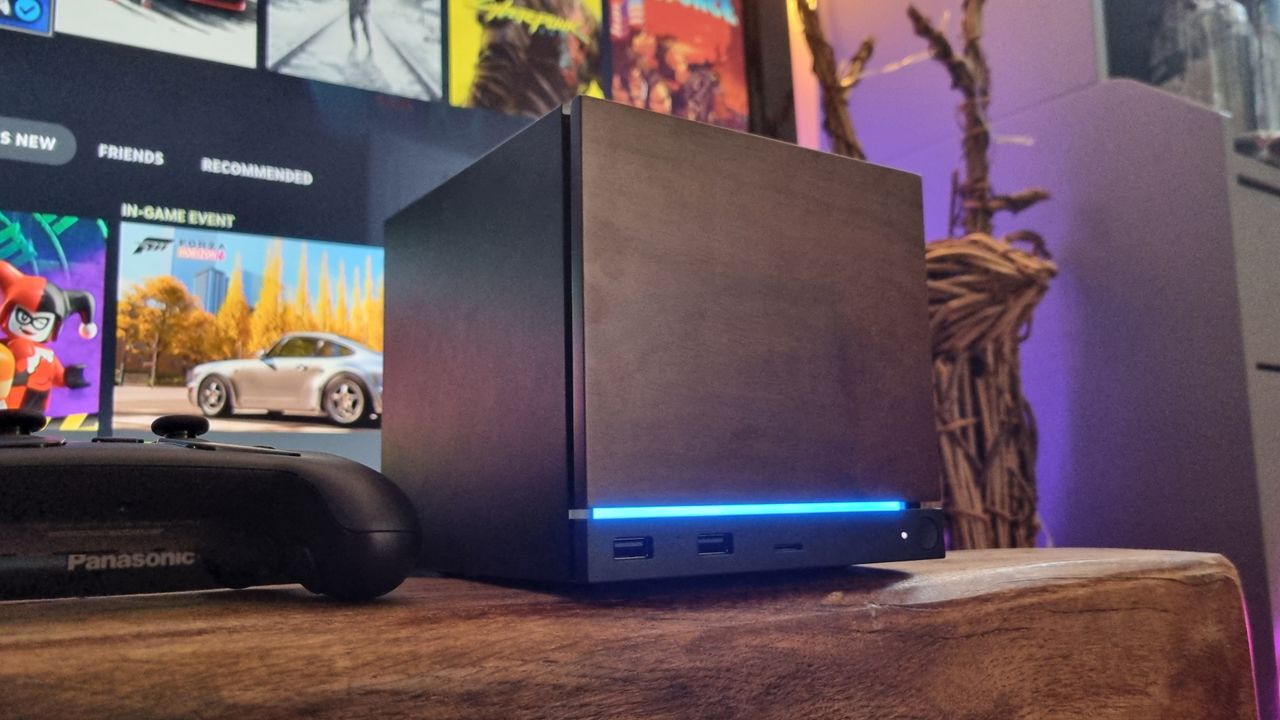
The Steam Machine has finally reached the hands of gamers around the world. Our detailed Steam Machine review is now live, and with it, we've confirmed the pricing for the gaming console. The SteamOS-powered device starts at a hefty $1,049. While Valve has acknowledged that the price is higher than originally expected due to ongoing supply chain issues in computing components, the company has also provided a reason for not subsidizing the hardware.
In a statement to The Verge, Valve explained that subsidizing the Steam Machine's price "might seem like an easy solution" for reducing costs, but it "doesn’t align with our beliefs about how healthy ecosystems are built." The company emphasized its commitment to open systems, which it believes are better for both users and developers in the long run.
Valve highlighted the openness of the PC ecosystem as a key driver of innovation. According to the company, this openness has allowed anyone with a new idea to contribute to the development of better hardware and software solutions. This belief is central to Valve's philosophy and is reflected in the design and marketing of the Steam Machine.
The Console Model vs. Open Ecosystems
It is common for console manufacturers to sell hardware at a loss, relying on additional sales from games, subscriptions, and accessories to make up the difference. For example, Nintendo reportedly sells the Switch 2 for less than its production cost, expecting to recover the loss through future game sales and services.
However, Valve argues that this model creates an ecosystem that is ultimately worse for consumers. In its statement, the company said, "When companies sell their hardware under cost for competitive advantage, or buy exclusive content for it, they’re doing that to build a more closed system, one where you don’t get to choose what software you want to use." Valve believes that this closed system is not in the best interest of consumers, who should be free to choose the hardware that suits them best.
Valve reiterated this philosophy in its Steam Machine launch announcement, where it rejected the idea of labeling the device as a console. The company emphasized that the traditional console model involves selling hardware at a loss and making up the revenue through subscription services or locked-in game sales. While this can be a short-term strategy for some companies, Valve believes that open ecosystems are more beneficial for customers in the long run.
The Openness of PC Gaming
Valve has long promoted the idea of open ecosystems, and its work on Linux gaming through the Steam Deck and SteamOS development is a testament to this. However, it's important to consider the company's position in the market. Valve operates a platform that many developers see as having a monopoly over PC game distribution. The company charges a 30% commission on game sales, a rate higher than that of its competitors.
This commission rate has implications for game developers and publishers, as it affects the sustainability of game development projects. When developers and publishers rely on Steam as their primary or exclusive source of games, they risk losing nearly a third of their sales in platform fees. If this percentage was lower, the selection of games on Steam might look very different.
While it's understandable that Valve doesn't want to sell hardware at a discount, the claim that this is for the sake of consumers should be approached with skepticism. The company's business strategies and market position may influence its decisions, and it's important to consider these factors when evaluating its statements.