Vercel CEO Guillermo Rauch Signals IPO Readiness as AI Agents Fuel Revenue Surge
The IPO readiness of Vercel has shifted from a speculative rumor to a concrete reality, driven largely by how AI agents are redefining the landscape of software deployment. As the industry watches closely, Vercel’s CEO, Guillermo Rauch, has signaled that the company is preparing for its next major milestone in public markets. This surge is not merely a trend but a fundamental shift where AI-generated applications are creating unprecedented demand for infrastructure.
With revenue projections climbing rapidly and new use cases emerging daily, the path forward for Vercel appears clear. The focus remains on AI agents as the primary catalyst for this explosive growth, positioning the company to dominate the hosting sector for autonomous software creation.
From $100 Million to a $340 Million Run Rate
The financial data supporting Vercel’s expansion is nothing short of remarkable. According to Forbes, Vercel’s annual recurring revenue (ARR) has surged from $100 million in early 2024 to a projected $340 million run rate by February 2026. This staggering growth stems directly from the proliferation of AI agents that are generating custom applications at an unprecedented scale.
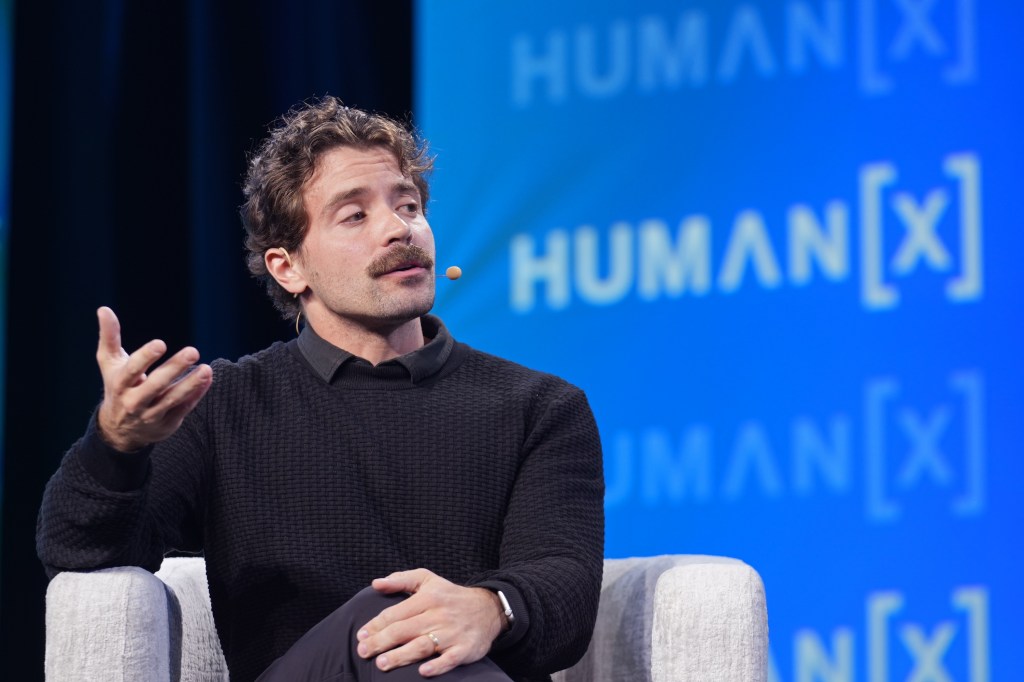
Rauch highlighted several critical market dynamics during his appearance at HumanX in San Francisco:
- AI Agent Deployment: AI agents are currently deploying apps, with 30% of these new applications running on Vercel’s infrastructure.
- Expanded Market Ceiling: The total addressable market for infrastructure has expanded without a ceiling, fueled by the endless possibilities of autonomous software creation.
- Frozen Venture Capital: General venture activity remains frozen across most sectors, with significant exceptions only for giants like SpaceX, Anthropic, and OpenAI.
This unique environment underscores why Vercel is seeing such rapid adoption while other players stagnate. The platform has become the inevitable destination for AI-generated infrastructure because it offers the velocity required by modern developers and non-developers alike.
A Platform Built for Velocity, Not Legacy Systems
At HumanX, Guillermo Rauch declared that Vercel is “very much a working public company.” When asked about an IPO timeline, he noted that the decision depends on daily progress rather than quarterly earnings reports. This approach contrasts sharply with most tech executives who remain silent amid current market uncertainty.
Rauch believes that “all of that software… needs to go somewhere,” asserting Vercel is the logical choice for the next wave of digital assets. The company’s recent $9.3 billion valuation from its September Series F rounds positions it to compete directly with industry titans like AWS and Cloudflare in hosting AI-native applications. A key driver here is the v0 tool, which enables non-developers to build web apps at scale, significantly accelerating user adoption.
The trajectory suggests that public markets are next for Vercel not because of hype, but because its business model has evolved from simply hosting code to powering the creation of autonomous software. The company is ready, and the market’s appetite for robust infrastructure solutions is no longer temporary. As AI agents continue to reshape how applications are built, deployed, and scaled, Vercel stands poised to lead the charge in this new era of computing.