Why the Shift? The Evolution of Warhammer 40,000: Chaos Gate - Deathwatch
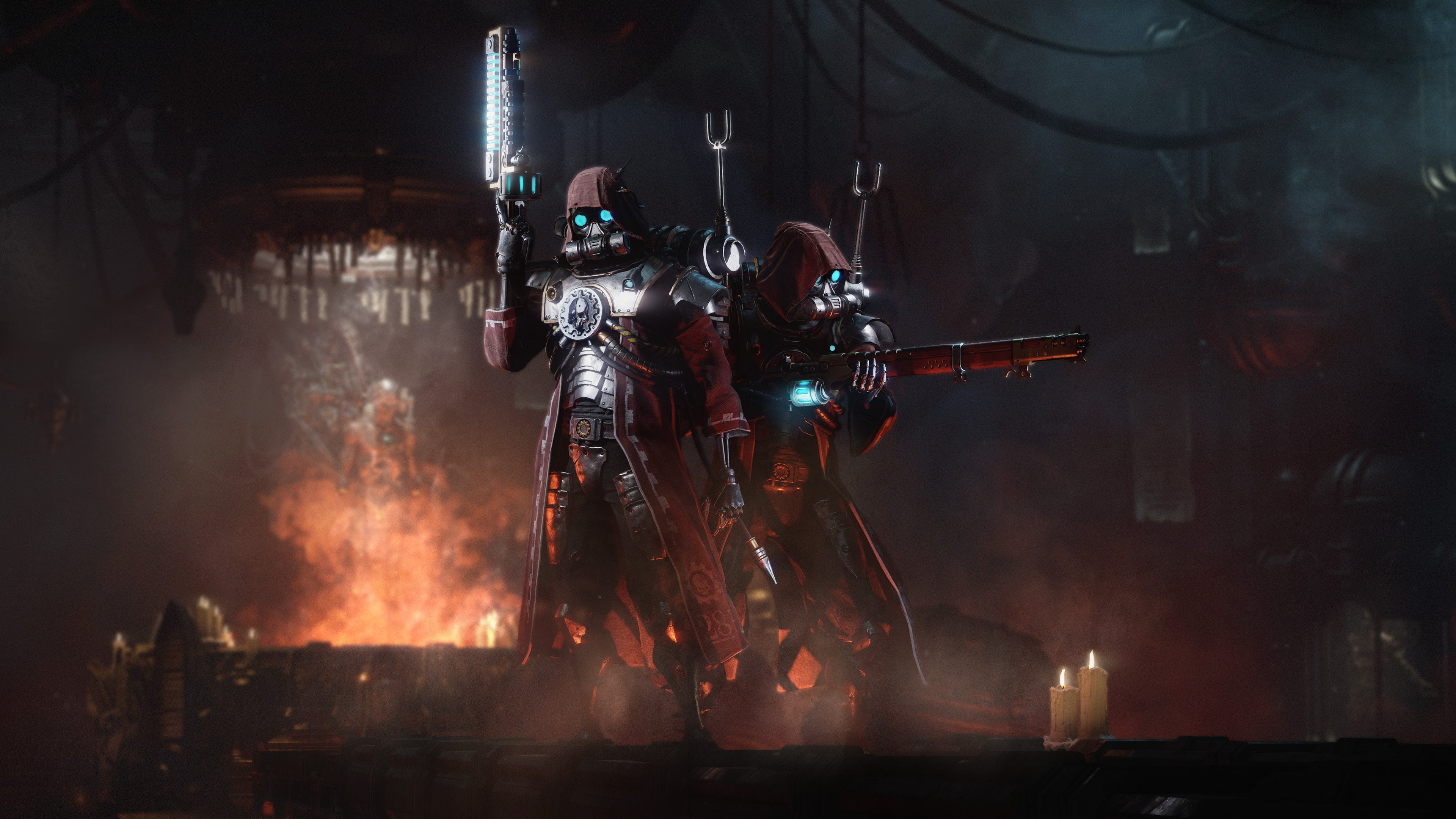
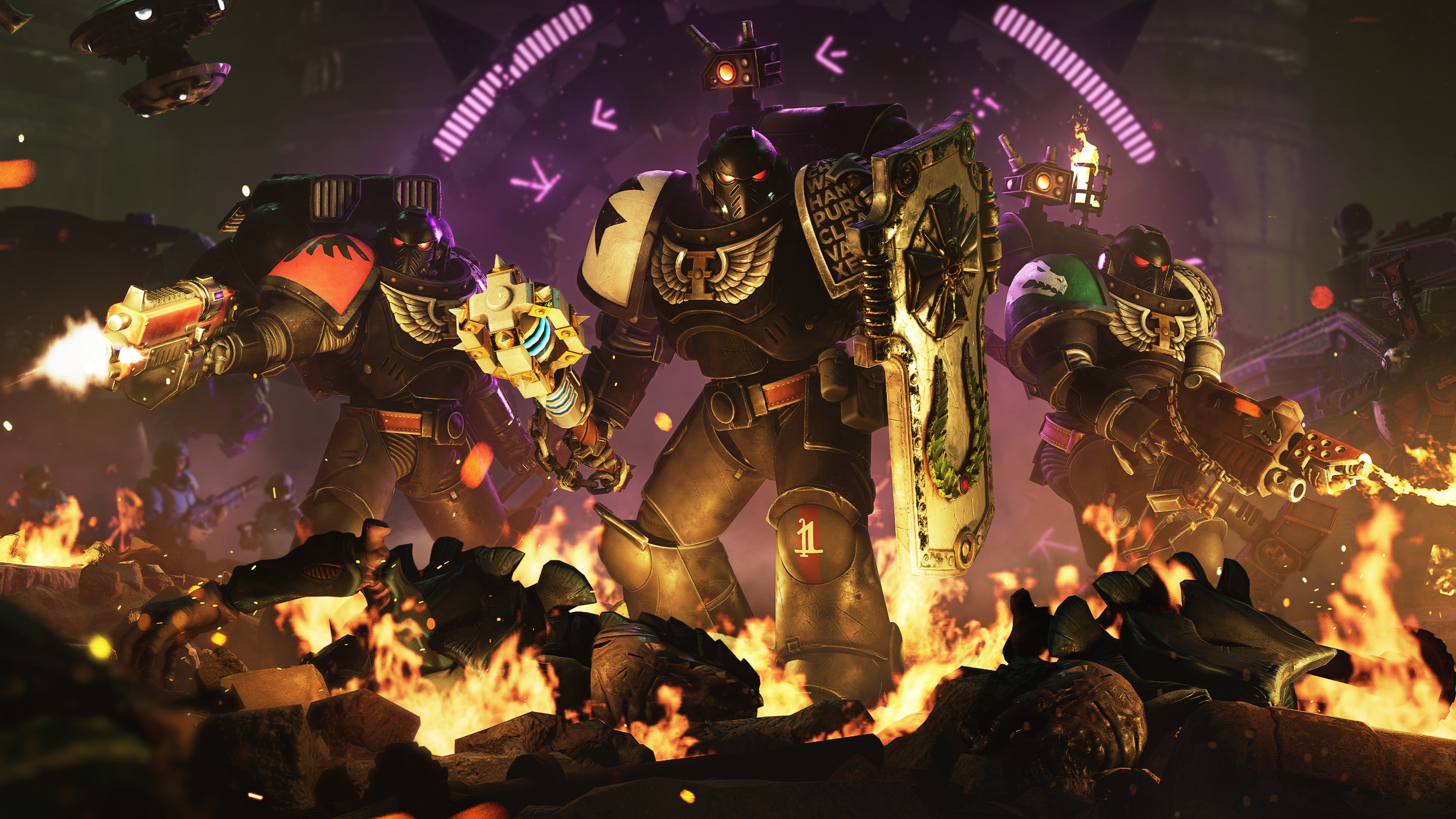
Warhammer 40,000: Chaos Gate - Deathwatch is perhaps the biggest surprise coming out of the Warhammer Skulls 2026 showcase. It’s the sequel to the well received strategy adventure Warhammer 40,000: Chaos Gate - Daemonhunters, a game I thoroughly enjoyed for its solid depiction of two of my favorite factions in the setting: the Grey Knights and the Death Guard. Deathwatch, though, goes bigger and harder in almost every way. As the name of the game reveals, the focus this time around is on the Deathwatch, Warhammer 40,000’s Space Marines mashup faction, which incorporates units from all the various Space Marine chapters into one Xenox-killing machine.
What Makes This Game Unique?
The interview with lead designer Peter Schnabl and producer Iain Stenhouse of Complex Games uncovers fresh details about how this title pushes the boundaries of the franchise. The focus remains on Warhammer 40,000: Chaos Gate - Deathwatch, delivering a richer Xenos experience.
- New enemy factions such as Orks and T'au expand the conflict.
- Unique units include Leman Russ tanks alongside Astra Militarum and Inquisition troops.
- Multiple playable classes offer both melee range and tank options.
New Units and Factions Reshape the Battlefield
The shift to an Inquisitor role allows seamless mixing of Deathwatch, Astra Militarum, and Inquisition units. Players can field up to eight units or fewer per mission, depending on tactical choice.
- The Leman Russ provides a bold presence on the battlefield.
- Squad deployment offers flexible strategic depth.
- Enemy Xenos forces range from classic Orks to advanced T'au armies.