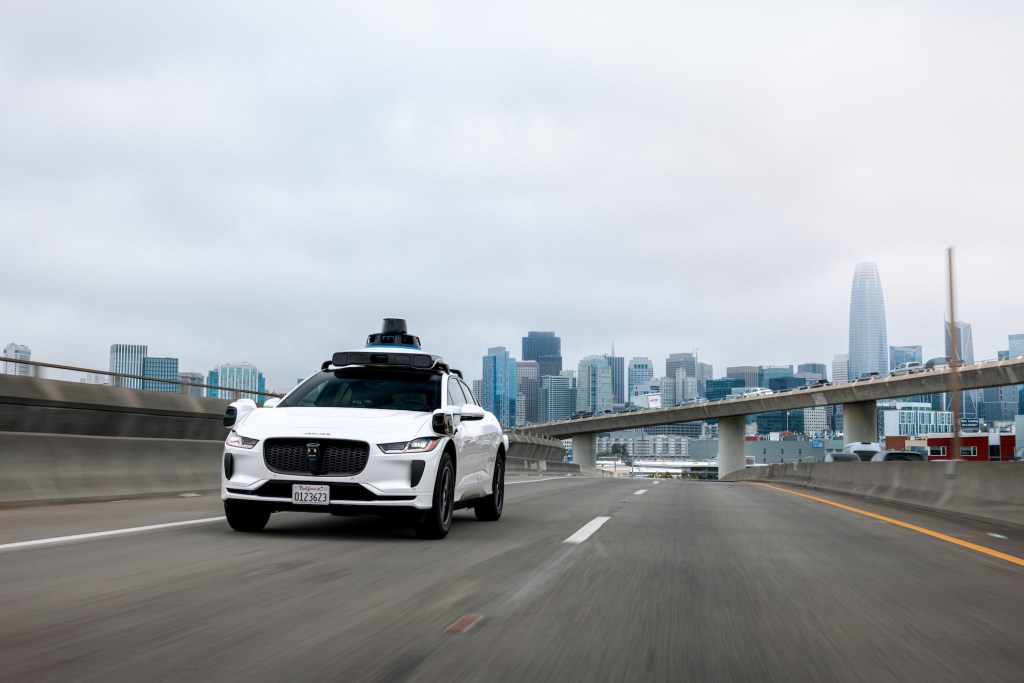
Waymo Halts Freeway Rides After Robotaxis Struggle in Construction Zones
A Waymo driverless minivan traveling at 70 miles per hour on a sun-baked Phoenix interstate does not slow down for the orange cones tapering into a lane closure. Instead, the vehicle’s sensors interpret the construction zone not as a temporary disruption requiring caution, but as a navigable path. This leads to potentially dangerous scenarios where the vehicle accelerates through gaps or hesitates unpredictably during merges.
For passengers, the experience creates a jarring dissonance between the promise of autonomous perfection and the chaotic reality of human-driven infrastructure. For Waymo, it represents a critical failure in its expansion strategy, forcing the company to immediately halt all freeway operations across its key markets: San Francisco, Los Angeles, Phoenix, and Miami.
The Infrastructure Problem: Why Construction Zones Break Autonomy
The suspension of highway driving marks a significant setback for the autonomous vehicle pioneer, which had only recently begun integrating high-speed routes into its service offerings in late 2025. These freeway capabilities were not merely a luxury add-on; they were the operational backbone required to make robotaxis viable in sprawling metropolitan areas.
The struggle with construction zones highlights a fundamental flaw in relying solely on high-definition maps and static sensor data. Freeway construction zones are inherently dynamic environments that defy standard navigation protocols. Key challenges include:
- Dynamic Obstacles: Cones shift, lane markings disappear, and temporary signs appear without digital corroboration.
- Precision Gaps: Standard GPS data is too coarse to provide the centimeter-level precision required for safe merging at highway speeds.
- Contextual Reasoning: The AI must understand the intent of construction workers, traffic flow, and legal implications in real-time, a leap from simple pattern recognition to true situational awareness.
Waymo’s recent software updates were designed to address specific edge cases, but the complexity of construction zones introduces variables that are difficult to scale. The company’s report that it is integrating "recent technical learnings" suggests the issue is not a single bug, but a systemic challenge.
Strategic Retreat Amidst Global Expansion
This pause in freeway operations occurs at a precarious moment for Waymo. The company has set an ambitious goal of reaching one million paid rides per week by the end of 2026, a target that requires aggressive expansion into new markets. However, the company is already grappling with other operational hurdles.
Just weeks ago, Waymo was forced to suspend operations in Atlanta and San Antonio due to flooding issues, requiring a separate round of software recalls and hardware adjustments. The simultaneous struggle with construction zones and weather events paints a picture of a company fighting to keep its infrastructure resilient against a chaotic world.
Without highway access, the utility of robotaxis in cities defined by sprawl, such as Los Angeles and Phoenix, is severely diminished. A robotaxi that cannot safely traverse major arteries like the 405 or Loop 101 is limited to short, local trips. This limitation forces Waymo to compete on a narrower playing field against traditional ride-hailing services that offer predictable access to highways.
The timing also complicates Waymo’s hardware rollout. The company is preparing to launch its new Zeekr-built robotaxi, internally code-named Ojai. This vehicle represents a new generation of hardware and potentially new software architectures. However, launching a new vehicle line while simultaneously retreating from key operational capabilities is a risky maneuver. It suggests that Waymo may be prioritizing breadth of coverage over depth of reliability, a strategy that could backfire if new vehicles inherit the same perception bugs in complex environments.
The Road to Resilient Autonomy
The halt of freeway rides is a clear signal that the path to full autonomy is steeper than anticipated. It underscores the reality that environmental complexity is not just a software problem but a physical one. To succeed, Waymo must do more than update its code; it must engage with municipalities to improve the standardization of construction zones or develop sensors capable of navigating the ambiguity of human-made chaos.
When a robotaxi "blasts through cones" or creates confusion for human drivers, it erodes public trust. Viral videos of Waymo vehicles behaving erratically in these zones serve as powerful counter-narratives to the company’s marketing. These incidents risk not only regulatory scrutiny but also consumer adoption. If passengers perceive the vehicle as unsafe in familiar environments like highway construction, the threshold for trying the service again becomes significantly higher.
For now, the company must focus on stabilizing its core operations. The suspension of freeway services is a temporary setback, but it is a necessary one. Continuing to force robotaxis into environments they cannot yet safely handle would be a far greater failure than a pause in service.