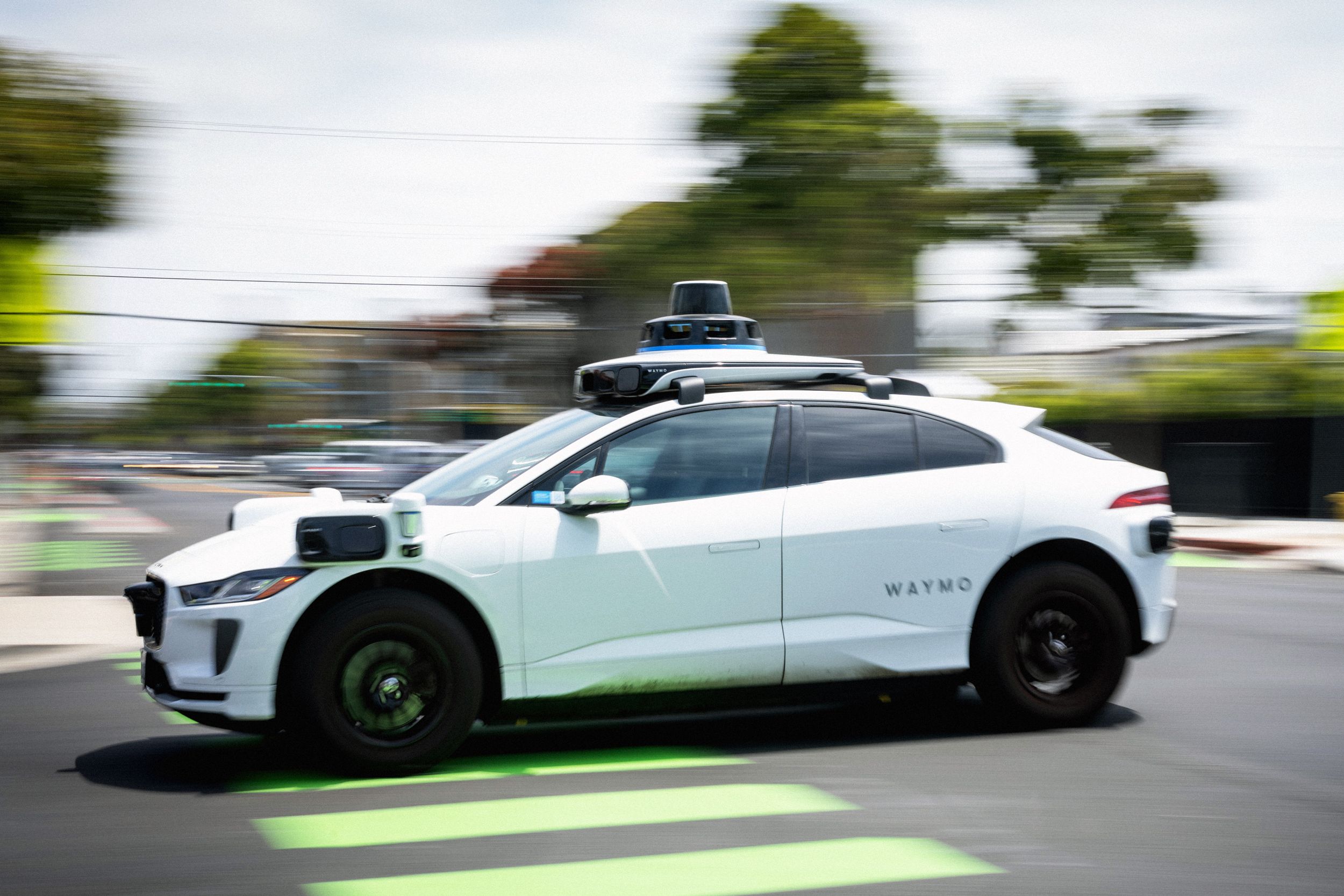
Imagine Richmond's streets transformed by humanity's first fully autonomous taxis. This spring, Virginia made a pivotal move toward the future of mobility by granting permission for Waymo—Google's former self-driving initiative—to deploy its robotaxis. The rollout depends on legislation that would legally sanction driverless vehicles on public roads, potentially rewriting the state's transportation narrative and positioning it as a hub for autonomous innovation.
Virginia Lawmakers Set Stage for Waymo Expansion
The legislative landscape is shifting, though hurdles remain. While the state Senate appears ready to advance the bill, the House has paused proceedings, delaying a decision that could bring Waymo self-driving cars into Virginia's suburbs and city centers. Lawmakers are wrestling with critical gaps in liability coverage, insurance requirements, and emergency response protocols.
Key points of debate include:
- Roadway infrastructure: Can current streets support sensor-heavy vehicles relying on high-definition mapping?
- Public safety: What standards govern interactions between robotaxis, pedestrians, cyclists, and human drivers?
- Economic impact: How will autonomous ride-hailing disrupt local businesses and the gig economy?
Proponents argue a clear framework attracts tech investment and creates high-skill jobs. Opponents cite risks of accidents, privacy violations, and uneven benefits across diverse regions.
Waymo's Strategic Rollout and Public Reaction
Waymo's approach to expansion is methodical. After establishing a foothold in Phoenix and the Bay Area, the company targeted the Mid-Atlantic for its regulatory flexibility and varied traffic environments, ranging from congested urban cores to rural stretches. Equipped with LIDAR, radar, cameras, and real-time neural networks, Waymo's fleet boasts an impressive safety record elsewhere.
Signs of preparation are already visible. By August 2025, a Waymo vehicle was spotted scouting routes on a Virginia highway, signaling active readiness. The company's CEO recently noted that autonomy requires rigorous localization and continuous learning rather than a one-size-fits-all approach.
Safety Concerns and Algorithmic Decisions
Public sentiment is being tested by real-world scenarios. A viral March 2026 Instagram clip showed a Waymo unit stalling at a busy Chandler intersection during a left turn, sparking debate on Reddit's r/nova. While critics highlighted the hesitation as a potential safety flaw, supporters viewed it as a deliberate algorithmic decision to ensure collision avoidance.
This incident mirrors broader concerns surrounding autonomous technology:
- Ethical algorithms: How do vehicles balance speed against risk in complex scenarios?
- Transparency: Are manufacturers sharing enough data for regulators to assess real-time decision logic?
- Public trust: Can the average commuter accept a vehicle capable of unpredictable actions?
Waymo has addressed these issues by releasing a safety protocol white paper and partnering with a local university to monitor performance in Virginia's unique traffic patterns.
Looking Ahead: A Roadmap for Autonomous Mobility
Although the bill remains stalled, Virginia's outcome could set a precedent for other states grappling with autonomous integration. Passing the legislation would force a reevaluation of traffic codes, insurance frameworks, and emergency dispatch protocols, creating a living laboratory where policy and technology evolve together.
For Waymo, this is a litmus test for its commercial model. Can a self-driving fleet maintain profitability while sustaining public trust? Success could accelerate deployments in neighboring hubs like Washington, D.C., and Baltimore, while setbacks might stall momentum nationwide. In the coming months, stakeholders will watch how lawmakers balance reduced accidents and increased mobility against the risks of untested tech on public roads, shaping the future of autonomous transportation across America.