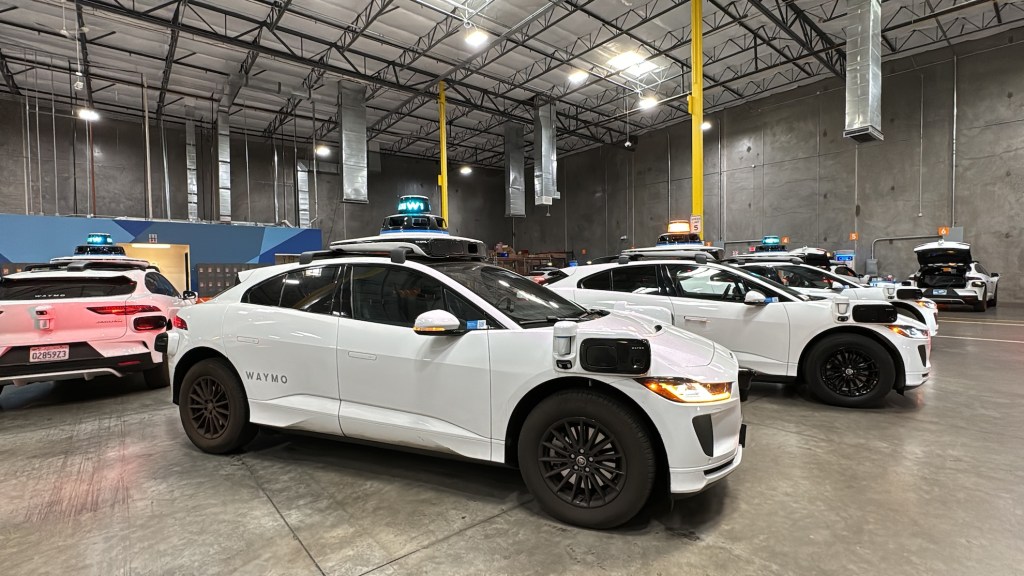
The integration of spent robotaxi batteries into electricity grid storage represents a pivotal shift in how autonomous vehicle technology intersects with energy infrastructure. As Waymo deploys thousands of electric robotaxis across the U.S., the lifecycle of these vehicles is increasingly coming into focus—not just in terms of their operational utility, but also their environmental and economic value after they've reached the end of their primary use. This development aligns with a broader industry trend of rethinking battery disposal and repurposing, driven by the urgent need to manage the growing volume of electric vehicle (EV) batteries in a sustainable way.
The Lifecycle of Robotaxi Batteries Gains Strategic Importance
Waymo’s collaboration with B2U highlights the growing emphasis on battery second-life applications. While the company has primarily used Jaguar I-Pace EVs for its robotaxi fleet, it is now introducing Zeekr-built vans, signaling a diversification in its vehicle platforms. This shift, however, does not change the central challenge: what happens to the batteries once these vehicles are retired? The answer, increasingly, is that they are not discarded but repurposed.
B2U is part of a growing ecosystem of companies that specialize in battery repurposing. These firms recognize that even when EV batteries no longer meet the performance standards required for automotive use, they still hold significant energy capacity that can be valuable in other contexts—such as grid storage. This approach not only extends the useful life of the battery but also reduces the environmental impact of raw material extraction and disposal.
- B2U focuses on repurposing rather than recycling.
- Waymo’s parent company, Alphabet, has investments in similar initiatives through Redwood Materials.
- The partnership is expected to deploy "hundreds of megawatts of storage capacity" in California and Texas.
A Strategic Move in the Energy Transition
The deployment of retired robotaxi batteries into grid storage systems is more than just a disposal solution—it is a strategic move in the broader energy transition. California and Texas, two states with high renewable energy adoption and significant grid instability, stand to benefit from the additional storage capacity. These batteries can help balance supply and demand, especially during peak times when solar and wind generation fluctuates.
This kind of repurposing is also economically viable. According to industry analysts, second-life batteries can be deployed at a lower cost than new ones, making them an attractive option for grid-scale storage projects. For Waymo, the partnership with B2U is a way to manage its fleet’s environmental footprint while contributing to a more resilient energy grid.
Looking Ahead: A Model for Future Mobility
As the number of robotaxis and other autonomous vehicles continues to rise, the need for sustainable battery management will only intensify. Waymo’s initiative with B2U could serve as a blueprint for other autonomous vehicle operators and EV manufacturers. It demonstrates a forward-thinking approach to sustainability that aligns with the increasing regulatory and consumer pressure to reduce waste.
The broader implications extend beyond just grid storage. If successful, this model could influence how future EVs are designed, with an eye toward modular components that can be easily repurposed or upgraded. It also underscores the growing importance of cross-industry collaboration in addressing the challenges of the energy transition.
In a landscape where the convergence of autonomous technology and renewable energy is accelerating, Waymo’s move signals that sustainability is no longer an afterthought—it is a core component of long-term strategy. As the company continues to scale its operations, the integration of second-life batteries into the energy grid may become a defining feature of its environmental impact and operational efficiency.