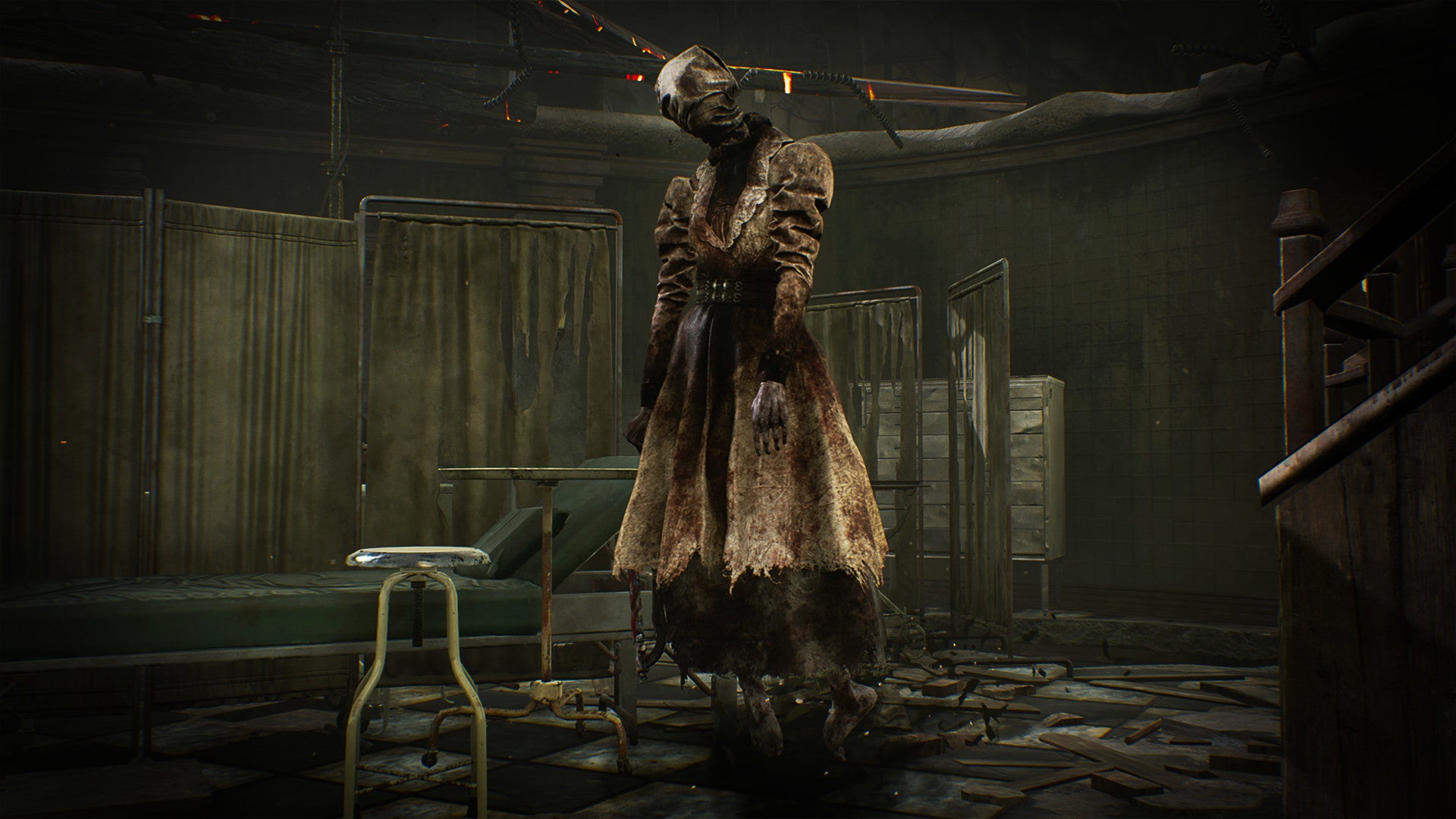
The developers behind the hit horror title Dead by Daylight have officially ruled out the creation of a sequel, stating they are fully committed to extending the life of the current game indefinitely. Speaking at the Game Developers Conference last month, Behaviour Interactive's Mathieu Cote and Dave Richard emphasized that their strategy focuses on continuous support, crossovers, and regular updates rather than launching Dead by Daylight 2. The team argues that while a sequel might be technically easier to build from scratch, it simply "never makes sense for the fans" who have already invested significant time and money into the existing ecosystem.
Why a Sequel Undermines the Fanbase Experience
During their discussion on the challenges of following up a super successful live service game, Creative Director Dave Richard admitted that the team has considered developing a sequel or a full remake at various points in development. Despite the allure of starting with a "blind slate," which would allow them to fix legacy issues without constraints, they concluded that abandoning the current player base is not an option.
"There's always a point where we say, okay, we could do a sequel now, and it would be far easier actually to do a sequel... But never ever does it make sense for the fans," Richard explained. He highlighted that players have poured resources into Dead by Daylight, creating a deep emotional and financial investment in the current version of the game.
Head of Partnerships Mathieu Cote reinforced this sentiment, noting that the community wants to continue playing the game they know rather than being forced to start over. "That's the game they want to play," Cote stated. The duo agreed that their priority is to ensure players feel they still get value for their money while continuing to have fun with the title.
Avoiding the Trap of Fragmented Audiences
When asked about other live service titles like Ubisoft's Rainbow Six Siege and Blizzard's Overwatch, which faced hurdles when introducing sequels, Cote pointed to examples where games have been successfully supported for years. He referenced the Payday 2 and Payday 3 saga as a prime example of longevity in the genre. However, he made it clear that Behaviour Interactive has no intention of juggling two versions of their game simultaneously or forcing players to purchase a new entry.
"It's also very possible to take your game and bring it kicking and screaming into the next decade," Cote declared. The studio is determined to ensure that anyone joining today, tomorrow, or next year feels like they are playing a modern title rather than a stagnant "nostalgia token." Their goal is to keep Dead by Daylight as a current, relevant game that makes sense in the present day without requiring players to restart their progress.
Balancing Innovation with Accessibility Concerns
The conversation shifted toward future technology, specifically referencing Xbox's Project Helix and the potential for new hardware architectures discussed during GDC talks. Both Richard and Cote expressed deep concern about the biggest hurdle in updating a live game: ensuring that technological advancements do not alienate their existing audience. They are acutely aware of how quickly Dead by Daylight could leave players behind if they were to adopt new engines or graphical standards without careful consideration.
Richard noted that moving to a new SKU or console must support Unreal Engine in a way that allows for seamless importation, ensuring no one is left out. "Who do we leave behind?" Cote interjected during the discussion on potential graphical reworks and effects upgrades. This question remains central to their development philosophy as they weigh the benefits of better visuals against accessibility.
The developers highlighted several critical factors influencing this decision:
- Hardware Costs: With AI demanding more from graphics cards, new machines are becoming prohibitively expensive for many players globally.
- Global Accessibility: In some regions, easily updating hardware is not feasible, making a hard technical shift risky.
- Community Retention: The team must ask if they are willing to lose a portion of their player base by forcing an update cycle that some cannot follow.
Ultimately, Richard and Cote remain hyper-aware of how their future choices could impact the community. They believe that while graphical evolution is interesting, it presents more challenges than opportunities at this time given the current economic landscape for gamers. The verdict is clear: Dead by Daylight 2 will not happen, but the original title will continue to evolve for as long as possible to serve its dedicated fanbase.
For those interested in further details on what makes a successful live service game or potential spinoff ideas the team has considered, the full Q&A with Mathieu Cote and Dave Richard will be published tomorrow by IGN. As senior reporter Rebekah Valentine noted, the focus remains on keeping the current experience alive rather than chasing a sequel that might fracture the community.