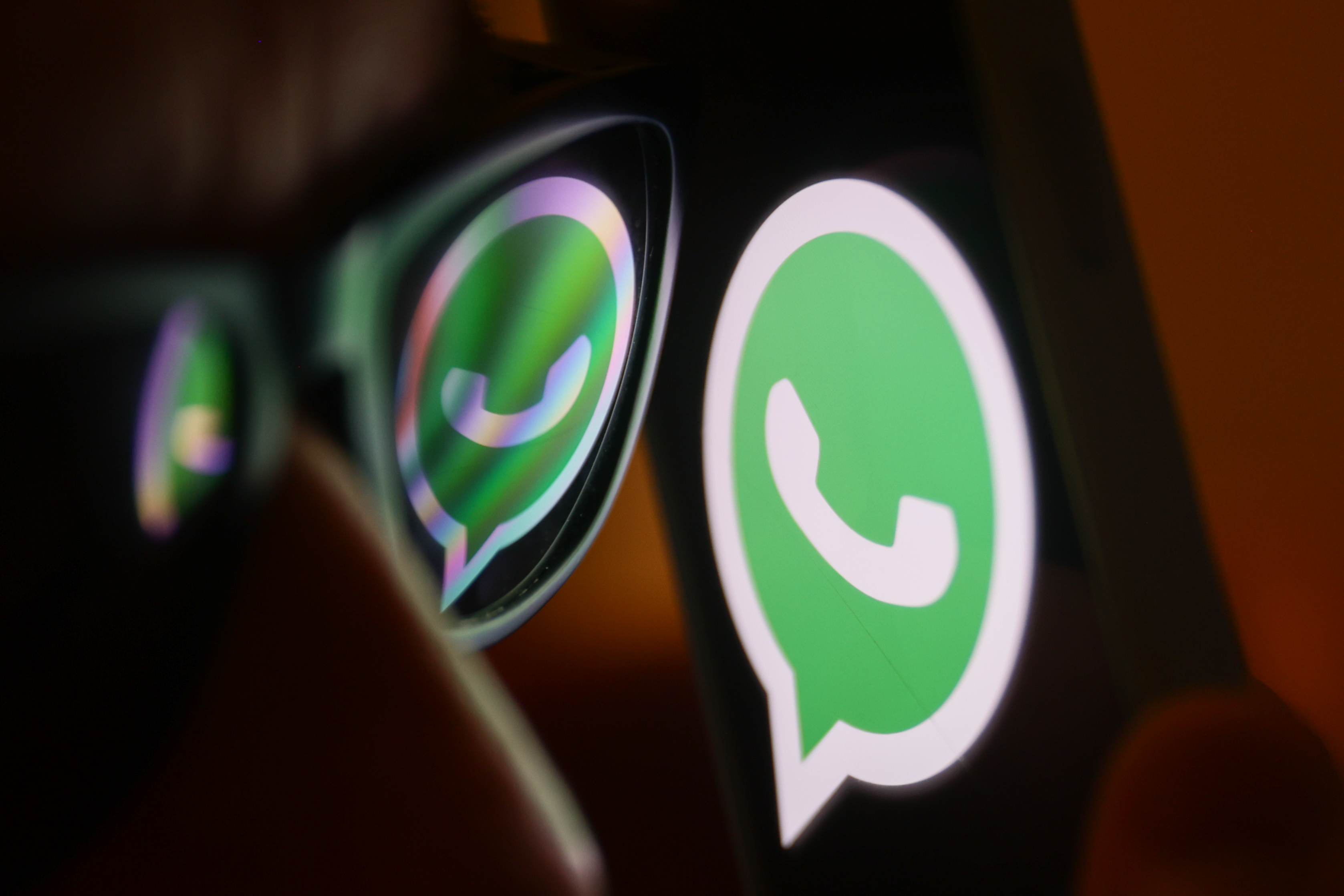
A platform built on the foundation of universal, free communication is now inviting users to pay for little more than a fresh coat of digital paint. While most premium software tiers promise enhanced security or increased storage, the emerging WhatsApp premium subscription appears focused almost entirely on the aesthetic. This shift marks a curious pivot for a service that famously abandoned its original $1 monthly fee in 2016 to prioritize massive global adoption.
What features does the WhatsApp premium subscription offer?
The testing of this new tier, recently identified by industry observers including social media consultant Matt Navarra, suggests that Meta is looking to monetize "power users" through personalization. Unlike competitors like Snapchat+, which often focus on exclusive lenses, the WhatsApp premium subscription emphasizes the visual environment of the chat interface.
The rollout includes several features designed to alter the look and feel of the application:
- Expanded pinned chats, increasing the limit from three to as many as 20.
- Customizable chat themes and organized chat lists.
- Personalized ringtones and specific notification tones for different contacts.
- Custom app icons to differentiate the premium experience on the home screen.
While the increase in pinned chats offers a tangible functional benefit, the bulk of the offering remains purely cosmetic. Notably, there is no indication that this subscription will provide an ad-free experience, even as Meta continues to integrate advertisements into the "Status" feature.
Meta’s strategy for aesthetic monetization
Meta’s move toward a tiered model comes during a period of significant financial momentum for its messaging wing. During the Q4 2025 earnings call, the company reported that revenue from its family of apps surged 54% year-on-year to $801 million. With WhatsApp’s annualized revenue run-rate already crossing the $2 billion mark, even a small-scale cosmetic subscription can contribute meaningfully to the bottom line.
The pricing for the test appears to be highly localized to maximize revenue across different economic landscapes. Early reports suggest the cost could sit around €2.49 per month in Europe, while in Pakistan, it is being tested at approximately 229 PKR ($0.82). This discrepancy highlights Meta's strategy of capturing value from high-income markets while maintaining a low barrier to entry in emerging economies.
A calculated experiment for the future
Because the rollout is currently limited to a small subset of WhatsApp’s 3 billion-plus user base, the immediate impact on Meta's balance sheet will likely be negligible. However, the experiment serves as a vital litmus test for how much users are willing to pay for digital identity and customization within a utility-focused app.
The broader implication for the industry is a move toward "tokenized" or "aesthetic" monetization. As traditional advertising becomes more intrusive—such as the recent introduction of ads in WhatsApp Status—the company may be testing whether users will pay for a sense of premium ownership. For now, WhatsApp Plus remains a low-stakes gamble on the vanity of the modern mobile user.