US Government Targets Foreign AI Distillation Efforts
The US government appears to be intensifying its scrutiny of foreign AI development. A recent White House memo, obtained by the Financial Times, suggests that China is engaged in deliberate, industrial-scale campaigns to distil US frontier AI systems. This move signals a potential new era of tension regarding intellectual property within the high-stakes artificial intelligence sector.
The White House reportedly intends to share intelligence with American firms to help them coordinate against these alleged operations. At the heart of this conflict is AI distillation, a process where a model is trained using the outputs of a more advanced model to replicate its performance and capabilities.
Addressing the Claim That China is Engaged in Industrial-Scale AI Distillation Campaigns
The accusations aren't just theoretical; major players in the US market have already flagged these tactics. Earlier this year, Anthropic accused several Chinese entities of conducting "industrial-scale distillation attacks" on their models.
The companies specifically named in these allegations include:
-
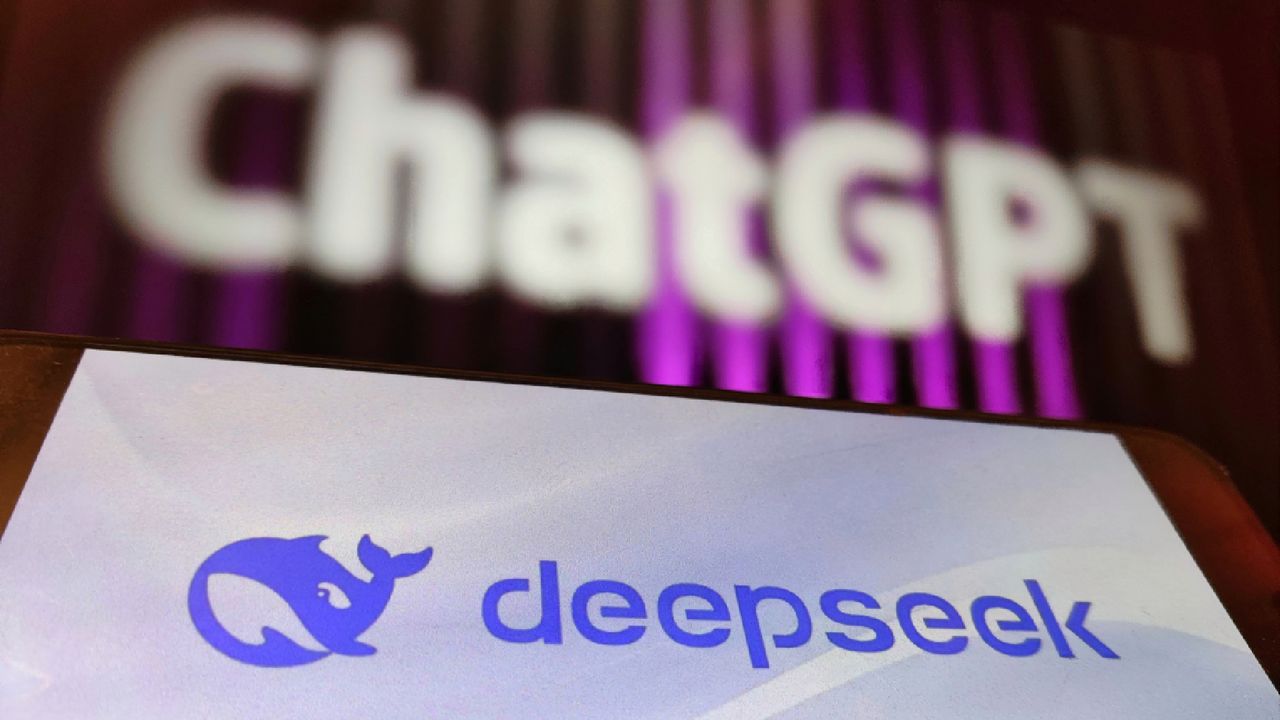
DeepSeek
-
Moonshot
-
MiniMax
Given that Anthropic has been in frequent discussions with the White House this month, it is likely that the company played a significant role in bringing the severity of these distillation issues to the government's attention.
Surveillance Tactics and Proxy Accounts
Beyond simple distillation, US officials are concerned about more aggressive methods of data extraction. Michael Kratsios, a prominent government science and tech adviser, reportedly stated that these Chinese operations are leveraging tens of thousands of proxy accounts to evade detection.
Furthermore, these entities are allegedly using jailbreaking techniques to expose proprietary information. To combat this, the US is exploring new measures to hold foreign actors accountable for intellectual property theft.
China's Response: 'Pure Slander'
The Chinese embassy in Washington has responded sharply to the White House's claim that China is engaged in deliberate, industrial-scale campaigns to distil US frontier AI systems. The embassy labeled the accusations as "pure slander" and maintained that "China attaches great importance to the protection of intellectual property rights."
The Role of PCAST and Tech Leaders
The stakes are high, especially given the influence of Michael Kratsios. As a top science and tech adviser who serves on the President's Council of Advisors on Science and Technology (PCAST), his insights carry significant weight. This group was recently re-established with several prominent business leaders, including:
- Mark Zuckerberg (Meta)
- Lisa Su (AMD)
Because this council includes the architects of modern computing, any memo regarding AI security will likely have direct impact on future US tech policy.
The DeepSeek Factor and Future Tensions
These concerns are expected to intensify following the recent launch of DeepSeek-V4. The new model has already made waves by offering a cost-effective 1M context length, demonstrating how rapidly foreign models are advancing in conversational memory and efficiency.
The release includes two notable versions:
- DeepSeek-V4-Pro: Featuring 1.6T total and 49B active parameters, rivaling the world's top closed-source models.
- DeepSeek-V4-Flash: Utilizing 284B total and 13B active parameters.
As these tools become more powerful and accessible, American AI companies will undoubtedly be looking to shore up their defenses to prevent further corporate copying.