The Day WCW Spent $400,000 on a Sub-Zero Rip-Off That Triggered a Lawsuit Threat
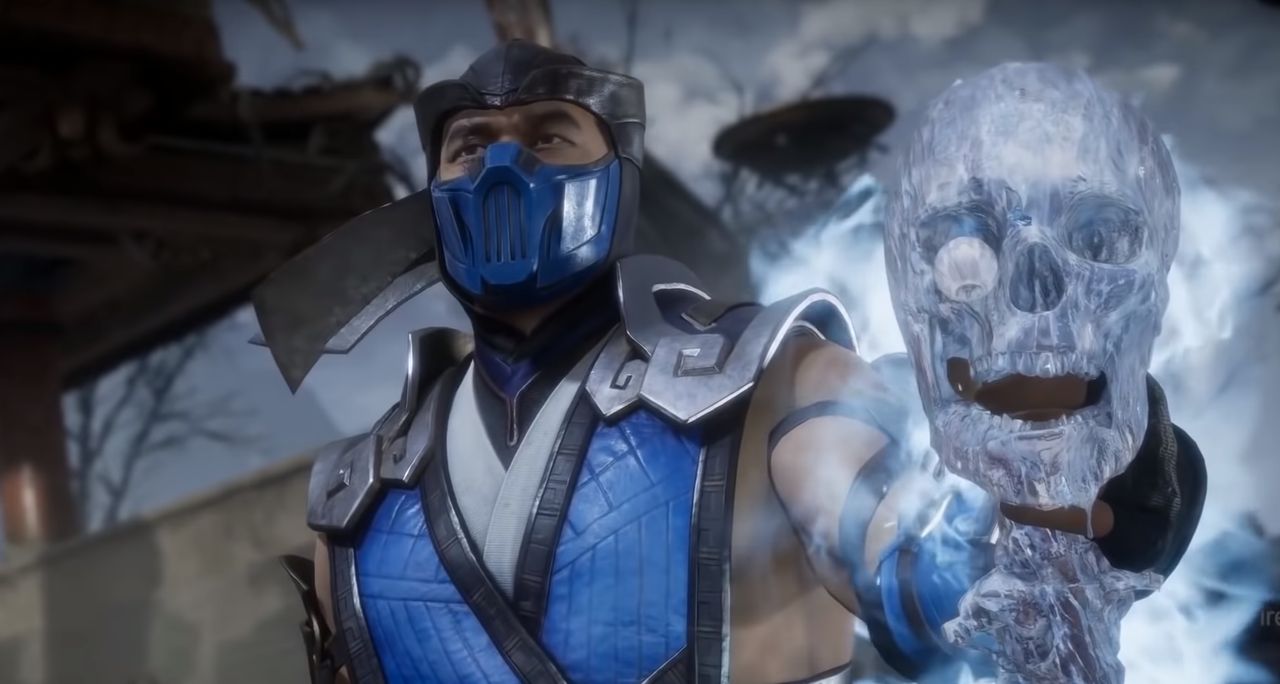
The history of World Championship Wrestling is littered with expensive failures, but few stand out quite like the moment they spent millions on a gimmick ripping off Mortal Kombat’s Sub-Zero. In an era defined by the "Monday Night Wars," WCW boss Ted Turner could afford to burn cash on vanity projects, leading to the creation of Glacier, a character that was essentially a live-action copy of the video game icon. This disastrous venture saw the promotion sink hundreds of thousands into pyrotechnics and custom costumes before Midway threatened to sue, forcing WCW to immediately abandon the idea in panic. As one insider later recalled regarding the legal threat, "We were gonna lose big, like real big."
The High Cost of a Video Game Gimmick
The mid-1990s saw WCW attempting to capitalize on pop culture by rebranding existing stars or creating new ones based on movie trends. After successfully transforming Sting into a gothic character inspired by The Crow, management looked toward the massive success of the 1995 Mortal Kombat film. This trend led them to Ray Lloyd, a legitimate karate champion and black belt who had returned from Japan with a martial arts-heavy style that fit their vision perfectly.
After a three-hour meeting where WCW President Eric Bischoff signed Lloyd without even seeing him wrestle, the production budget began to spiral out of control. The strategy was simple: let's capitalize off the popularity of Mortal Kombat by creating an ice-themed wrestler who could rival the game’s most famous character. To ensure authenticity (or at least a convincing imitation), WCW spent $35,000 with AFX Studios to design a Sub-Zero-style costume that was widely considered appalling even for wrestling standards.
The financial commitment didn't stop at the outfit; the ring entrance alone required a massive investment in special effects:
- Blue lasers were rigged to cover the entire arena floor.
- Fake snow poured down from the ceiling during his walkout.
- Specialized lighting illuminated the character as he theatrically removed his costume.
Lloyd later revealed that the full setup cost $400,000 upfront, with an additional $10,000 in technician fees required every single time the gimmick was deployed. This exorbitant spending occurred despite the fact that the promotion was already facing stiff competition from Vince McMahon’s WWF, which had to manage its own finances carefully while WCW burned through Turner's billions.
Naming Disasters and Legal Nightmares
Perhaps the most unbelievable aspect of this saga is how close WCW came to giving the character a name that would later become legendary in wrestling history. During the development phase, the creative team generated around 150 cold-themed names, with one contender being Stone Cold. In an alternate universe where WCW had chosen that moniker for Lloyd, they might have accidentally stolen the identity of Steve Austin before he even became a star. Instead, Bischoff pushed for the name "Cryonic," which colleagues considered even dumber than the eventual choice of Glacier.
The character's debut was plagued by poor timing and creative missteps from day one. Promotional vignettes released between April and September 1996 explicitly stole lines and imagery from the Mortal Kombat movie, with Glacier declaring, "In each of us burns the fury of a warrior," directly echoing the film’s line about the "soul of a warrior." Despite these heavy-handed attempts to build hype, the gimmick looked increasingly corny and cartoonish compared to the emerging reality-based success of Hulk Hogan's New World Order (NWO).
When Midway eventually noticed the infringement, the legal pressure was immediate. The situation escalated quickly as the company realized they were on shaky ground:
- Midway lawyers threatened a lawsuit for copyright infringement.
- WCW panicked, realizing the cost of litigation would be catastrophic.
- The gimmick was killed instantly, with no time to pivot or rebrand.
Lloyd recalled the moment he was summoned to Bischoff's office, describing it as a "principal calling you" scenario where he feared for his career. The company had sunk so much money into the character that they couldn't simply pull the plug quietly; instead, they rushed his debut on a lower-tier show against a jobber named The Gambler and began a mid-card feud with Big Bubba Rogers to get some in-ring time before the legal storm hit.
Ultimately, the Glacier gimmick stands as a stark reminder of WCW's spendthrift ways during the 1990s. While they could afford to waste millions on vanity projects, the threat of losing "big, like real big" in court was enough to make them retreat faster than any wrestler could run from a piledriver. The character failed to gain momentum, serving as yet another example of how chronically terrible creative decisions can derail even the most well-funded wrestling promotions.