The xAI Anthropic Deal Explained
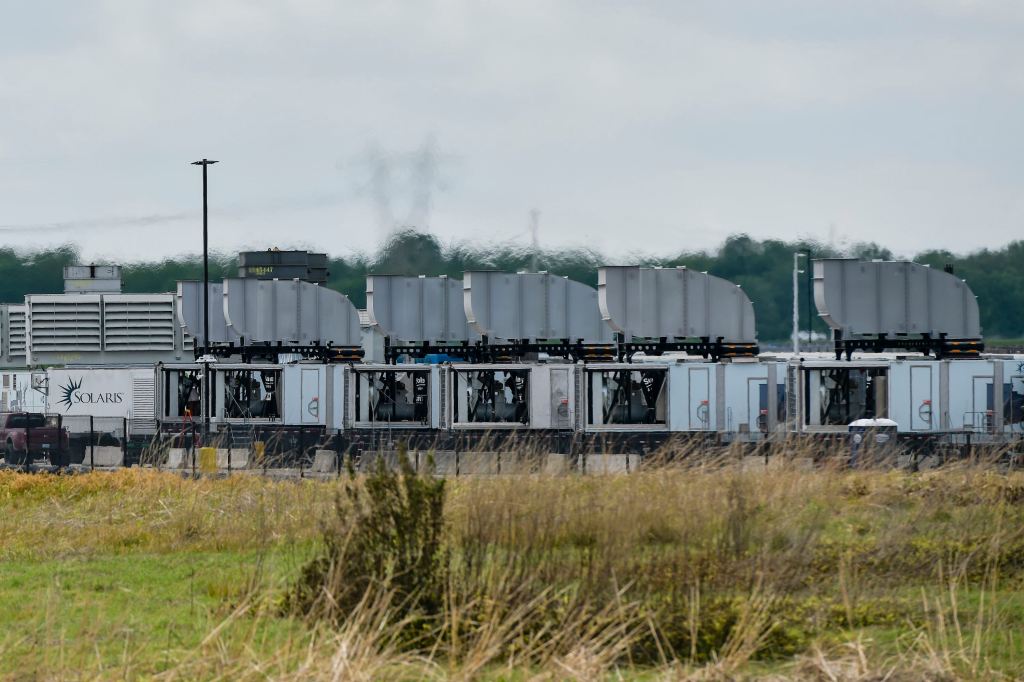
The latest xAI Anthropic deal has sent ripples through the tech sector, but the excitement is quickly giving way to skepticism. Anthropic has moved to acquire all compute capacity at xAI’s Colossus 1 facility in Tennessee, a massive infrastructure pivot that signals where the industry is heading. While this move positions Anthropic as a dominant neocloud provider through strategic infrastructure leasing, it also raises serious questions about long-term sustainability. Behind the polished press releases, the agreement suggests that proprietary model development may be taking a backseat to hardware monetization.
Market Reactions and Strategic Pivots
Investors and industry watchers are closely tracking how this partnership reshapes market expectations, and the consensus leans heavily toward caution. The transaction highlights several critical shifts in how AI companies are navigating the current arms race:
- Compute leasing dominance: Anthropic is prioritizing near-term revenue streams over long-term product differentiation, mirroring a broader industry trend where infrastructure monetization trumps frontier research.
- Internal instability at xAI: Reports of leadership upheavals, executive departures, and a chaotic rebranding push under Elon Musk’s “SpaceXAI” framework point to significant operational volatility.
- Investor sentiment risks: Many view the arrangement as a preemptive IPO maneuver rather than organic growth, questioning whether leased compute alone can sustain valuation narratives while core products like Grok remain dependent on third-party solutions.
Technical Hurdles and Operational Realities
Relying on rented infrastructure creates structural dependencies that complicate any path to true market differentiation. While competitors pour billions into custom silicon and proprietary training pipelines, this partnership risks commoditizing critical resources without generating unique intellectual property. On top of these technical constraints, the Colossus 1 facility is already facing regulatory scrutiny and environmental litigation, introducing friction that corporate messaging conveniently overlooks. These operational headwinds threaten to slow momentum just as the company attempts to scale its operations.
What This Means for xAI’s Future
Short-term financial stability might see a temporary boost from compute sales, but long-term viability depends entirely on overcoming current technical bottlenecks. Without demonstrable advancements in model architecture or deployment efficiency, the agreement risks becoming a symbolic gesture rather than a genuine strategic victory. Stakeholders should closely monitor execution fidelity, especially given recurring concerns about Grok’s market adoption and the scalability of leased infrastructure. Until xAI proves it can deliver meaningful innovation beyond hardware leasing, the prevailing cynicism remains entirely justified. Capital markets are no longer buying temporary revenue streams; they demand substantive progress.