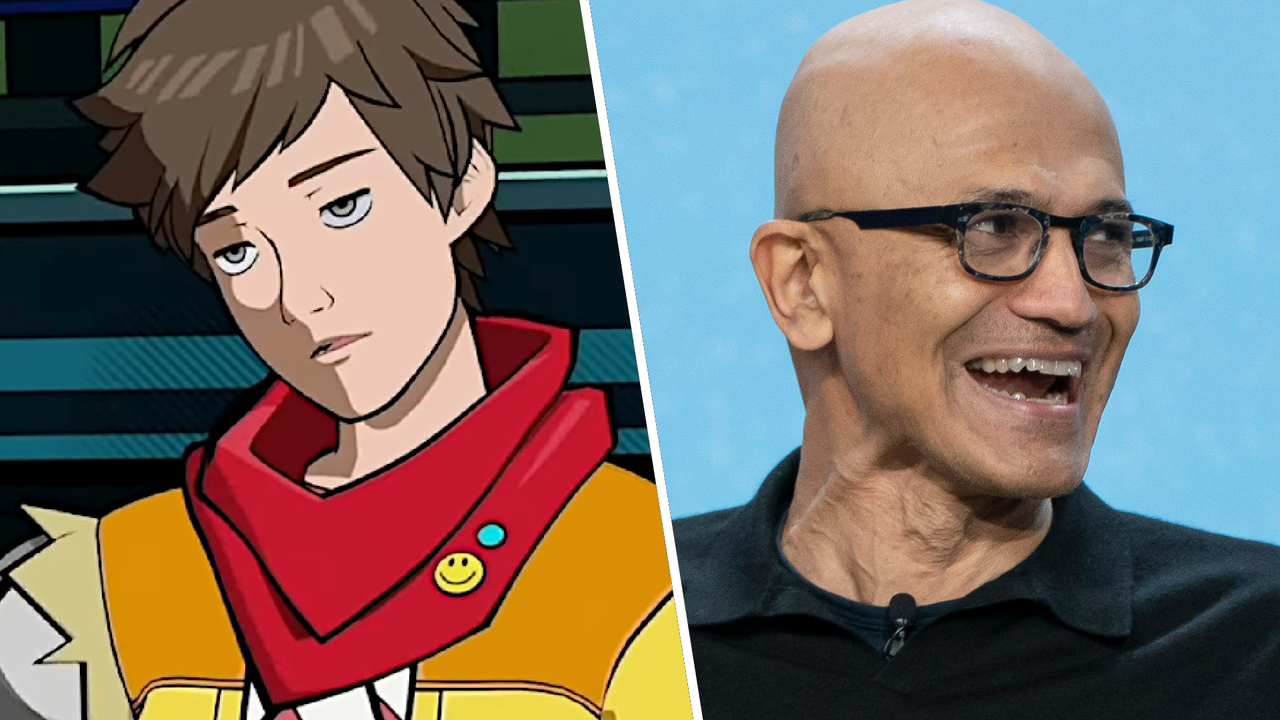
Microsoft's Xbox Facing Layoffs, CEO Blames Insufficient Monetization of Games
As Xbox faces potential layoffs, Microsoft CEO Satya Nadella has pointed to a different issue: the company's games are not being monetized effectively. This comes after Xbox CEO Asha Sharma announced a "reset" for the division, signaling a shift in strategy. Nadella's comments, made during a recent New York Times event, highlight what he sees as a core challenge for Microsoft—the lack of economic sustainability in its game publishing model.
Nadella stated, "The challenge we have is we’ve not been monetizing that entertainment. In fact, if anything, we’ve been subsidizing that entertainment. In fact, there’s more monetization of Xbox games happening on YouTube than at Microsoft." His remarks suggest that Microsoft is not capitalizing on the full potential of its Xbox brand, despite major investments like the $68.7 billion acquisition of Activision-Blizzard.
This line of thinking feels familiar, echoing past criticisms of Nadella's approach to AI and the broader tech industry. The idea that Microsoft is struggling with monetization has been a recurring theme, and it seems to have led to a series of difficult decisions, including the cancellation of long-running projects and layoffs across the company.
Nadella did clarify that Microsoft is not abandoning its core mission: "That doesn’t mean we go do things that are unnatural. We want us to do what is really our job, which is to build great games, build great hardware, but we’ve got to do it in an economically sustainable way." His comments suggest that Xbox is undergoing a re-evaluation of its publishing and hardware strategies, with Asha Sharma leading the charge to ensure that the division meets fan expectations.
The Industry's Monetization Dilemma
Nadella's concerns are not unique to Microsoft. The broader video game industry is grappling with the same issue—how to monetize games in a way that is both profitable and sustainable. Raph Koster, a veteran game designer known for creating Ultima Online and Star Wars: Galaxies, has pointed out the dramatic increase in game budgets over the years. In 1997, Ultima Online had a budget of $2 million, while Star Wars: Galaxies in 2003 cost between $10 and $12 million. By 2004, World of Warcraft had a budget of $63 million, and Star Wars: The Old Republic exceeded $200 million.
This trend highlights the growing financial demands of game development, especially in genres like MMOs (Massively Multiplayer Online), where long-term investment and maintenance are crucial. Mark Darrah, a former BioWare producer, has also spoken about the challenges of finding a sustainable monetization model for video games, suggesting that the industry may need to look to other forms of entertainment, such as movies, for guidance.
Despite these insights, it's unclear whether Microsoft will be the one to solve the monetization puzzle. With Nadella's focus shifting toward AI and other technological advancements, it remains to be seen whether Xbox will be able to maintain its position in the video game industry.
The Cost of Resetting Xbox
While Microsoft may be reevaluating its approach to Xbox, the impact of these changes is already being felt. Several high-profile projects have been canceled or delayed, including Project Blackbird, Blizzard's survival MMO, and Tango Gameworks' Hi-Fi Rush. Even Arkane Austin, known for titles like Dishonored, has faced uncertainty.
These cancellations raise concerns about the future of Xbox's creative output. While Microsoft may be looking for a more sustainable path forward, it's difficult to ignore the potential loss of innovation and talent that could come with these changes. As the industry continues to evolve, it remains to be seen whether Microsoft can strike the right balance between profitability and creativity.