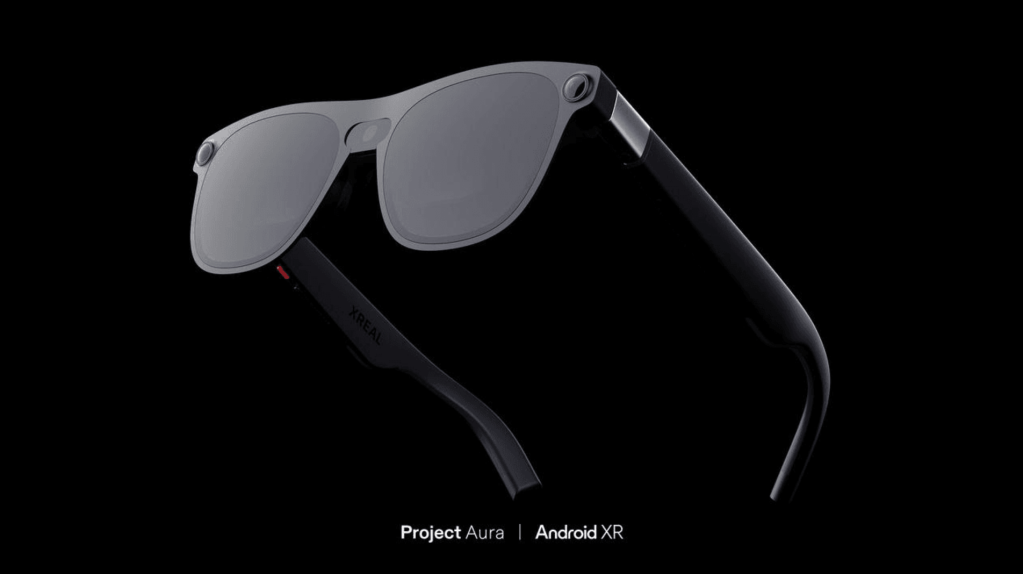
Xreal, Google’s smartglasses partner pushes a bold step forward
Aura aims to shift the industry narrative
The smart glasses market, once hailed as a Silicon Valley dream, has become a profitless black hole for investors. Xreal, Google’s smartglasses partner thinks it has finally mastered this notoriously tricky industry. The premise that lightweight computing could replace mobile screens is now being tested on pilot scale.
Industry analysts cite the paradox: hardware performance has risen while software utility remains modest and unproven.
Hardware cost reduction and user-centric design
- Hardware cost reduction
- UI polish
- user‑centric features
Xreal claims a profit breakthrough with its Google‑powered Aura model, though Meta’s Reality Labs still loses despite Ray‑Ban success. The paradox persists: hardware is improving while software lags behind user expectations. This gap is narrowing as Xreal integrates OLED displays and hand‑tracking into the tethered design that forces users to carry a puck yet unlocks richer experiences such as immersive Google Maps, VR YouTube, and holographic painting apps. The tethered device creates friction but enables interactions traditional screens cannot replicate.
Xreal, Google’s smartglasses partner aims to shift the narrative toward a profit‑positive trajectory. If breakeven arrives next year, the market could finally turn from loss into profit. Yet adoption will hinge on whether users accept tethered tech or prefer seamless wireless experiences. Should Xreal close the gap between promise and performance, it may catalyze broader integrated XR ecosystems across Google’s portfolio.