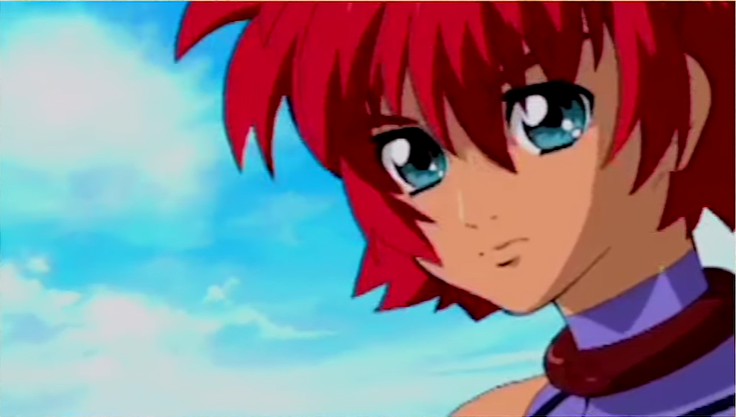
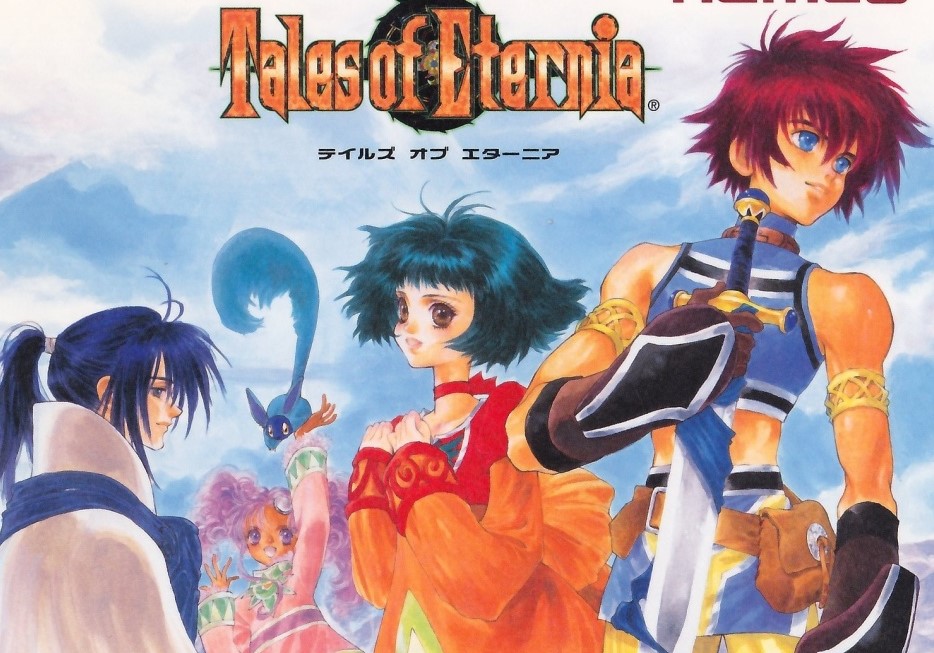
Tales of Eternia stands as a pivotal entry in the acclaimed Tales series, originally launching as the third main title for the PlayStation. Developed by the "Wolfteam" at Telnet Japan, a group known for their work on predecessors Tales of Phantasia and Tales of Destiny, this action role-playing game offers players an experience defined by its unique narrative scope and distinct visual style. Published by Namco, the title was initially released in Japan on November 30, 2000, with an English version following in North America in September 2001.
Tales of Eternia: Story and Setting
The narrative unfolds across a vibrant fantasy world, beginning in the land of Inferia. Players assume the role of Reid Hershel, a young hunter who embarks on an adventure alongside his companions, Farah and Keele. The journey takes a dramatic turn when the group encounters a mysterious girl speaking an unknown language. Her presence propels the heroes across a dimensional boundary, transporting them to the realm of Celestia.
Once in Celestia, Reid and his friends find themselves entangled in an age-old conflict between the two worlds. This cross-dimensional journey forms the core of the "RPG of Eternity and Bonds," as the producers dubbed the title, emphasizing the themes of connection and time.
Gameplay Mechanics and Visual Style
Tales of Eternia is classified as an action role-playing game that blends classic RPG design with streamlined mechanics. The title is renowned for its distinctive 2D visuals characterized by primary colours and pixel-perfect detail, offering a visual environment that enhances immersion. The game features a carefully chosen colour palette and animated surroundings, from swaying trees to smoke patterns, designed to make traversal feel like a scenic tour rather than a forced march.
Core Features
- Battle System: The game utilizes a dynamic combat framework where players engage in real-time encounters, with battle mechanics that have been tweaked and streamlined over time.
- Progression: A structured levelling up system allows characters to grow stronger, with play elements daisy-chaining together to create a distinct gameplay loop that appeals to RPG enthusiasts.
- World Design: The game frames the drama within a world that showcases the visual delights of the era, urging players to push forward through random battles and expansive fields.
Release History and Port Availability
The game's journey to Western audiences was marked by intense fan demand. Prior to the official English release, fans extracted the Japanese text to create a translation, releasing it online to bridge the gap for players eager to play. The game sold approximately 873,000 copies worldwide. A port for the PlayStation Portable was released in Japan in March 2005, with the PAL region receiving the game in February 2006 via Ubisoft, extending the privilege of English-language play to European players.
Critical Reception and Legacy
Tales of Eternia holds a Metacritic score of 78.00 and is frequently cited by fans as one of the more underrated entries in the franchise. Many enthusiasts regard it as a top-tier Tales game, appreciating its depth compared to other titles. The game's legacy extends to animation, inspiring a 13-episode anime series co-produced by Production I.G that loosely adapted the game's plot, introducing the story to a broader audience.