The Race for a New Hantavirus Vaccine: Moderna’s Quiet Breakthrough
A potential solution to a long-ignored threat is taking shape in the sterile corridors of Moderna’s Cambridge headquarters. Scientists there are quietly engineering a new mRNA vaccine designed to combat hantavirus, a pathogen that has posed a hidden but severe danger to travelers and residents living near rodent habitats for decades.
While the world’s attention has recently shifted to other global health crises, this project represents a measured, data-driven approach to vaccine discovery. Unlike the panic-driven rushes seen during the COVID-19 era, this initiative emphasizes robust scientific validation. It leverages decades of immunological insight and Moderna’s mRNA Access initiative to secure the necessary funding and infrastructure for early-stage research, aiming to secure a future where this deadly virus no longer lurks in the shadows.
Why mRNA Technology is the Key to Hantavirus Defense
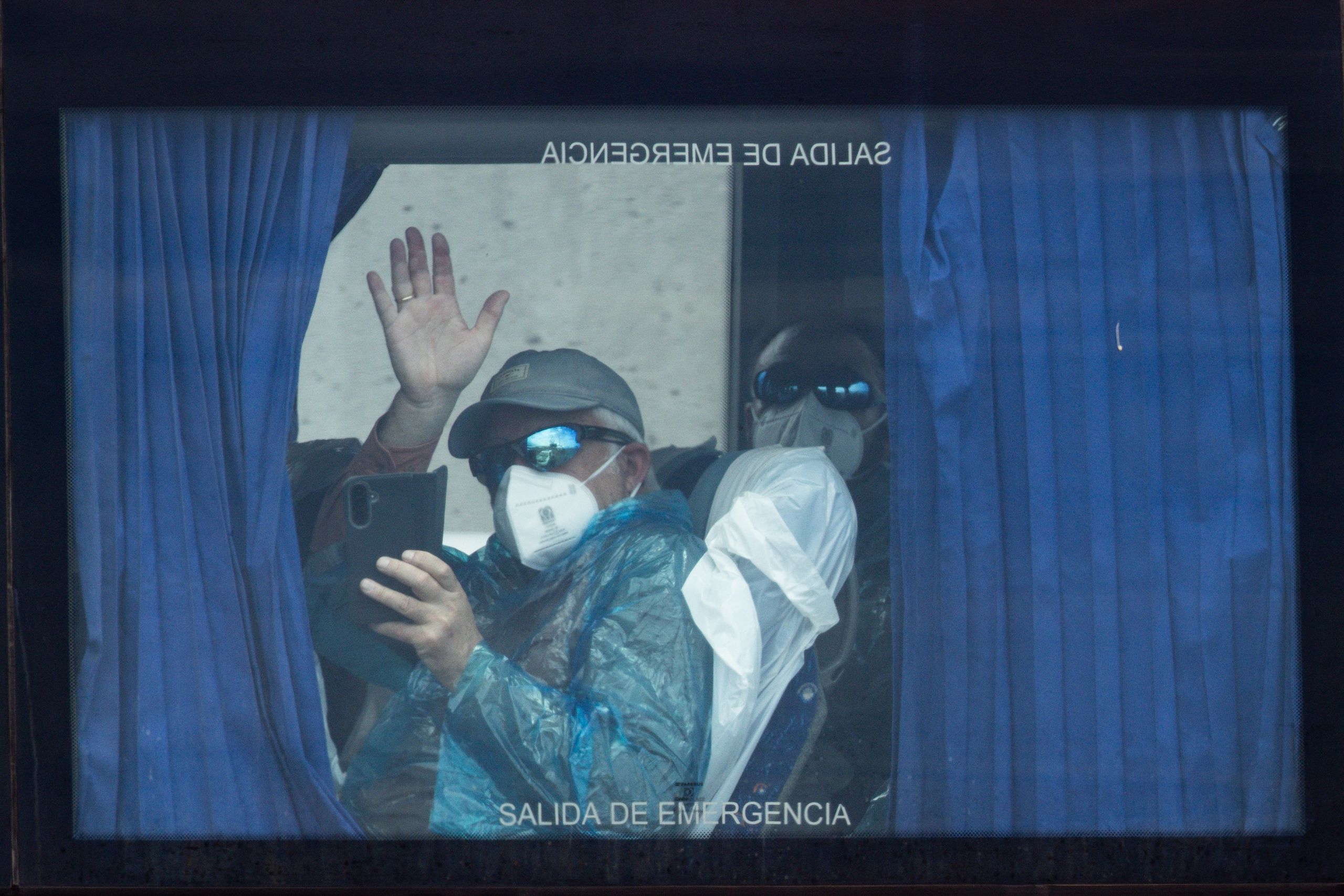
The collaboration between Moderna and Korea University’s Vaccine Innovation Center (VIC-K) began before the recent outbreak on the MV Hondius but gained renewed urgency following that tragedy. This partnership highlights a critical shift in how we approach viral threats: moving from reactive panic to proactive, platform-based preparedness.
Traditional vaccine development often requires complex, time-consuming processes involving inactivated virus cultures or specialized adjuvants. The new mRNA vaccine pipeline sidesteps these constraints by encoding the instructions for the immune system to recognize viral proteins directly. This offers several distinct advantages:
- Rapid Adaptation: The platform can quickly adapt to new viral variants without starting from scratch.
- Enhanced Safety: It eliminates the need to culture live pathogens, reducing biosafety risks during manufacturing.
- Scalable Production: The manufacturing process is more streamlined, allowing for faster scale-up when needed.
By avoiding exposure to live pathogens, this approach not only improves safety profiles but also enables rapid iteration as new strains emerge. This technology, already proven in global health emergencies, could now establish a critical template for responding to other rodent- or bat-borne viruses before they escalate into pandemics.
Regional Threats and Global Implications
Hantaviruses are not confined to a single geographic region; they circulate across Asia, Europe, and the Americas with distinct lineages. In South Korea alone, thousands of cases occur each year, primarily affecting young adult males. The severity of these infections often leads to hemorrhagic fever syndromes, which carry high fatality rates in certain regions.
Despite these statistics, the virus has remained a "priority threat for future pandemic preparedness" in South Korea while facing broader international silence. This disparity underscores the need for sustained investment in diseases that may seem regional but possess the potential for severe outcomes.
The current development stage relies heavily on preclinical work. Early results from Park Man-sung’s team have demonstrated protective efficacy in mouse models, suggesting that progress is tangible. However, the journey from these animal studies to human clinical trials is fraught with challenges:
- Funding Gaps: Sustaining research beyond early stages requires significant financial commitment.
- Regulatory Reviews: Approval pathways for new infectious disease vaccines are lengthy and rigorous.
- Manufacturing Scale-Up: Transitioning from lab-scale production to commercial viability is a complex logistical hurdle.
Preparing for the Next Public Health Challenge
The road ahead spans years rather than months, yet the convergence of cutting-edge platform science and international cooperation offers genuine hope. The partnership between Moderna and VIC-K illustrates how cross-border scientific collaboration can pool expertise and resources to tackle diseases that respect no borders.
Even without an imminent outbreak, this work underscores a critical lesson: preparedness must precede crisis. While hantavirus currently impacts specific regions more severely than others, its potential for severe outcomes warrants continued support. A licensed vaccine would not only protect high-risk populations but also reduce the long-term healthcare burdens associated with hemorrhagic fever syndromes.
If clinical milestones are met and regulatory approvals follow, the next generation of hantavirus prevention could emerge within a decade. This timeline transforms a historically neglected threat into a manageable public health challenge, proving that quiet, steady scientific progress can ultimately save lives when the next crisis strikes.