For roughly 10 to 15 percent of infertile men, the complete absence of sperm in the ejaculate represents a definitive biological dead end. While modern medicine offers various interventions for low sperm count or motility, those with a total lack of detectable sperm have historically been left with few options for achieving biological fatherhood.
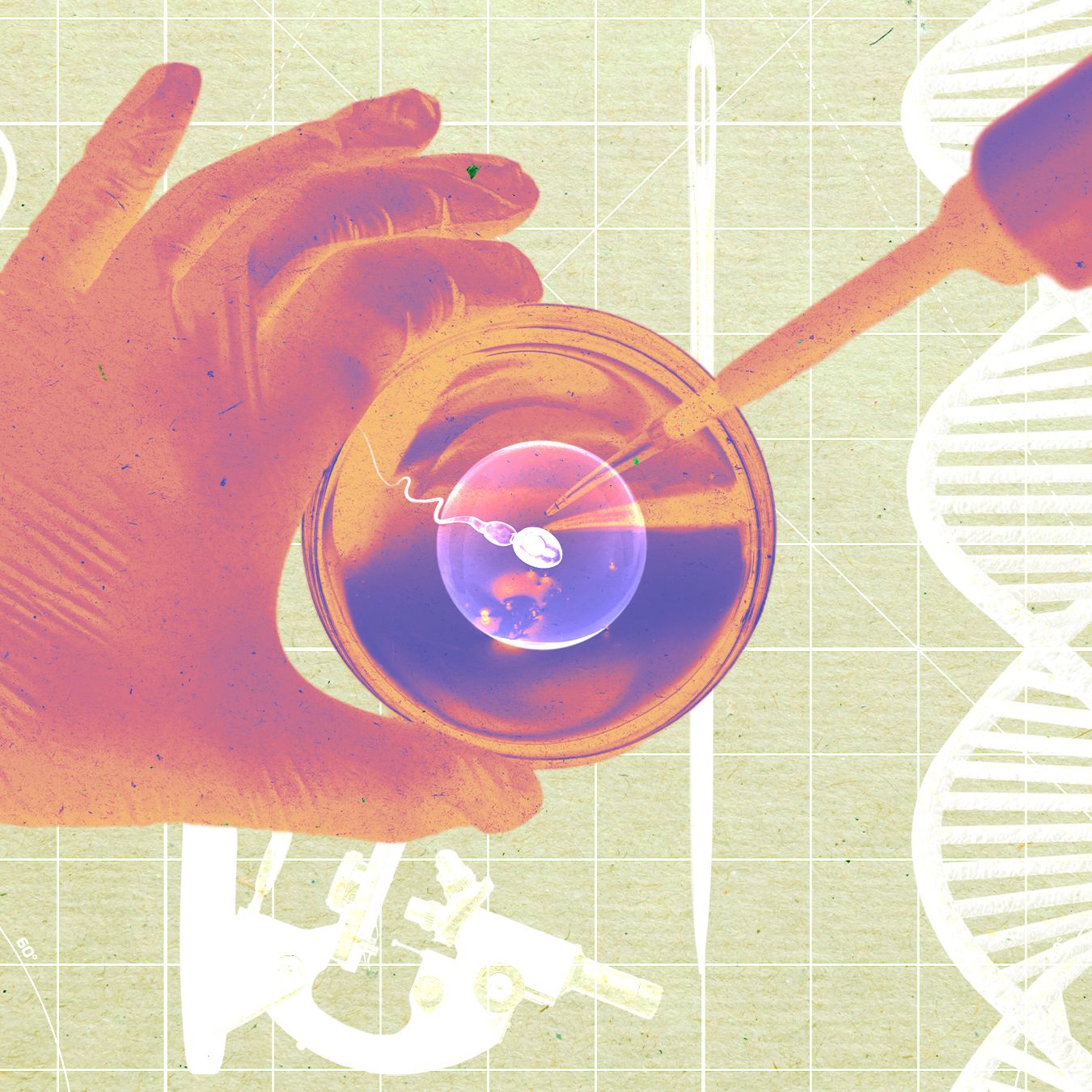
However, a Utah-based startup, Paterna Biosciences, claims to have disrupted this limitation. The company asserts it has successfully achieved the feat of growing human sperm in a lab and using that material to create healthy-looking embryos.
While these findings have not yet undergone independent verification or peer-reviewed publication, the reported advance suggests a massive shift in the landscape of in vitro spermatogenesis.
The Technology Behind Growing Human Sperm in a Lab
The biological process of creating sperm—known as spermatogenesis—is an incredibly complex sequence that takes over two months to complete within the human body. It requires stem cells to undergo meiosis, dividing to create cells with 23 chromosomes while developing physical structures like a head and tail. Achieving this outside the human body has been a primary goal in reproductive science for nearly a century.
Paterna Biosciences’ approach moves away from attempting to culture entire testicular tubules. Instead, they focus on individual sperm-forming stem cells using computational biology to identify the specific molecular signals and growth factors required to instruct these cells to mature.
The company's methodology involves several critical steps:
- Isolating sperm-making stem cells from a small biopsy of testicular tissue.
- Using predictive modeling to determine the exact "cocktail" of molecules needed for each stage of development.
- Nurturing the cells in a controlled laboratory environment that mimics a healthy biological microenvironment.
- Verifying that the resulting sperm are morphologically and functionally similar to naturally occurring sperm.
According to Alexander Pastuszancy, CEO of Paterna, the company found that the failure of previous attempts often stemmed from a lack of understanding regarding these precise instructions. By recreating the necessary microenvironment, they believe they can coax stem cells into producing "normal, mature" sperm.
Beyond Infertility: Potential Applications for Cancer Survivors
The implications for patients with azoospermia—the absence of sperm in the ejaculate—are profound. Currently, the standard of care often involves invasive surgical procedures where surgeons search through testicular tissue for any sign of usable sperm. These surgeries can last several hours and frequently yield no results.
Paterna’s technology aims to replace these high-stress surgeries with a much simpler office-based biopsy. Furthermore, there is significant potential for oncological applications.
Young cancer survivors who have undergone chemotherapy before puberty may have preserved sperm-forming stem cells, even if their reproductive function was destroyed by radiation or drugs. If the process of growing human sperm in a lab matures, it could offer a way to "reboot" fertility for those whose biological clock was prematurely halted by medical intervention.
Significant Hurdles Before Clinical Adoption
Despite the excitement, the transition from laboratory success to clinical reality faces significant hurdles:
- Scientific Validation: Current results must be replicated in larger studies to ensure no genetic mutations are introduced during the in vitro process.
- Economic Accessibility: With an estimated cost between $5,000 and $12,000 per procedure, many patients may find this technology out of reach without insurance coverage.
- Regulatory Approval: Moving from embryo creation in a lab to actual human pregnancies requires rigorous testing for both safety and efficacy.
The scientific community remains cautiously optimistic but watchful. While the claims made by Paterna are technically unprecedented in humans, the industry has seen similar "breakthrough" announcements from other biotech firms that failed to survive independent verification.
If Paterna can demonstrate through upcoming studies that their lab-grown sperm does not cause genetic abnormalities and can achieve fertilization rates comparable to natural sperm, the landscape of reproductive medicine will be fundamentally altered.