The AI Hype Cycle and the Birth of the Audemars Piguet x Swatch Watch
The intersection of AI-generated visuals, intense consumer demand, and rapid manufacturing agility has fundamentally reshaped how niche luxury products gain traction in the digital age. Recent events surrounding the Audemars Piguet x Swatch wristwatch collaboration illustrate both the immense power and the inherent pitfalls of viral hype cycles driven by synthetic media.
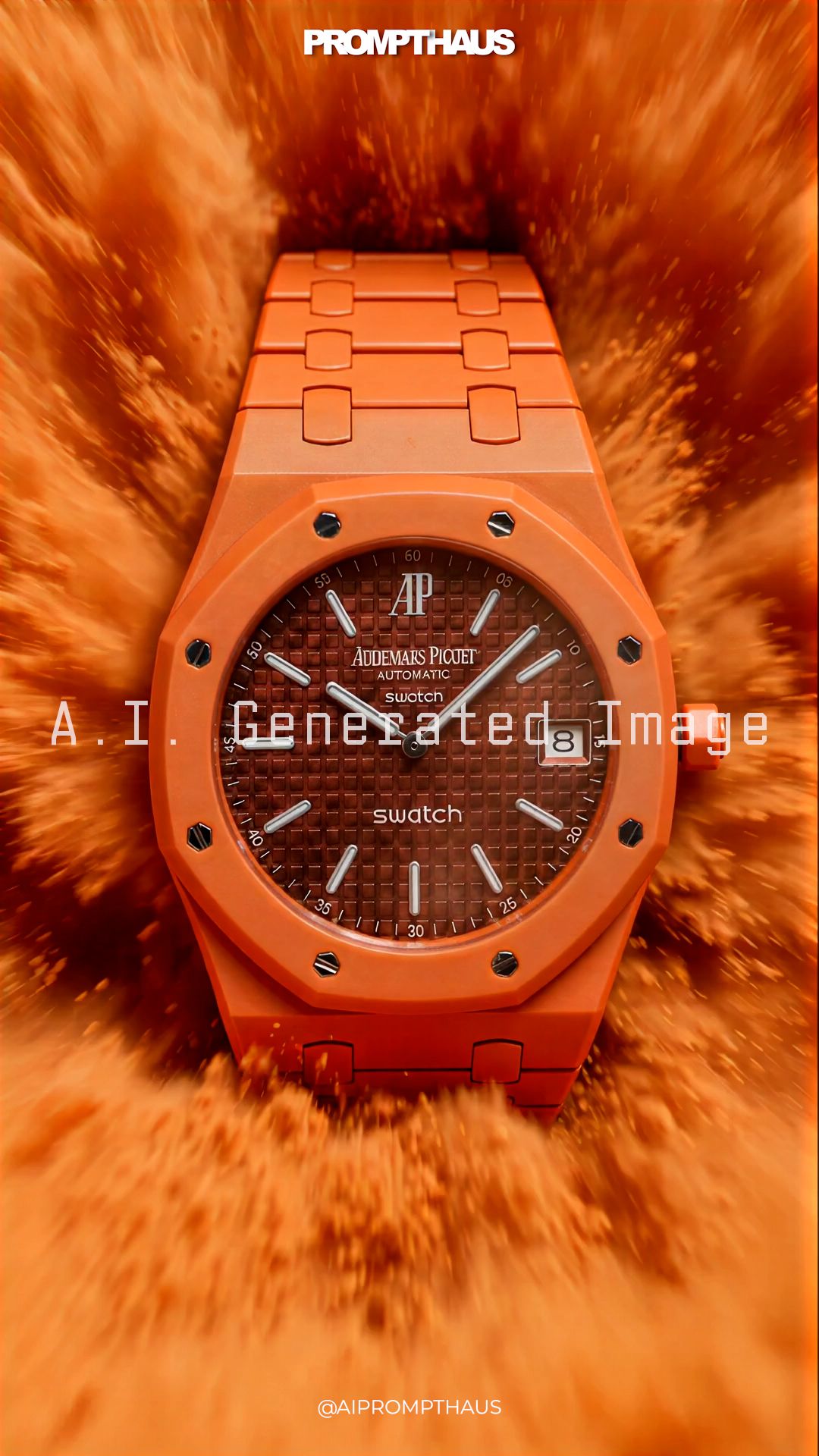
While the official brand partnership focused on the Royal Pop Collection pocket watch, the digital landscape quickly outpaced physical reality. AI-generated teasers sparked global speculation, filling the void left by the absence of official wristwear teasing. Fan communities curated and amplified these images, creating a shared vision that effectively materialized before the brands themselves did.
From Digital Concept to Physical Reality
Third-party innovators identified the latent potential of these AI designs almost immediately. The Royal Pop Collection exists as a pocket watch, yet its aesthetic translates fluidly to wristwear through clever engineering and modular interfaces. Swatch and Audemars Piguet maintained brand integrity by avoiding official wrist versions of the original concept, preserving high-margin pocket pieces while indirectly seeding demand for wrist adaptations.
This gap between digital imagination and physical execution created an opportunity for rapid response. Chinese producers leveraged rapid prototyping and injection molding to produce custom brackets, strap systems, and adaptive cases within weeks. This speed enables niche designs to reach consumers faster than traditional supply chains in Europe or North America.
China’s Manufacturing Velocity Reshapes Expectations
The agility of Chinese manufacturing has become a critical factor in the modern luxury tech ecosystem. Industry insiders predict that pre-assembled prototypes could surface within a month of receiving technical specs, with online listings possible soon after. This velocity allows niche designs to bypass traditional barriers to entry, forcing established brands to adapt their strategies or risk obsolescence.
Key drivers of this shift include:
- Rapid Prototyping: The ability to iterate designs in days rather than months.
- Injection Molding: Cost-effective production of custom brackets and adaptive cases.
- Agile Supply Chains: Direct access to manufacturing hubs that can scale production quickly.
Strategic Opportunities for Incumbent Brands
As AI becomes both a marketing catalyst and a testbed for authenticity, traditional brands must reclaim narrative control. Authentic releases allow brands to capitalize on the hype while distinguishing themselves from AI-generated fakes. However, the ecosystem is evolving, requiring new approaches to intellectual property and quality assurance.
Strategic opportunities for incumbents include:
- Licensing Models: Using design patents to protect core aesthetics while allowing third parties to explore variations.
- Ecosystem Development: Creating approved strap kits and certification programs to ensure quality without sacrificing speed.
- Narrative Control: Leveraging authentic releases to stand out in a saturated market of synthetic media.
The Role of Responsible Innovation
While the allure of instant gratification drives viral trends, manufacturers must balance enthusiasm with safety standards, regulatory compliance, and ethical considerations around AI-driven misinformation. Transparency about source authenticity and production timelines helps maintain consumer trust amid surging interest in hybrid luxury products.
The interplay between digital imagination and physical execution will define the next generation of collectible watches and broader tech-to-touchscreen transitions. As AI promises what brands deliver, the market will increasingly reward those who can bridge the gap between viral hype and tangible quality.