The Stark Divide Between AI Experts and Public Opinion
A recent report from Stanford University's Human-Centered Artificial Intelligence group highlights a significant gap in perspective: "AI experts" disagree with the public about whether it's a good thing. While 73% of these specialists believe artificial intelligence will be beneficial for jobs, only 23% of US adults share that optimism. This divergence suggests that those closest to the technology hold vastly different views than the general population, raising questions about how AI is perceived across different demographics.
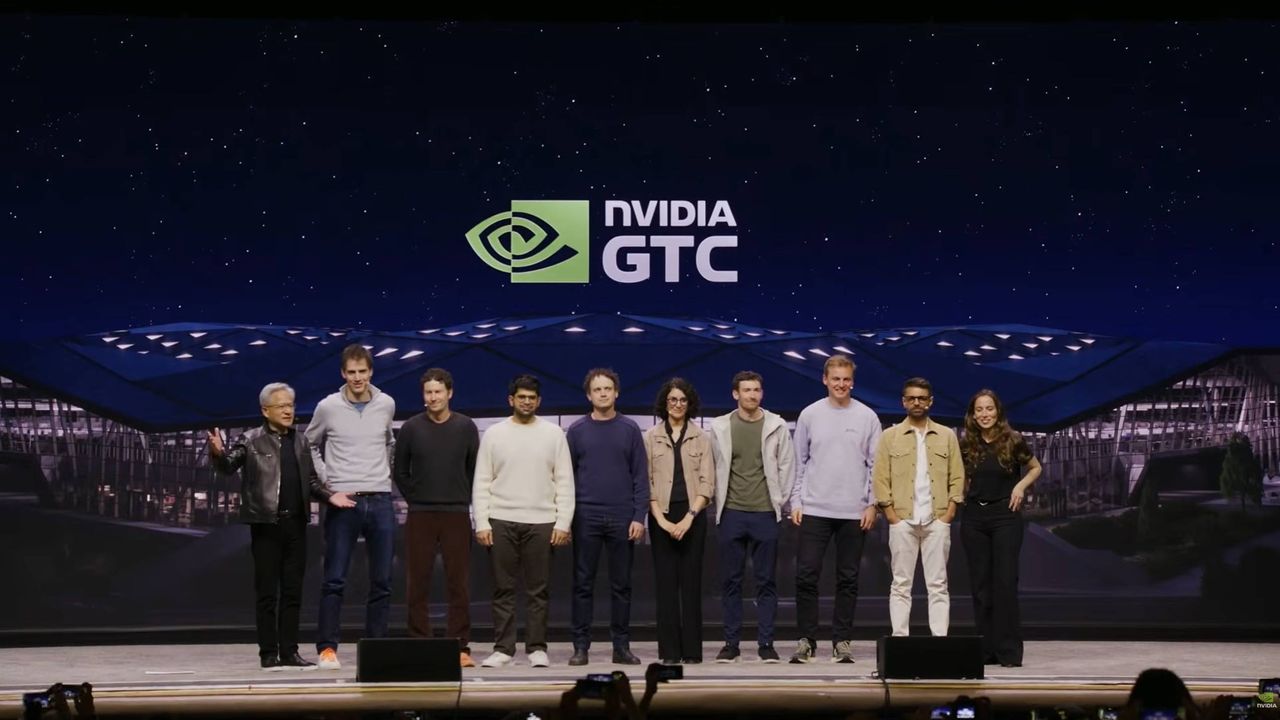
The data behind this conclusion comes from a 2024 survey by Pew Research, which defined "AI experts" as individuals whose work relates to AI or who presented at an AI-related conference in 2023 or 2024. Essentially, the group includes attendees of major events like Nvidia GTC, where advancements such as DLSS 5 were revealed. It is perhaps no surprise that professionals deeply embedded in the industry maintain a positive outlook on the technology's future potential.
Global Skepticism and Regional Hopes
The report reveals that the US population holds particularly low trust in AI, ranking among the most skeptical globally with only Australia and India showing higher levels of nervousness. This skepticism extends to both government regulation and private companies developing these tools. However, optimism is not universal; AI optimism is highest in Southeast Asia, where countries like Malaysia, Thailand, Indonesia, and Singapore show much more positive sentiment toward the technology's integration into daily life.
The public also demands greater transparency from corporations deploying AI. According to Ipsos data cited in the report:
- 79% of people believe companies using AI should explicitly disclose its use.
- This stance contrasts with Epic CEO Tim Sweeney, who argues that Steam's current AI disclosure policy "makes no sense."
While industry leaders debate policy nuances, the general public remains firmly on the side of requiring clear labeling for AI interactions, signaling a strong desire for accountability in an increasingly automated landscape.
Investment Trends and Technical Realities
Financial momentum behind artificial intelligence continues to accelerate, with global investment more than doubling last year. Private capital grew the most during this period, largely driven by US companies, which remain the biggest private investors globally. The report notes that while much of China's funding appears to come from state sources, the US leads in direct private sector engagement through mergers and acquisitions as well.
Despite the financial boom, technical capabilities still present limitations. The Human-Centered Artificial Intelligence website details that while Large Language Models (LLMs) can solve certain math problems, they struggle with basic tasks like telling time. Furthermore, safety measures across the industry remain spotty, indicating that rapid development has not yet been matched by consistent security protocols. Readers interested in these findings and further statistics on data center development and AI adoption can access the full report directly from Stanford's HAI website.