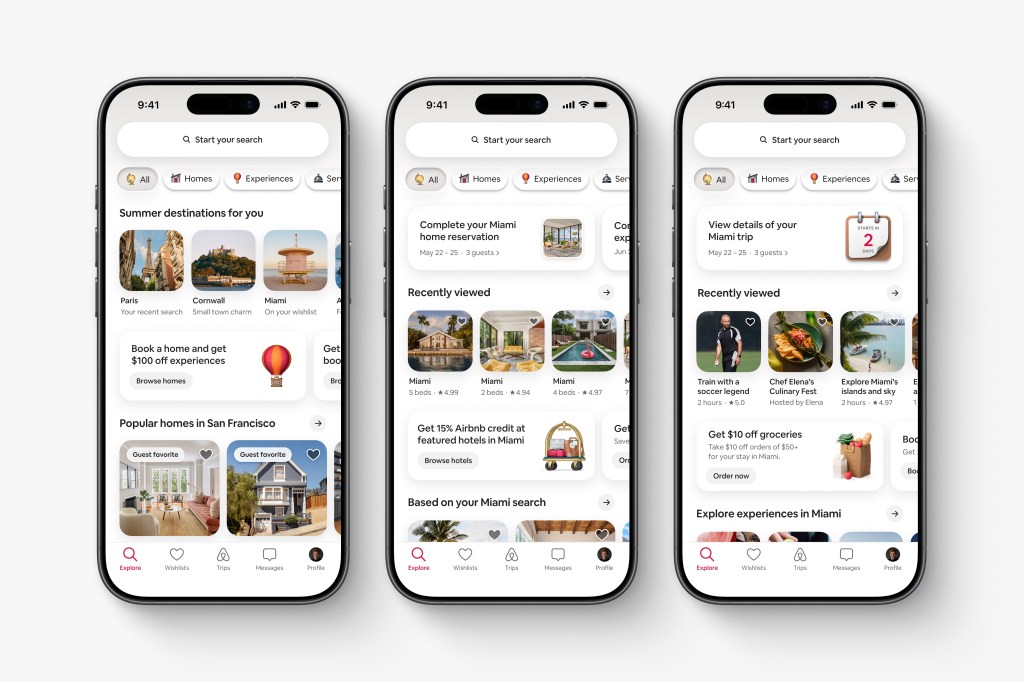
The sudden appearance of hotel listings within the familiar framework of peer-to-peer rentals signals a fundamental shift in how travel platforms approach lodging. Previously, booking revolved around the unique variable of an individual's home; now, corporate infrastructure sits alongside private stays on a single screen. As Airbnb gets into hotels, this strategic expansion is accompanied by significant technological overhauls across host management and customer interaction points.
Integrating Hotel Inventory into the Travel Mix
Airbnb’s move to officially feature hotels is not merely about expanding inventory; it represents a calculated effort to capture market share from traditional travel aggregators while mitigating booking friction. The platform is initially targeting partnerships with boutique establishments in major global hubs like New York, Paris, and Rome, suggesting an early focus on quality control over sheer volume.
To ensure a smooth user experience, the integration is designed to be seamless:
- Users searching for short or overnight stays will see hotel recommendations via an in-app pop-up.
- Travelers are not redirected away from the core platform experience.
- A new price match guarantee acts as a direct mechanism to reduce perceived risk among seasoned travelers.
Expanding AI for Host Onboarding and Customer Support
The technological backbone supporting this expansion relies heavily on artificial intelligence across two distinct vectors: listing creation for hosts and search refinement for guests. By leveraging advanced machine learning, the platform is fundamentally changing how users interact with the service.
Streamlining the Host Experience
For property owners, the onboarding process is being streamlined dramatically. The ability to input an address and have AI fill in crucial details mitigates the initial friction associated with populating detailed listings. This ensures that new hosts can get their properties live with minimal manual data entry.
Enhancing Guest Search and Support
On the user side, AI tagging allows travelers to filter reviews or listings by specific attributes—such as "family-friendliness" or proximity to certain amenities—creating a more granular search experience than simple keyword matching.
The most substantial application of this technology lies in customer service. Having already deployed an AI bot in the U.S., the company is preparing for global scaling across 11 languages. This support infrastructure is evolving into proactive self-service solutions, incorporating interactive cards that allow users to:
- Update trip details.
- Resolve booking discrepancies.
- Manage reservations directly within the chatbot interface.
Diversifying Revenue Through Services and Experiences
The platform’s ambition extends well beyond facilitating overnight stays. The integration of services and activities aims to create a comprehensive travel ecosystem that captures spending at multiple touchpoints. This includes adding grocery delivery directly to properties, launching airport pickup coordination, and slated car rental services for the summer launch.
To encourage adoption, Airbnb is deploying initial incentives like credits for car rentals or discounts on hotel bookings. The company is also beefing up its offerings in experiences, expanding guided tours across 3,000 landmarks and curating over 2,500 food-related activities. This multi-faceted approach directly challenges established competitors by keeping users within the Airbnb "walled garden" for every stage of their journey.
As the platform matures from a niche housing rental site into a comprehensive travel operating system, the industry is watching closely. With whispers of a voice-based AI assistant on the horizon, the integration of sophisticated, multi-lingual support and expanding services marks a new era for the brand.