A Lovecraftian Adventure with Heart
Call of the Elder Gods represents a masterful balancing act between narrative-driven adventure and intricate puzzle-solving. Developed by Out of the Blue Games, this long-awaited follow-up to the 2020 hit Call of the Sea proves to be another rare Lovecraft-inspired title that prioritizes surreal mystery and emotional stakes over traditional cosmic horror macabre.
While the original game focused on Norah’s journey through a lush, winding island, Call of the Elder Gods tightens the narrative scope. It introduces two new protagonists on a parallel journey set in motion by the predecessor’s events, creating a sequel that feels both connected and distinct.
From Island Mystery to Global Expedition
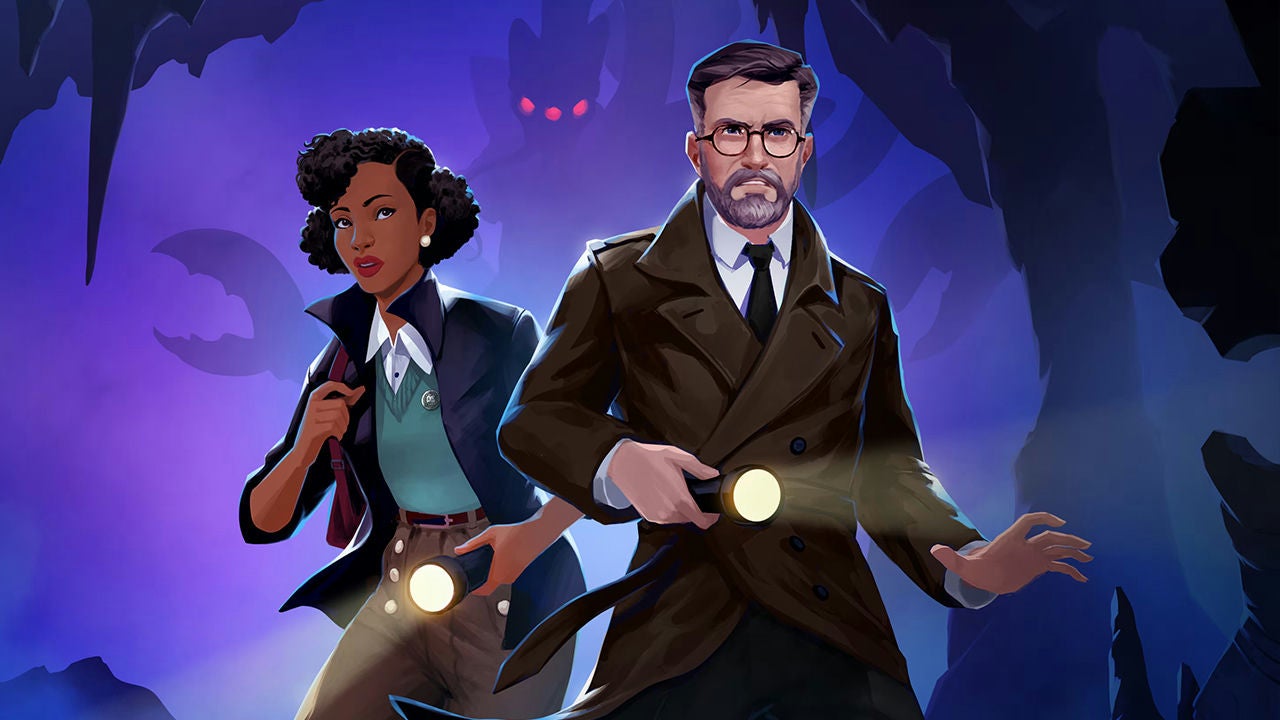
Set two decades after the first game, the narrative shifts from a confined island environment to a globe-trotting Indiana Jones-style adventure. You play as Evangeline Drayton, the daughter of Frank Drayton from the original ill-fated expedition, and Professor Harry Everhart, a returning character.
Evangeline, suffering from memory lapses and dreams of an ancient city, seeks Harry’s help to uncover the truth. Meanwhile, the original protagonist, Norah, narrates the events with a self-awareness that adds a layer of strange intrigue.
The game channels the tone of Lovecraft’s The Color Out of Space, but escalates the stakes by drawing on The Shadow Out of Time. This results in out-of-body experiences and time-bending phenomena that stretch across time and space. The five-hour journey takes players through:
- The mysterious Everhart estate
- Ancient caves in the Virginia backwoods
- Remote deserts of Australia
- An abandoned Nazi compound housing corrupted eldritch experiments
- The ancient city of the distant past
This expansion of scope leads to some unexpectedly profound moments, though the brisk pace sometimes prevents deep connection with each location. Just as you absorb the visuals of a specific chapter, you are whisked away to the next, occasionally funneling you into less imaginative enclosed spaces.
Puzzles, Atmosphere, and Uneven Difficulty
Much like its predecessor, Call of the Elder Gods relies on investigation and puzzle-solving. Using Norah’s trusty journal to track relevant information, the game evokes the classic Myst and Riven approach of collecting clues and inspecting environmental details.
The puzzle design is often genuinely inventive, particularly in organic moments where you piece together solutions just before the "eureka" moment. One standout sequence involves exploring the estate grounds during a storm, where you must position statues at right angles to unlock gated areas amidst thunder and rain. This sequence effectively leans into the Lovecraftian influence, placing you in strange situations where otherworldly forces creep in.
However, the fragmented structure leads to uneven difficulty compared to the original’s more straightforward progression. While many puzzles are manageable, some present a stark jump in difficulty due to an overload of information.
- Machine-heavy puzzles can require excessive cycling through your journal, feeling like combing through an instruction manual.
- Complex clues may force you to retrace your steps for extended periods if any detail is missed.
To offset these hurdles, a handy hint option in the main menu provides step-by-step breakdowns for select chapters. While helpful for preventing stagnation, it highlights areas where the puzzle logic could have been tighter.
Final Verdict
Despite its pacing issues and occasional difficulty spikes, Call of the Elder Gods remains a wondrous experience. It successfully uses sharp, visually striking environmental presentation to uplift its story-driven puzzle-solving, offering a larger variety of spaces that give each chapter a unique flavor. For fans of atmospheric adventure games, it is a worthy, if imperfect, successor to its predecessor.