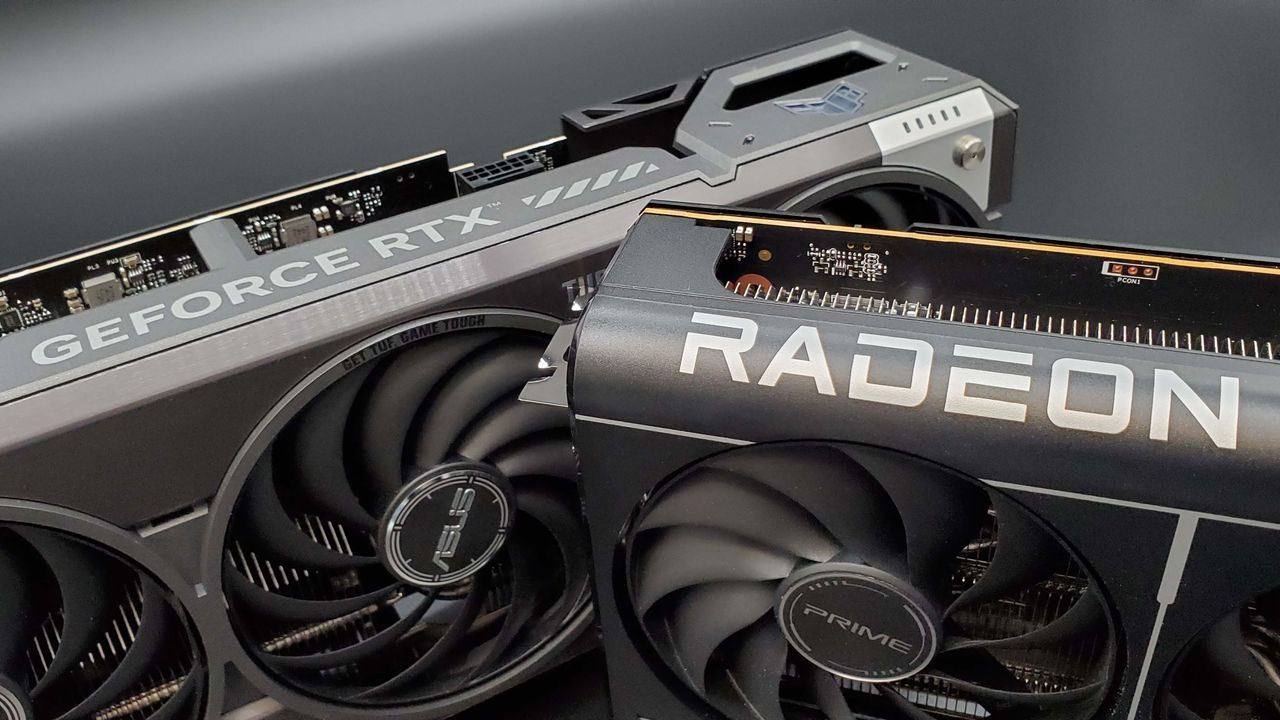
AMD FSR frame generation hasn't seen nearly the same level of game adoption as Nvidia's DLSS counterpart, but development is clearly moving forward. Recent leaks suggest that Radeon users might finally be seeing the arrival of multi frame gen technology.
Evidence Found in AMD’s SDK Documentation
The evidence for this shift comes from recent additions to AMD's SDK documentation for its ADLX API, which programmers use to access and control GPU features (as noted by AthleteDependent926 on Reddit).
Specifically, a new reference has surfaced: IADLX3DFidelityFXFrameGenUpgradeRatioOption. According to the documentation, this is "a feature that allows users to select the desired frame generation ratio for optimal performance and visual quality." This update will presumably allow developers to provide gamers with various levels of interpolation.
The Potential for Multi Frame Gen on Radeon
Until now, FSR frame generation has functioned as a standard on/off feature, offering exactly 2x the frame rate by interpolating one generated frame between each traditionally rendered one. Because there was no variable ratio, no adjustment settings were necessary.
The introduction of a "ratio" option suggests that AMD is preparing for much higher scaling factors. This change could allow for:
- 3x frame generation options for smoother motion.
- 4x frame generation settings for high-refresh-rate gaming.
- Customizable performance tiers based on hardware capability.
While Nvidia has already launched 3x and 4x capabilities with the RTX 50-series—and even recently extended support to 5x and 6x—AMD has remained focused on its 2x implementation until now.
A Cautious Approach to Scaling Performance
AMD's corporate vice president, David McAfee, explained that the company is intentionally taking a measured approach to these advancements. Speaking earlier this year, McAfee stated:
"We will proceed very cautiously and listen to the gaming community and the reaction that they have to these multi-frame gen capabilities. I think a lot of gamers feel like [frame generation] has gone too far in some cases. And so I think that’s why you’re going to see us step very carefully as we build this out over the next several years."
While the slow uptake of FSR upscaling and frame gen has occasionally become a running joke—due to both implementation delays and limited support for older hardware—this discovery is promising. If these documentation hints translate into true multi frame gen support, Radeon users may finally close the gap with their Nvidia competitors.