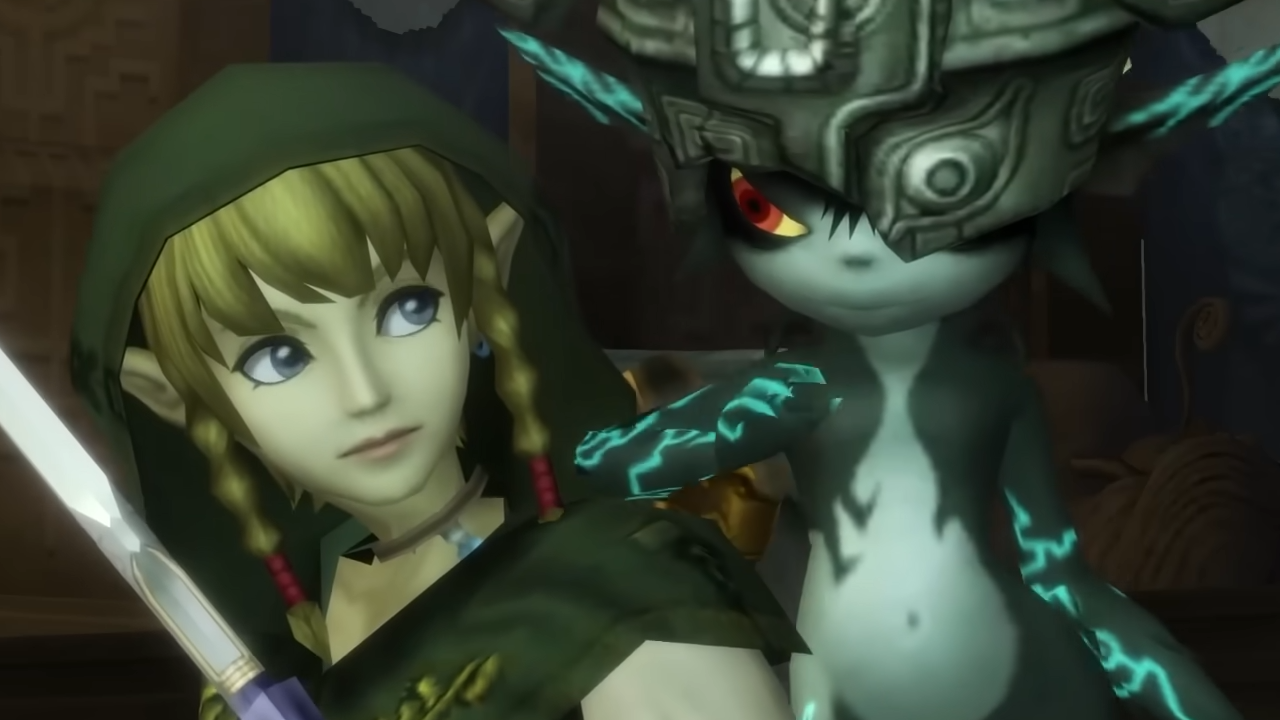
Unofficial PC Port of The Legend of Zelda: Twilight Princess: Key Features
The gaming community is buzzing over the latest entry in the booming scene of recompiled software, and this time, Hyrule is getting the treatment. An unofficial PC port of The Legend of Zelda: Twilight Princess has officially arrived, bringing the beloved GameCube classic to modern systems without relying on traditional emulation. Dubbed Dusk, this project follows in the footsteps of reworked favorites like Banjo-Kazooie, Super Mario 64, and the Jak & Daxter trilogy.
Getting started with this unofficial PC port of The Legend of Zelda: Twilight Princess is straightforward for veterans of the format. Players simply need to supply their own legally owned game files from either the NTSC or PAL GameCube releases. Once those files are plugged in, the project runs natively across a wide array of devices, including iOS, Android, macOS, and Linux. This broad compatibility makes it a fantastic option for Steam Deck owners and handheld gamers looking to revisit the game.
Beyond just running the original code, Dusk introduces a robust suite of enhancements that modernize the experience while respecting the source material. The project boasts a lengthy list of adjustable settings that cater to both purists and power users. Key features include:
- Support for higher framerates and input methods like mouse or gyro aiming
- Compatibility with custom models and texture packs for visual overhauls
- Modernized quality-of-life options such as instant text and automatic saves
- Mirror Mode, originally introduced in the Wii U version, now fully integrated
The developers have also teased the upcoming addition of a randomizer mode, promising plenty of fresh challenges for speedrunners and content creators. For those who prefer to dial up the difficulty, a damage multiplier is already available for those seeking an absurdly tough run. These tweaks ensure the game remains accessible while preserving its core challenge.
A Massive Community Effort
The scope of this undertaking is staggering, built on years of collaborative reverse engineering. According to the team's release notes, the decompilation effort began in August 2020. "Years and years of effort have been poured into the decompilation by contributors all over the world, resulting in the largest decompilation project ever completed," the blog post states. While debates about which retro engine takes the crown of largest may continue among the Open GOAL community, the sheer scale of this project is undeniable.
This release highlights a shifting paradigm in how we preserve and play classic titles. Rather than relying solely on emulation, the industry is seeing a surge of native recompiled ports that offer dedicated modding communities and active volunteer development. This trend actually traces its roots back to 1999, when a hobbyist programmer first attempted to port a pioneering NES Zelda title to PC using entirely original code. As these projects mature, we are moving closer to a future where retro classics don't just survive in emulators, but thrive as living, evolving experiences.