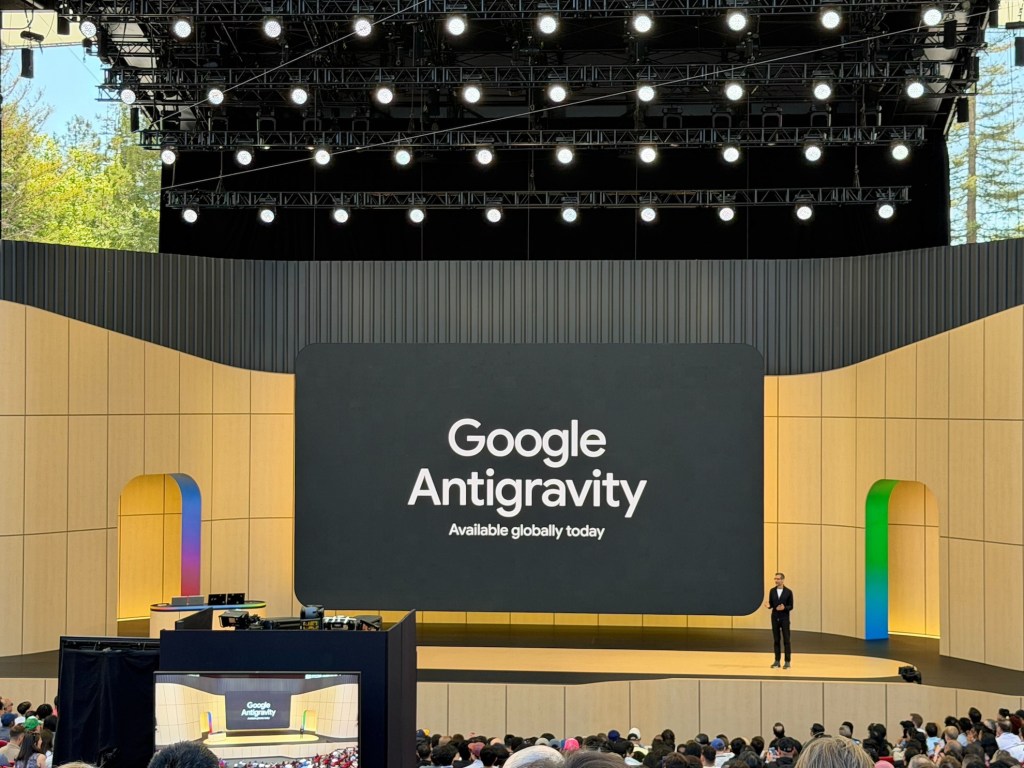
Executing a complex, multi-stage coding task through a natural language prompt feels less like magic and more like the inevitable maturation of specialized tooling; coordinating disparate AI agents into a single cohesive output stream remains the central challenge in modern development environments. Google’s unveiling of Antigravity 2.0 signals a significant pivot from simple code generation toward true, orchestrated agentic workflows, bolstering its position against established players in the AI coding space. The updated suite, featuring an enhanced desktop client and a dedicated Command Line Interface (CLI) tool, aims to bridge the gap between high-level conceptualization and granular execution across multiple software layers.
Orchestrating Complex Workflows with the Desktop Framework
The revamped desktop application moves beyond single-shot prompts, allowing users to architect intricate pipelines where various specialized agents interact sequentially or in parallel. This architectural shift permits developers to model real-world enterprise processes—such as data ingestion followed by multi-service validation—directly within the development environment. Furthermore, the integration points are becoming increasingly deep; native hooks for Google AI Studio, Android tooling, and Firebase suggest an intention to make Antigravity 2.0 a foundational layer across the entire Google ecosystem stack.
The ability to design custom subagent workflows is perhaps the most powerful addition to the desktop interface. Instead of merely asking for "a feature," a developer can now define exactly how that feature must be built through structured logic. For example, one might define a workflow where Agent A fetches data via an API, passes sanitized results to Agent B which renders the UI component, and finally, a scheduled task agent commits the result to the database. This level of process automation requires robust state management, something Google appears determined to bake into the core experience.
Developer Empowerment Through CLI and SDK Expansion
For the seasoned professional operating within a terminal environment, the dedicated Antigravity 2.0 CLI provides necessary power and precision previously reserved for native scripting languages. The migration path from older Gemini CLI tools is clear, signaling an intended permanence and maturation of this command-line interface for agent interaction. More critically for platform builders, the introduction of the Antigravity SDK fundamentally changes who can build on top of this capability.
This SDK opens the gates to broader customization, allowing Google Cloud customers to embed sophisticated AI agency directly into their proprietary services without needing deep internal knowledge of the core architecture. The commitment to enterprise readiness is underscored by several key features:
- Custom agent templates available for immediate prototyping within AI Studio.
- An explicit export mechanism enabling local development continuity outside the cloud environment.
- Direct connectivity pathways designed to integrate logic into existing GCP infrastructure.
Expanding Capabilities and Market Tiering
Google is not resting on its technical overhaul; the accessibility and financial structures of the service show a clear strategy for market capture across varied user bases. The addition of native voice command support mirrors successful patterns seen in consumer products like Docs, signaling that natural language interaction is being baked into every layer of the tooling, from desktop UI to CLI inputs. This makes the interface more intuitive for rapid prototyping and hands-free adjustments during intense development sessions.
The pricing structure itself reflects an understanding of AI consumption curves. With tiered options emerging—including a newly priced AI Ultra plan and a significantly reduced entry point for high usage—the market positioning becomes acutely competitive. The industry trend toward granular pay-per-use or capacity-based scaling is solidified here, challenging the monolithic service model seen in earlier iterations of generative AI tools.
The immediate impact on search functionality, where users can build "mini-apps" while researching a topic, represents the ultimate convergence goal: making the discovery process itself an active development session. This shifts the perception of search from simple retrieval to active co-creation.
Ultimately, Antigravity 2.0 solidifies Google’s commitment to owning the orchestration layer of enterprise AI development. While competitors may focus on raw model capability—the sheer intelligence of a single LLM call—Google is betting its weight on the tooling that connects those models to real-world production environments. As these agentic workflows become more standardized, the distinction between "writing code" and "directing agents" will continue to blur.