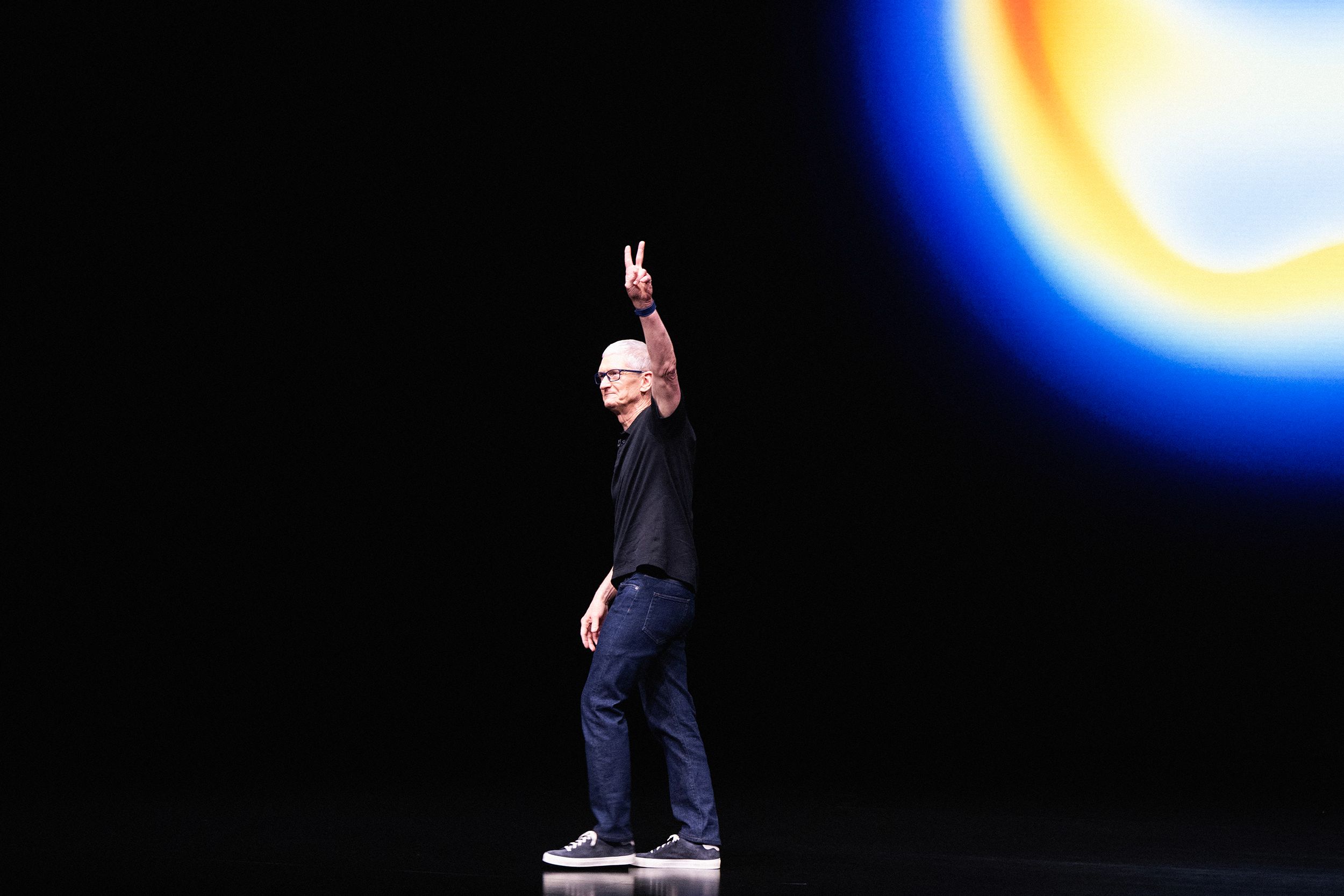
As the tech world processes the news that Apple CEO Tim Cook is stepping down, a massive question looms over Silicon Valley. Can the architect of Apple’s unprecedented financial stability navigate the company through an era where operational excellence no longer guarantees dominance in the face of generative AI?
Apple has officially announced that Cook will step down as Chief Executive Officer on September 1. While he will remain with the organization as executive chairman, the departure of the man who oversaw Apple’s ascent to a $4 trillion valuation marks one of the most significant leadership transitions in history.
The Legacy of Operational Excellence
The era defined by Tim Cook will be characterized by a transition from a high-growth hardware manufacturer to an all-encompassing ecosystem provider. When Cook assumed the mantle of CEO following the passing of Steve Jobs, Apple’s market capitalization sat at approximately $350 billion; today, that figure has expanded to more than $4 trillion.
This growth was not merely a result of selling more iPhones, but rather a masterclass in vertical integration and consumer lock-in. Under Cook's stewardship, the company successfully diversified its revenue streams through the aggressive expansion of the Services division.
By focusing on high-margin recurring revenue from the App Store, iCloud, and Apple Music, the company insulated itself against the cyclical nature of hardware sales. Furthermore, the development of the Apple Watch and AirPods transformed Apple into a dominant force in the wearables market. While certain ambitious projects, such as the long-rumored autonomous vehicle initiative, were eventually shuttered, the core stability of the company's balance sheet remained unshakable.
Why Apple CEO Tim Cook Is Stepping Down: The Shift to Engineering
The selection of John Ternus as the successor suggests a strategic pivot in Apple’s corporate priorities. As the current Senior Vice President of Hardware Engineering, Ternus represents a shift away from the operational focus that defined Cook's tenure toward a more product-centric, engineering-driven leadership model.
This transition comes at a critical juncture for the company, as Apple has faced mounting criticism for its perceived lack of progress in the Generative AI sector. While competitors like Microsoft, Google, and Meta have committed tens of $billions to large language models, Apple has appeared more cautious—some would say reactive.
The move to place an engineer at the helm highlights several key shifts in Apple's internal trajectory:
- A transition from operational management back toward deep technical innovation.
- An emphasis on integrating advanced machine learning directly into hardware architectures.
- A potential renewed focus on the Apple Silicon roadmap to drive AI performance.
- A move to bridge the gap between sophisticated software capabilities and the premium user experience of Apple devices.
A New Era of Hardware-Driven Strategy
John Ternus, 50, is no stranger to the high-stakes environment of Apple’s hardware development. Having joined the company in 2001, his rise through the ranks reflects a deep institutional knowledge of the company's technical DNA. His appointment to the Board of Directors alongside his new role as CEO signals that Apple intends to double down on the physical components that define its brand identity.
As the industry analyzes why Apple CEO Tim Cook is stepping down, it is clear that Cook himself has profound confidence in this transition. He noted that Ternus possesses both the "mind of an engineer" and the "heart to lead with integrity." This sentiment underscores the belief that while Cook mastered the art of the supply chain, the next chapter of Apple requires a leader who can master the art of the algorithm.
The verdict on this leadership change will ultimately depend on how effectively Ternus can marry Apple’s legendary hardware polish with the disruptive power of modern AI. If he succeeds, Apple will redefine what it means to be a computing company in an intelligent age. However, if he fails to close the gap in generative capabilities, the massive financial empire Cook built may find itself increasingly isolated.