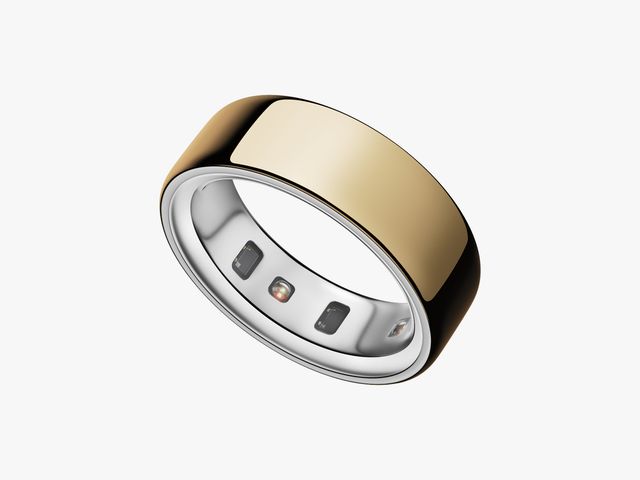
Best Sleep Trackers of 2026: Oura, Whoop, and Eight Sleep
The rise of sleep technology has created a paradox: the more we track our rest, the more elusive it becomes. As devices grow more sophisticated, offering real-time analysis and personalized recommendations, the very act of monitoring sleep can paradoxically disrupt it. This tension between data-driven insight and the natural rhythms of human rest is at the heart of the modern sleep tracker market, where brands like Oura, Whoop, and Eight Sleep are leading the charge with innovations that blur the line between health tool and behavioral coach.
The Shift from Passive to Prescriptive
Sleep trackers have evolved from simple data collectors to active participants in sleep hygiene. Devices like the Oura Ring 4, Whoop MG, and Eight Sleep Pod 5 now offer features such as AI-driven coaching, personalized bedtime recommendations, and adaptive temperature control. These capabilities are designed to help users form healthier sleep habits, but they also raise concerns about over-reliance on technology and the pressure to meet algorithmically generated expectations.
The Oura Ring 4 combines PPG sensors, temperature tracking, and 3D motion detection to provide detailed sleep metrics. The Whoop MG offers strain-based sleep recommendations and haptic wake-up alerts, though its screenless design can be inconvenient. The Eight Sleep Pod 5 uses smart temperature regulation and non-invasive sleep tracking to create a more natural sleep environment.
While these devices aim to simplify sleep optimization, the integration of AI coaching and subscription-based features can turn a simple tracking tool into a complex, sometimes overwhelming system.
The Comfort vs. Complexity Trade-Off
Despite the advanced features, user experience hinges on comfort and simplicity. The Oura Ring 4, for instance, is praised for its unobtrusive design, allowing users to sleep without distraction. The Whoop MG, while effective, has been criticized for its limited user interface and inconvenient wake-up process. Meanwhile, the Eight Sleep Pod 5 offers a hands-off approach, eliminating the need for wearable devices altogether.
However, the subscription models associated with these devices can be a barrier. The Oura Ring 4 requires a $6 monthly membership to access full health metrics, while Whoop's premium tier costs $359 per year to unlock advanced features. Eight Sleep’s Autopilot plan demands a 12-month commitment for its full feature set. These financial barriers may deter casual users or those seeking a more affordable option.
The Road Ahead: A More Integrated Future
As the market matures, the future of sleep tracking may lie in greater integration with other health systems and more intuitive user interfaces. We may see devices that not only track sleep but also coordinate with smart lights, ambient sound, and even smart thermostats to create a fully optimized sleep environment.
The challenge remains in balancing data-driven insights with natural sleep rhythms, ensuring that these tools enhance rather than undermine the very rest they aim to improve. With the right design and ethical implementation, sleep trackers could become more than just gadgets—they could be true partners in the pursuit of better health.