Wi-Fi Router vs. Mesh System: Which Is Best for You?
The increasing demand for seamless high-speed internet in homes with multiple devices and sprawling layouts has pushed the Wi-Fi router and mesh system debate to the forefront of consumer tech decisions. As more households rely on streaming, gaming, and smart home devices, the choice between a single Wi-Fi router and a mesh system is no longer a matter of preference but of performance and practicality.
What Is a Single Wi-Fi Router?
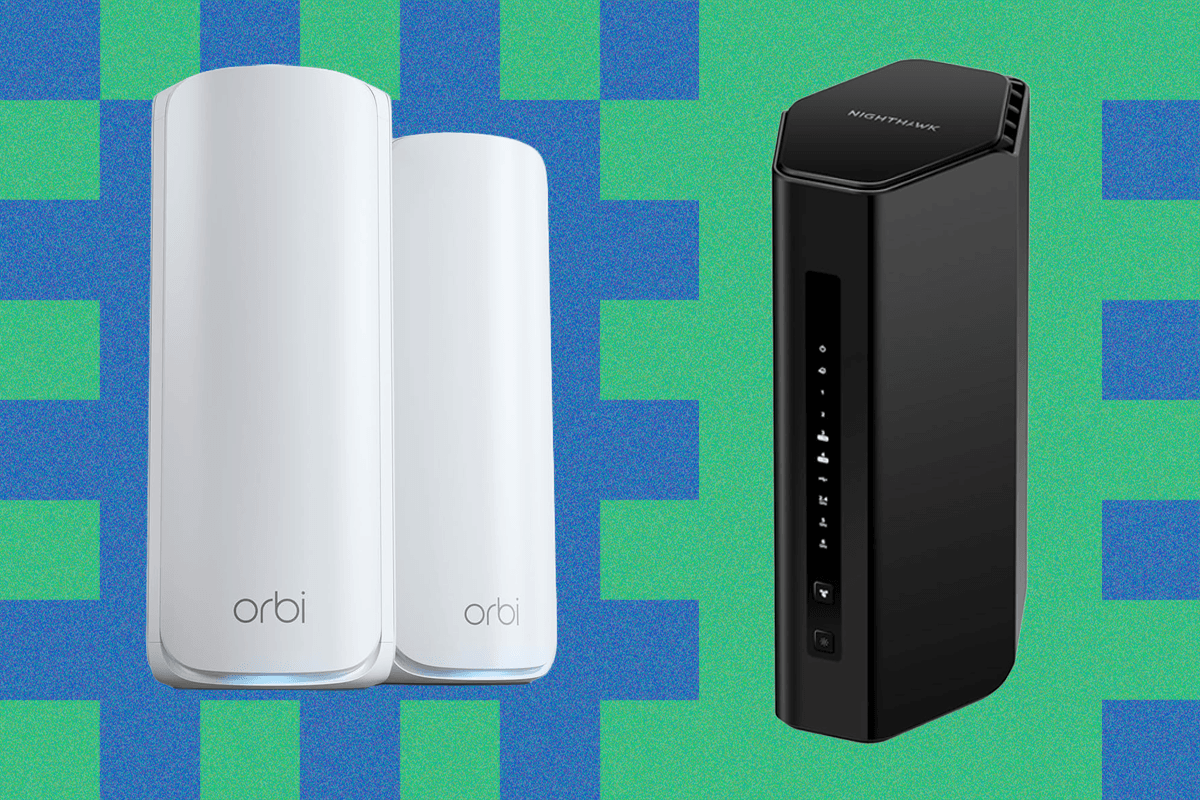
A single Wi-Fi router serves as the central point of your network, connecting your modem to your devices through either Ethernet or wireless signals. It's a straightforward solution that offers fast and stable connections, particularly in smaller spaces. In modern homes with open layouts and minimal obstructions, a single router can often cover the entire area without needing additional hardware.
Pros of a single router include lower cost, easier setup, and fewer devices to manage. However, its limited range and susceptibility to dead zones make it less effective in larger or older homes with thick walls or multiple floors.
What Is a Mesh Wi-Fi System?
A mesh Wi-Fi system is a multi-node setup that expands coverage by distributing the signal across several devices. The main router acts as the central hub, while additional nodes are placed strategically around the home to eliminate dead spots and ensure consistent connectivity. This system is especially beneficial for larger homes, multi-story buildings, or areas with interfering materials like concrete or metal.
Mesh systems offer wider coverage, scalable expansion, and the ability to connect devices via Ethernet even in distant rooms. However, they come with higher costs, complex installation, and potential bandwidth limitations when nodes connect wirelessly instead of via Ethernet backhaul.
Should You Choose a Router or a Mesh System?
The decision between a single router and a mesh system hinges on your home's size, layout, and usage patterns. For a small to medium-sized home with minimal obstructions, a single router may be more than enough. It delivers faster speeds, simpler configuration, and fewer points of failure.
In contrast, a mesh system is ideal for larger homes, older structures, or those with extensive smart home integration. It ensures consistent coverage and reliable connections across multiple rooms and even outdoor spaces. However, it's important to consider the additional cost, setup complexity, and the potential for reduced performance in wireless backhaul scenarios.
Consider a single router if your home is under 2,500 sq ft and has open spaces.
Opt for a mesh system if you have thick walls, more than one floor, or need coverage in areas like a garden or basement.
Mesh systems may not be worth it if your router can already provide full coverage with proper placement and optimization.
What About Wi-Fi Extenders?
Despite their popularity, Wi-Fi extenders are generally outperformed by both routers and mesh systems. They often suffer from signal degradation, latency issues, and inconsistent performance. Extenders can create interference and slow down your network, making them a less desirable option unless absolutely necessary.
What About Ethernet?
For unmatched speed and reliability, Ethernet cables remain the gold standard. Running Cat6 or Cat7 Ethernet cables can provide a stable connection with minimal latency, which is especially important for gaming, streaming, and smart home devices. Even in a mesh system, using Ethernet for backhaul between the main router and nodes significantly improves performance and reduces interference.
What About Powerline Adapters?
Powerline adapters offer an alternative to Wi-Fi by using your home's electrical wiring to transmit internet signals. While they can be useful for problem areas like basements or distant rooms, their performance is variable and often underwhelming compared to Ethernet or mesh systems.
They are inexpensive and easy to install, but:
- Speeds are limited, typically ranging from 50–300 Mbps, and
- Interference from appliances can cause latency spikes, making them unsuitable for gaming or high-demand applications.
What About MoCA (Multimedia Over Coax Alliance) Adapters?
MoCA adapters utilize existing coaxial cables to deliver high-speed internet, often achieving faster speeds than powerline adapters. This makes them a good option for homes with cable TV infrastructure, especially for streaming or multi-room audio setups.
However, MoCA requires existing coaxial wiring, which may not be present in all homes. It also demands specific hardware and can be more complex to set up than other alternatives. For homes with outdated wiring, the cost and effort may outweigh the benefits.
Closing Verdict
As homes grow in size and complexity, the choice between a single router and a mesh system is more critical than ever. While single routers offer cost-effective, simple solutions for smaller spaces, mesh systems are essential for larger, multi-story homes or those with obstructive building materials.
For the best performance, Ethernet backhaul in a mesh system or strategic router placement in a single-router setup can make a significant difference. As technology advances, mesh systems are likely to become more efficient and affordable, but for now, the right choice depends on your specific home environment and usage needs.